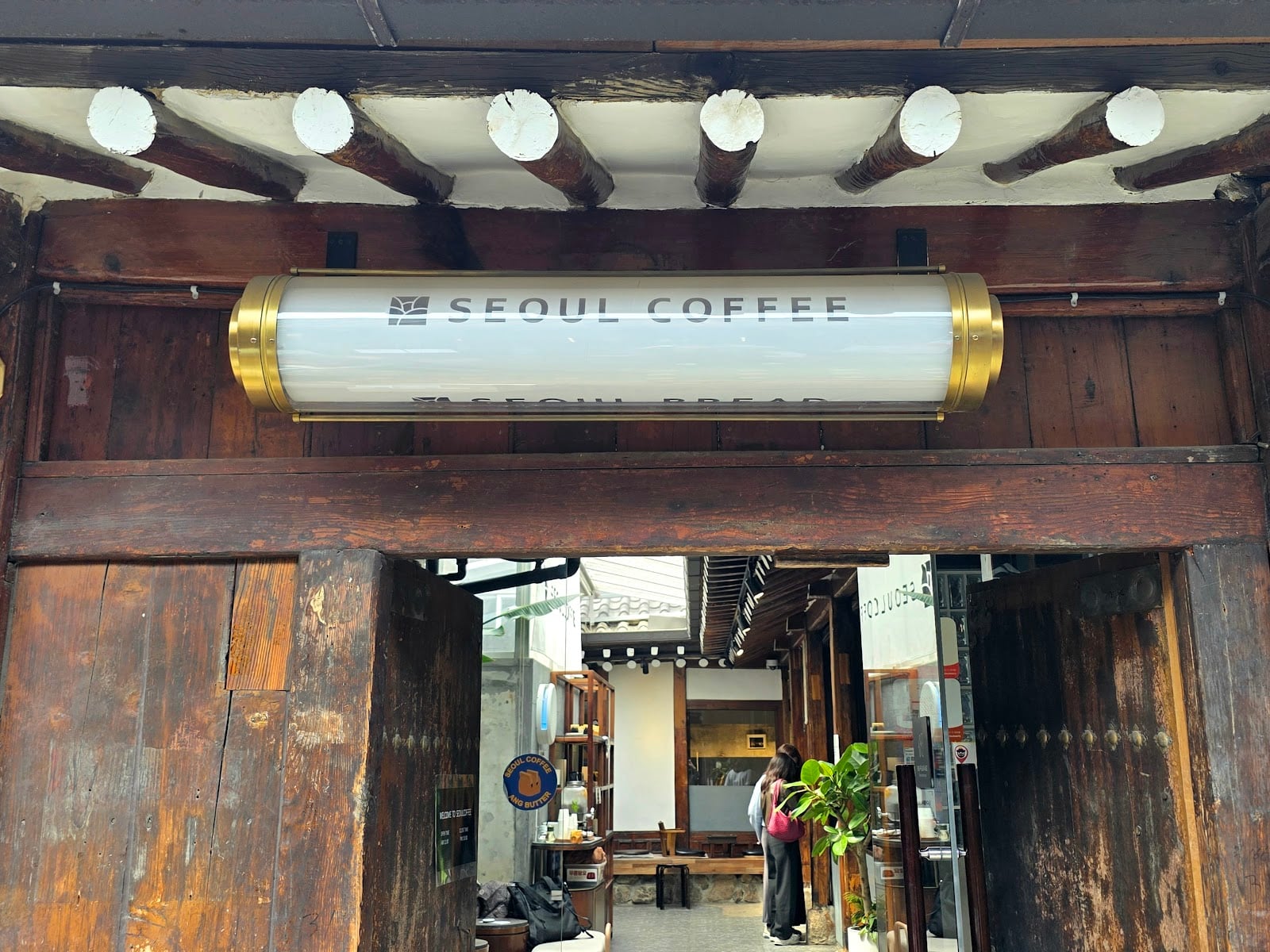
Seoul: Night Markets, Cafes & Design
 Min-jun Park
 Overview
Seoul pulses with a restless creative energy that spills from centuries-old hanok alleys into gleaming design galleries open past midnight. The city's specialty coffee wave has transformed neighborhoods like Seongsu-dong — once a cobbler's district, now a canvas of industrial-chic cafes and concept stores — into a pilgrimage site for anyone who takes their flat white seriously. At Gwangjang Market, vendors ladle bindaetteok batter onto sizzling griddles while the steam rises into neon-washed air, a scene unchanged in its soul despite the crowds of curious food lovers pressing in from every direction. Bukchon Hanok Village offers a different kind of Seoul entirely: tiled rooftops cascading down hillsides in the early morning light, the hush of stone-paved lanes where the 21st century feels temporarily suspended. From the sweeping curves of Dongdaemun Design Plaza at midnight to the pojangmacha tents glowing amber on the Han River banks, Seoul is a city that refuses to sleep — and rewards those who stay awake with it.
Map
20 pinned placesFeatured Places
Discover the best spots in this carefully curated guide. Each location has been personally visited and vetted to ensure an authentic and memorable experience.
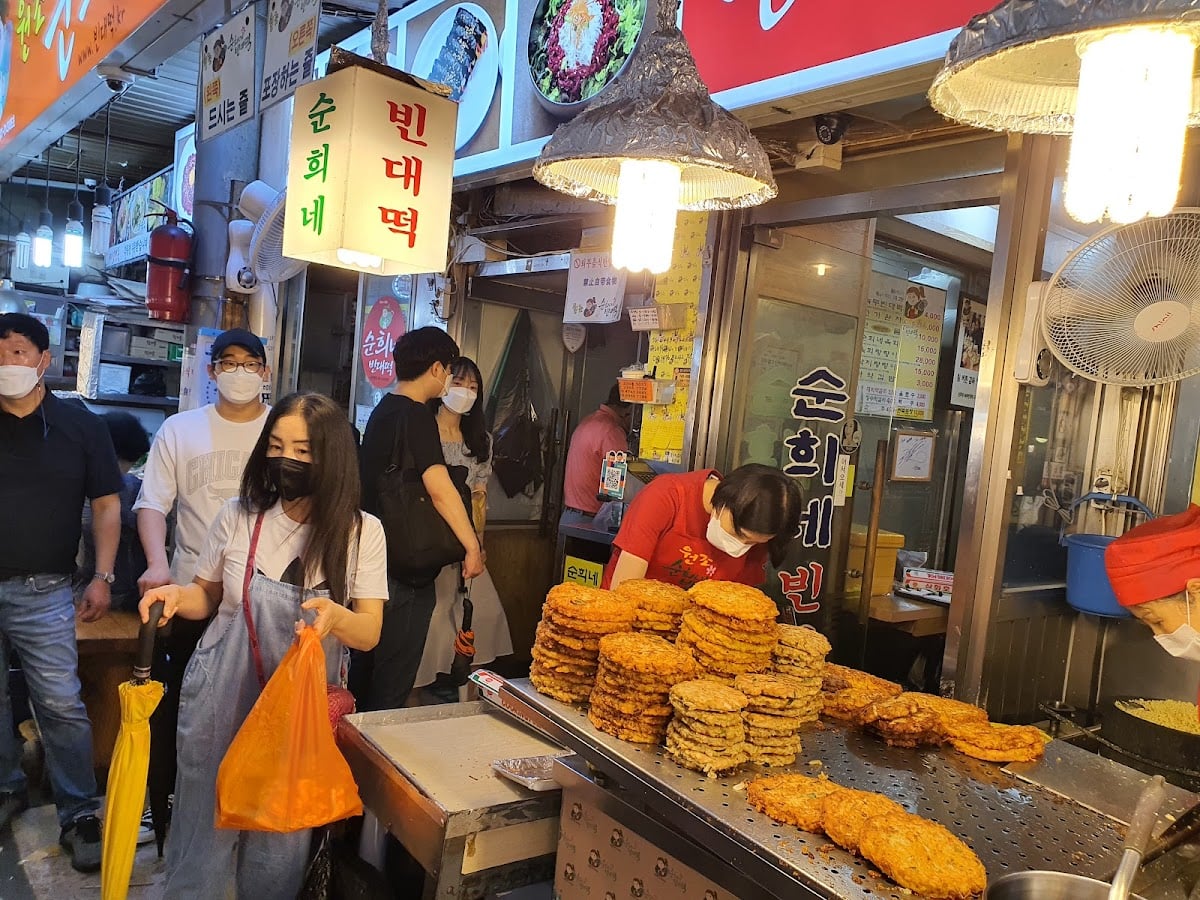
Gwangjang Market
Gwangjang is Seoul's oldest and most viscerally alive market, a covered labyrinth of stalls that has been feeding the city since 1905. The moment you duck under the canvas awnings, the air thickens with the scent of sesame oil and hot iron griddles. Haenyeo-style vendors in rubber aprons flip bindaetteok — mung bean pancakes — with practiced wrists, the batter hissing and crisping at the edges to golden perfection. At the yukhoe stalls, raw beef is hand-shredded and tossed with pear, sesame, and egg yolk, a dish that demands you lean in and eat it immediately, without hesitation. Makgeolli flows freely here, poured from ancient-looking aluminum kettles into shallow bowls, its slight fizz cutting through the richness of everything on the table. Go at lunch when the market roars with energy, or visit late afternoon when the stall owners settle into a quieter rhythm and are happy to chat. This is the Seoul that exists beneath every Instagram filter — loud, generous, and completely itself.
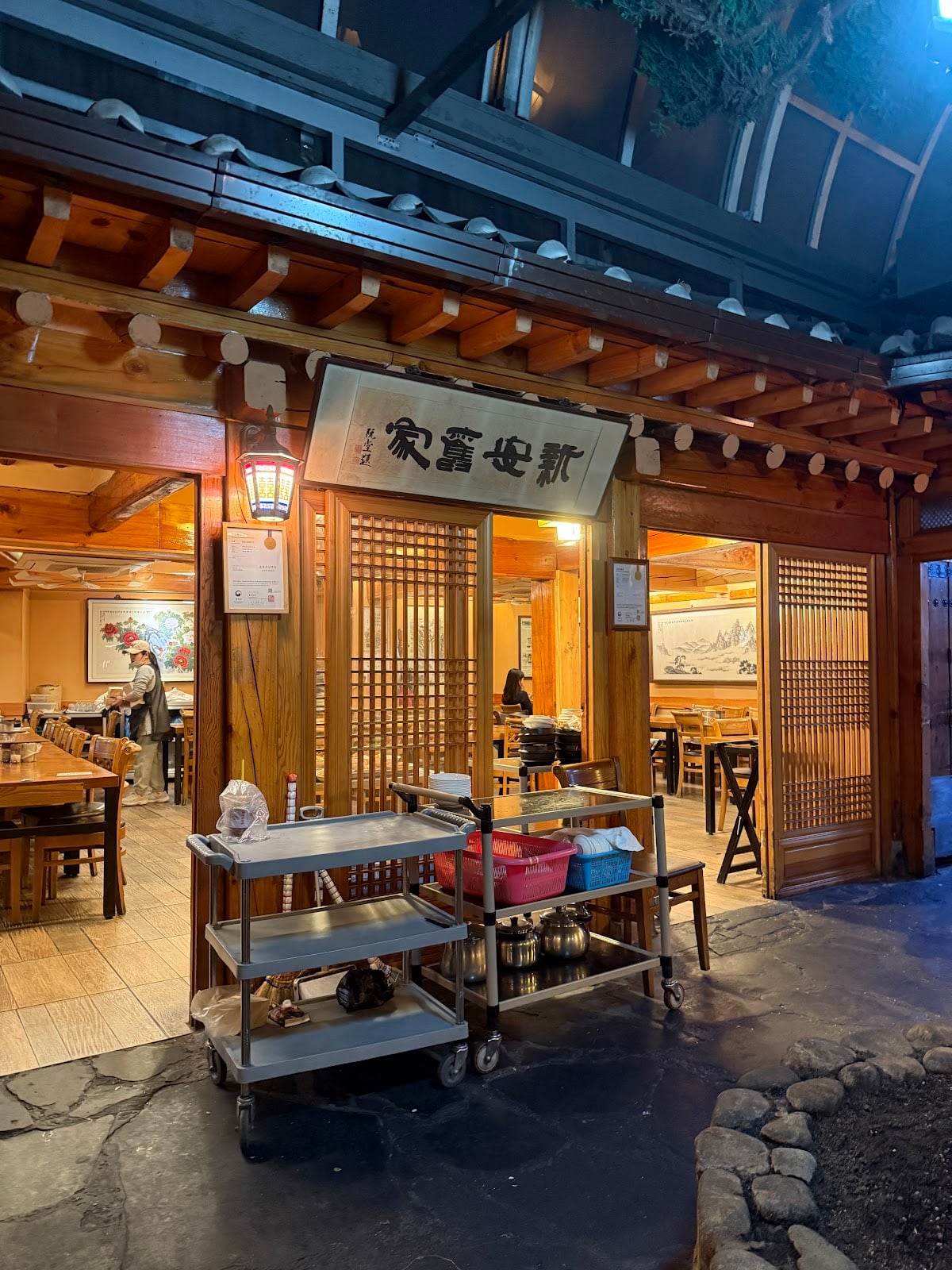
Tosokchon Samgyetang
On a narrow lane near Gyeongbokgung Palace, Tosokchon has been serving the same dish for decades: a whole young chicken, stuffed with glutinous rice, ginseng, jujube, and garlic, then simmered in broth until the meat falls from the bone at the slightest touch. The restaurant occupies a converted hanok, its low wooden beams and inner courtyard giving the meal a ceremonial quality that feels entirely fitting. The broth arrives in a stone pot, still bubbling at the surface, pale gold and impossibly fragrant — the kind of soup that makes you feel you are being healed from the inside. Tear the chicken apart with the provided tongs, season the broth with the accompanying salt and pepper, and eat slowly, with purpose. Koreans traditionally eat samgyetang in summer to restore the body's energy, a concept called iyeol chiyeol — fighting heat with heat — but it is transcendent in every season. The queue can stretch around the block, especially on weekends; arrive before 11am or accept the wait as part of the ritual.
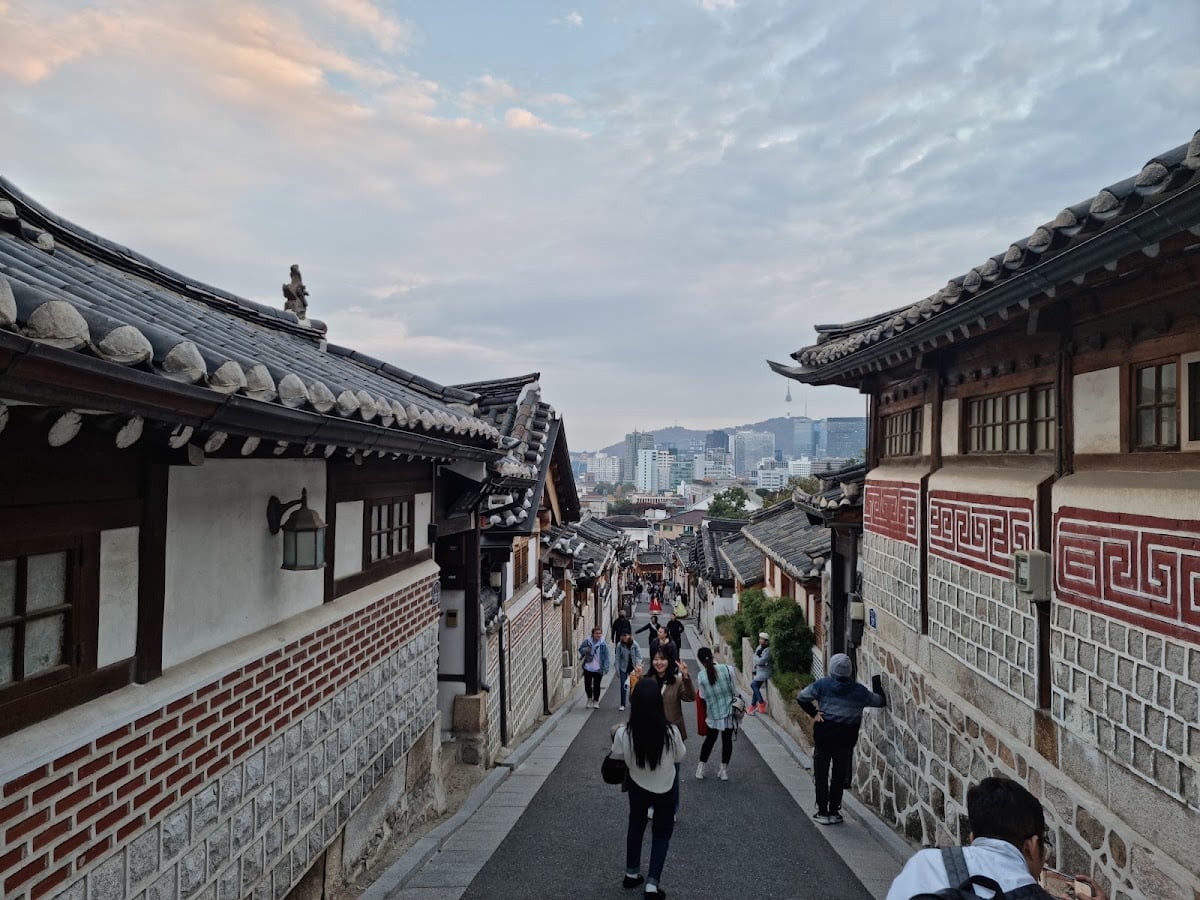
Bukchon Hanok Village Morning Walk
Bukchon is best experienced in the grey half-light before the city wakes, when the stone alleyways are empty and the tiled rooftops gleam with dew. The village sits on a hillside between two palaces — Gyeongbokgung and Changdeokgung — and its geometry of curved eaves and whitewashed walls has barely changed since the Joseon Dynasty. Walk slowly up Gahoe-ro 11-gil and pause at the famous viewpoint where the rooftops cascade downward in overlapping waves toward the glass towers of Gangnam in the distance: the two Seouls in a single frame. The silence is punctuated only by the distant clatter of a shutter or the soft tread of a monk crossing a courtyard. Several of the hanok have been converted into guesthouses, tea houses, and small workshops where artisans practice hanji papermaking or ottchil lacquerwork. By 9am the tour groups begin to arrive, but for those first golden hours, the village belongs entirely to itself and to anyone patient enough to meet it on its own terms.
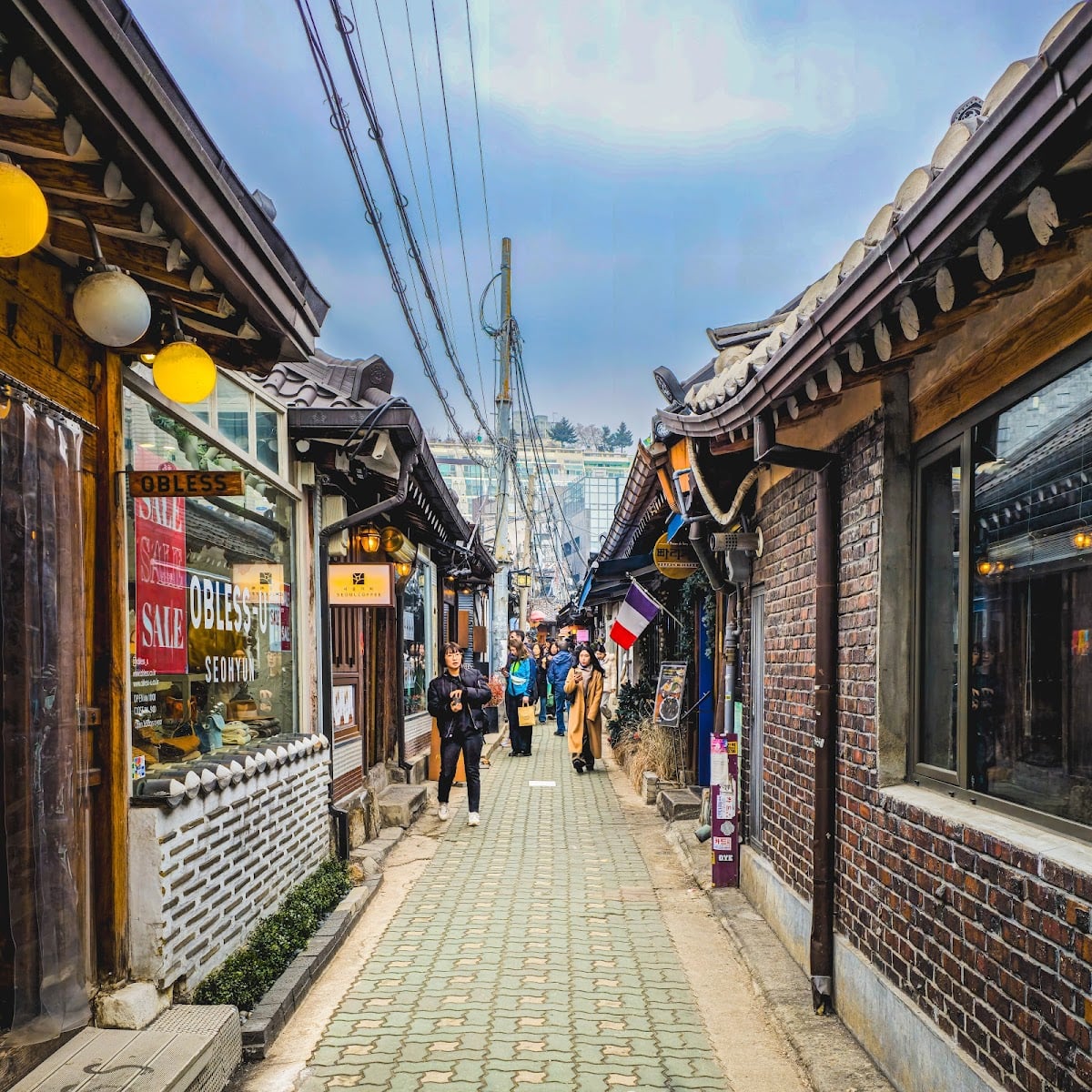
Ikseon-dong Hanok Alley Cafes
Ikseon-dong is what happens when a 1930s hanok neighborhood refuses to be demolished and instead reinvents itself one coffee cup at a time. The alleys here are barely wide enough for two people to pass, and every other doorway opens into a cafe, a cocktail bar, or a gallery tucked inside a restored traditional house. The contrast is deliberately jarring and entirely seductive: concrete floors poured over earthen ones, Edison bulbs hanging from wooden rafters, latte art served in celadon-glazed cups. In the evening the lanes fill with young Seoulites dressed with the city's characteristic precision — immaculate in pastel knits and vintage denim — moving from one warmly lit room to the next. Try the sikhye (sweet rice punch) at one of the traditional tea houses, or sit at a window counter with an Americano and watch the alley life unspool outside. The neighborhood was almost razed for redevelopment in the 2010s; its survival feels like a minor miracle worth celebrating with every visit.
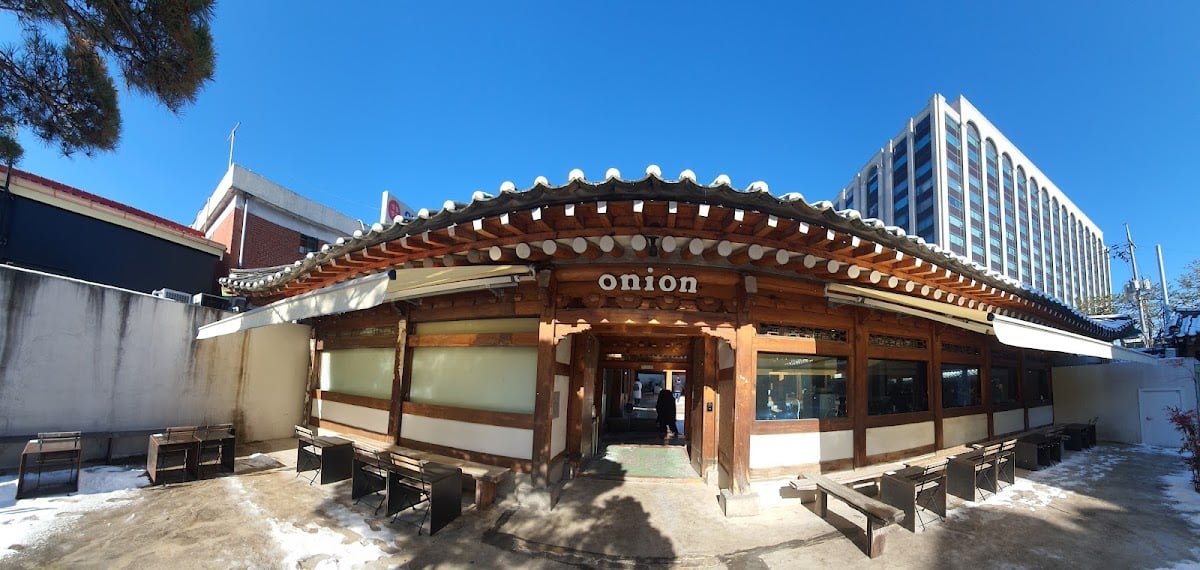
Cafe Onion Anguk
Cafe Onion's Anguk flagship occupies a renovated 1960s house that feels like the platonic ideal of the Seoul cafe aesthetic: exposed concrete, raw timber, and a courtyard garden where the light falls just so at every hour of the day. The pastries here — butter croissants, cruffins glazed with caramel, oversized cream-filled buns called soboro — are baked in-house and sell out with alarming speed, so arriving early is less a suggestion than a commandment. The coffee program is equally serious, with single-origin pour-overs brewed to order by baristas who treat each cup as a small performance. Spread across multiple floors and a rooftop terrace overlooking the hanok rooflines of Bukchon, the space never feels crowded even when it is, partly because the architecture creates pockets of privacy at every turn. Weekends bring queues that coil around the block, which tells you everything you need to know about Cafe Onion's status in Seoul's hierarchy of great cafes. This is not just coffee; it is a statement about what a city can be when it decides to take beauty seriously.
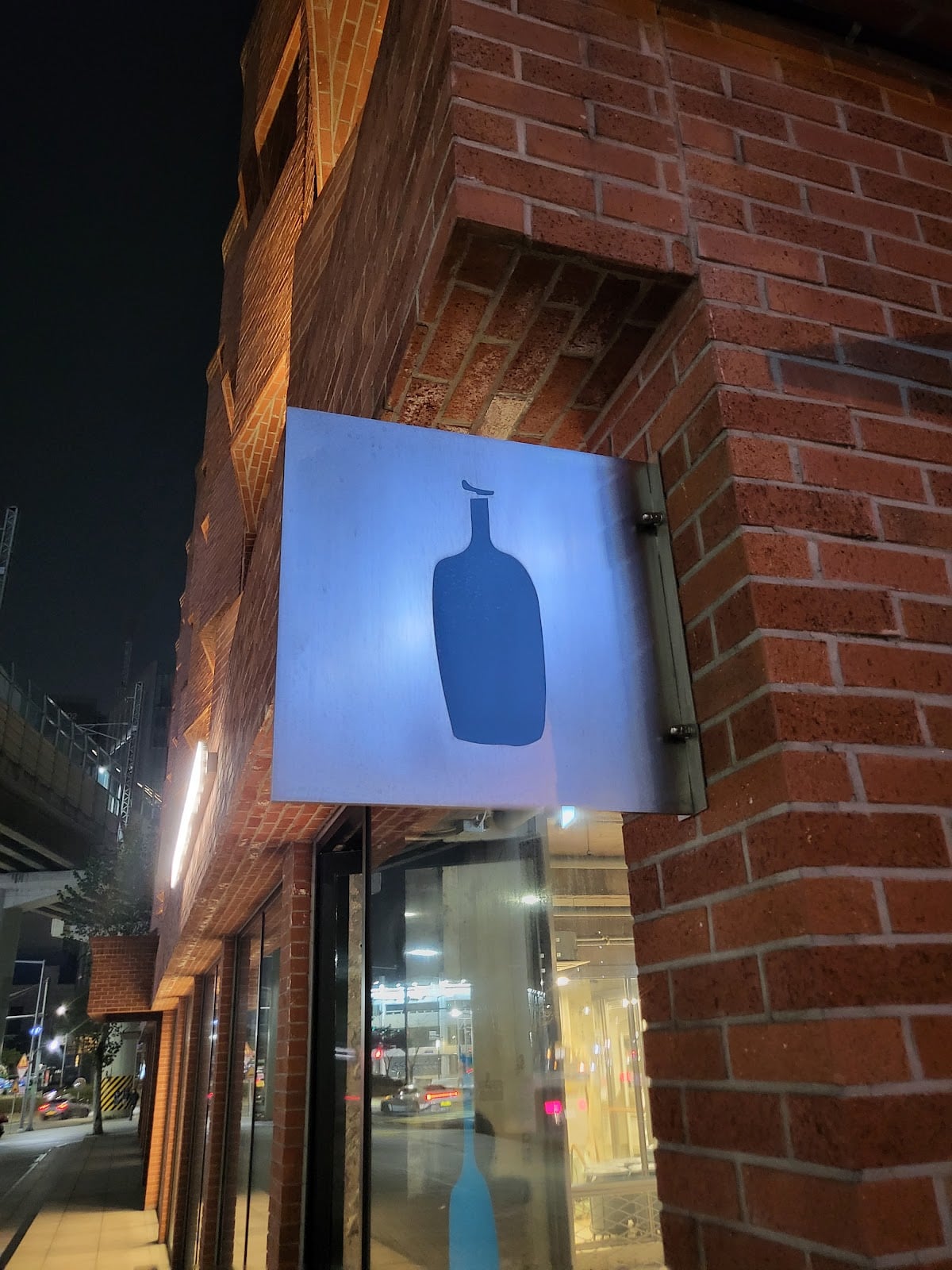
Blue Bottle Coffee Seongsu
Blue Bottle's Seongsu outpost is housed in a former factory building whose bones — iron trusses, concrete columns, a sawtooth roof flooding the interior with northern light — have been left almost entirely intact, a gesture of architectural respect that the cafe wears with quiet confidence. The menu follows the Blue Bottle formula of clarity and restraint: a short list of exceptional espresso and filter options, sourced from farms the company knows by name. But what makes this location distinct is its dialogue with the Seongsu neighborhood around it — the same industrial heritage, the same commitment to craft executed at the highest level. Order the New Orleans-style iced coffee, a cold brew concentrate sweetened with chicory, then find a stool by the floor-to-ceiling windows and watch the neighborhood's parade of designers, architects, and sneaker collectors drift past. The space fills by mid-morning and stays busy until closing, functioning as much as a meeting point for Seongsu's creative community as it does a place to drink excellent coffee.
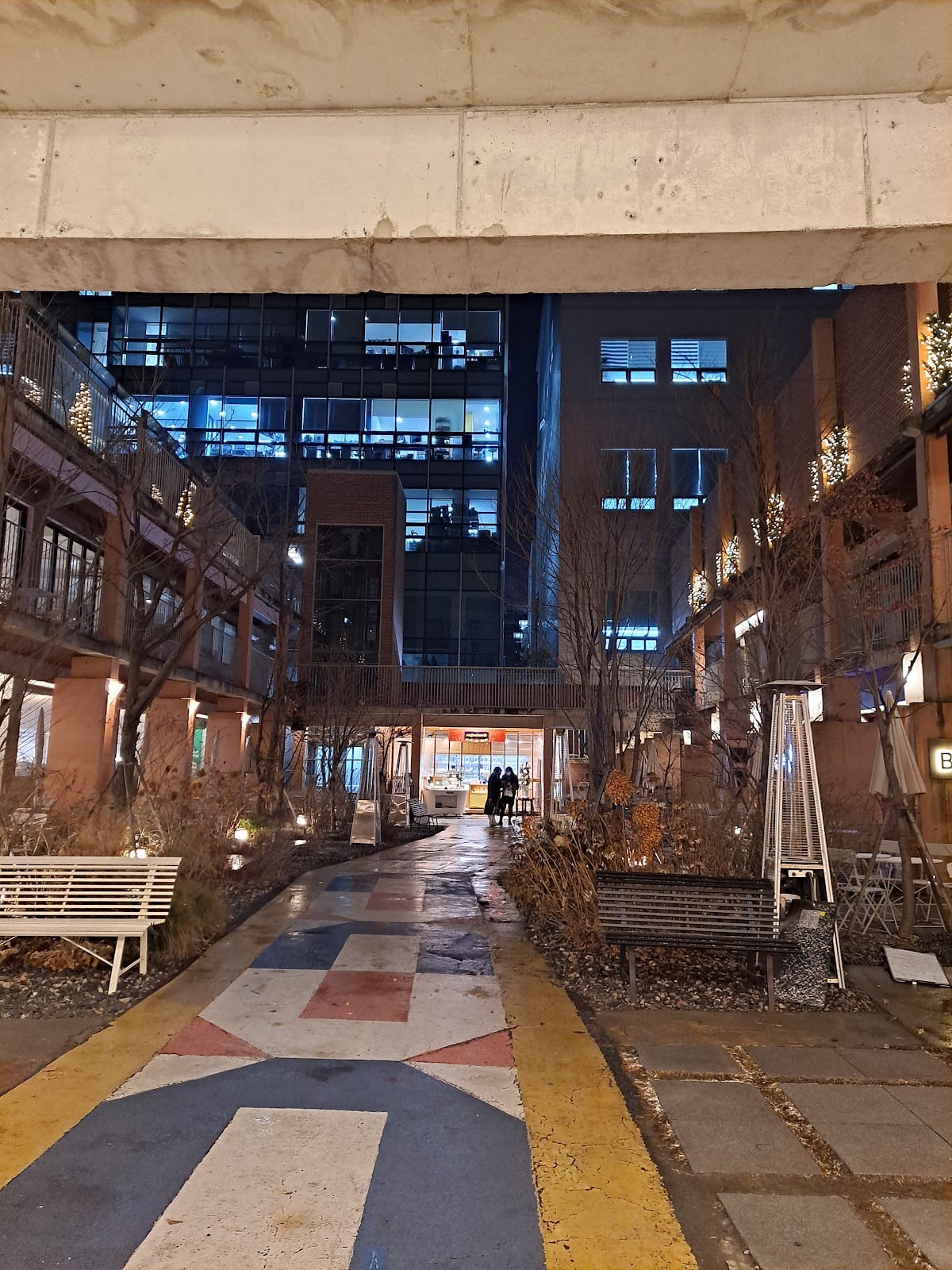
Seongsu-dong Design District Walk
Seongsu-dong spent decades making shoes — this eastern Seoul neighborhood was the heartland of Korea's leather goods industry, and the wide-shuttered workshops and loading docks are still there if you know where to look. What changed, beginning around 2015, was that artists and designers began moving into those same spaces, attracted by low rents and high ceilings, and the neighborhood quietly transformed into Seoul's answer to Brooklyn or Shoreditch. Walk along Yeonmujeong-gil and Seongsu-il-ro to find concept stores selling handmade ceramics alongside vintage Levi's, galleries occupying old tanneries, and pop-up restaurants that materialize for a month then dissolve back into the rumour that spawned them. The energy is entrepreneurial and collaborative — Seoul's young creatives are here not just to sell things but to build something, a community of making. Come on a weekend afternoon when everything is open, wear comfortable shoes, and plan to spend more time than you intended.
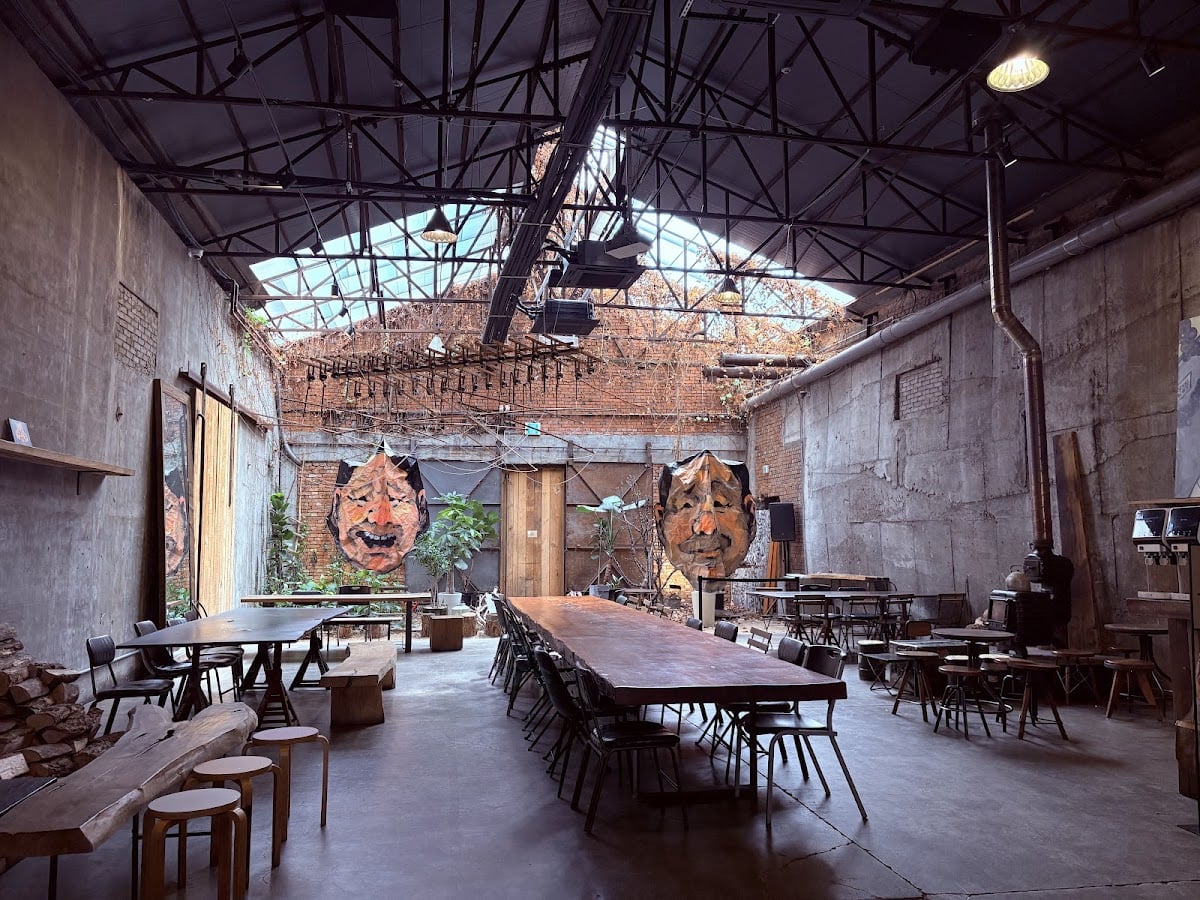
Daelim Warehouse
Daelim Warehouse is Seongsu-dong's anchor cultural institution, a former oil storage facility repurposed into a raw, cavernous art space that seems to exist slightly outside normal architectural logic. The building retains its industrial bones — riveted steel walls, concrete aprons, the faint ghost of petroleum in the air on warm days — while hosting exhibitions of contemporary Korean and international art that range from the quietly contemplative to the deliberately overwhelming. The space itself is the argument: that art does not need a white cube to breathe, that it can live in grit and rust and peeling paint and be more honest for it. Programming shifts seasonally, but the permanent collection of works by Korean artists anchors every visit. The attached cafe in the loading bay serves decent coffee and has the best industrial-chic seating in the neighborhood. Arrive with time to sit and think after your visit; Daelim has a way of leaving residue in the mind that needs room to settle.
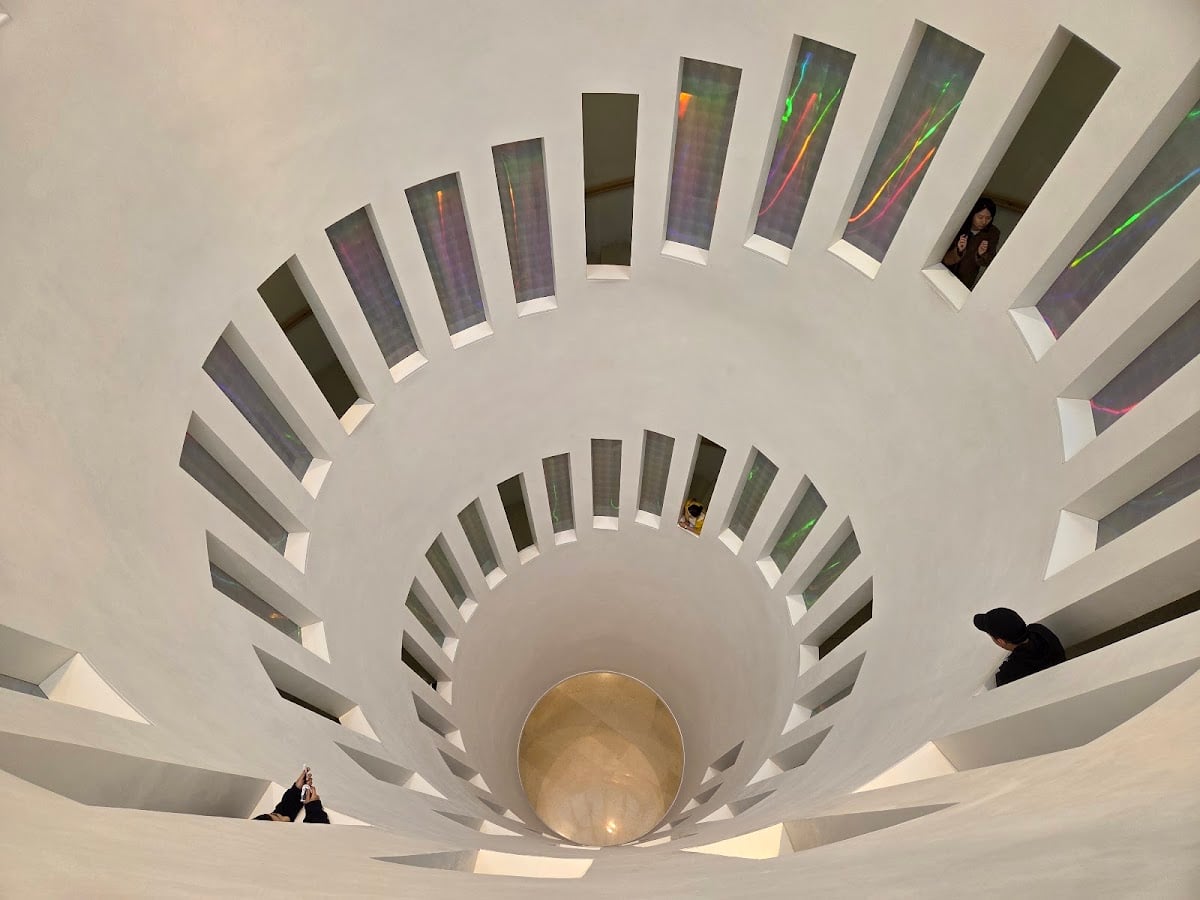
Leeum Samsung Museum of Art
Leeum sits on a hillside in Hannam-dong behind a triptych of buildings designed by Mario Botta, Jean Nouvel, and Rem Koolhaas — a curatorial flex of architectural ambition that the museum wears without apparent effort. Inside, the permanent collection moves with elegant logic from Goryeo celadon and Joseon white porcelain through to Lee Ufan's monochromes and Do Ho Suh's diaphanous fabric sculptures, mapping a continuous thread between Korean antiquity and its contemporary art scene. The building by Botta houses the historic collection; Nouvel's stainless steel tower contains the modern and contemporary works; and Koolhaas's floating black box hosts temporary exhibitions that tend toward the conceptually ambitious. The garden connecting them is itself a sculpture park, with works by Calder, Serra, and Korean artists integrated into the hillside plantings. Plan two hours minimum, dress in layers because the temperature varies between galleries, and do not skip the gift shop, which stocks the best art books in Seoul.
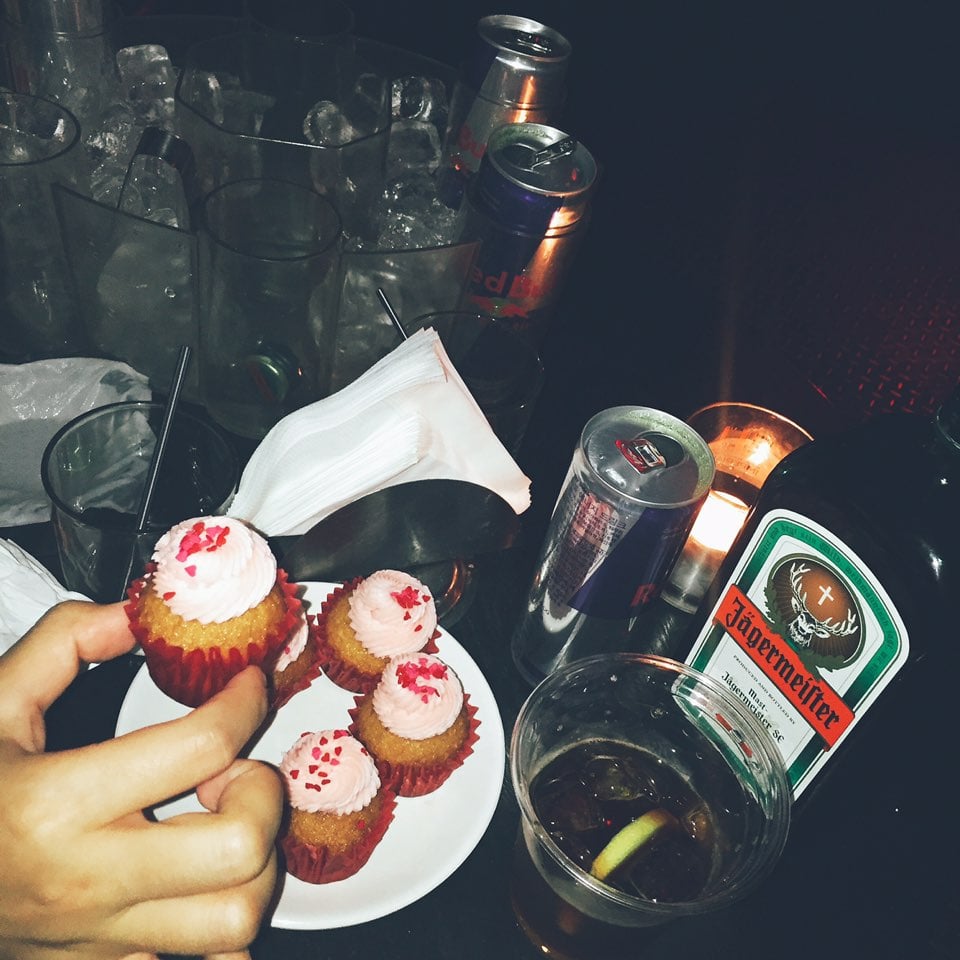
Cakeshop Seoul
Cakeshop is the bar that defined Itaewon's transformation from a GI-era red-light strip into one of Asia's genuinely interesting nightlife districts, and it has been doing so with remarkable consistency since it opened in the basement of a nondescript building on Itaewon-ro. The space is dark, deliberately so, with exposed pipes overhead and a sound system that rewards the bass frequencies of whatever the resident DJ is playing. The cocktail list is short and precisely executed — Korean spirits like soju and makgeolli elevated with fresh citrus and house-made bitters — alongside a selection of natural wines and imported craft beers for those who want to pace themselves. The crowd is cosmopolitan by Seoul standards: designers from Seongsu, musicians, visiting editors, expats who have been here long enough to have opinions about the sound system. Arrive after midnight if you want the real version; earlier than that and it is merely a very good bar. This is Seoul after hours, serious about pleasure.
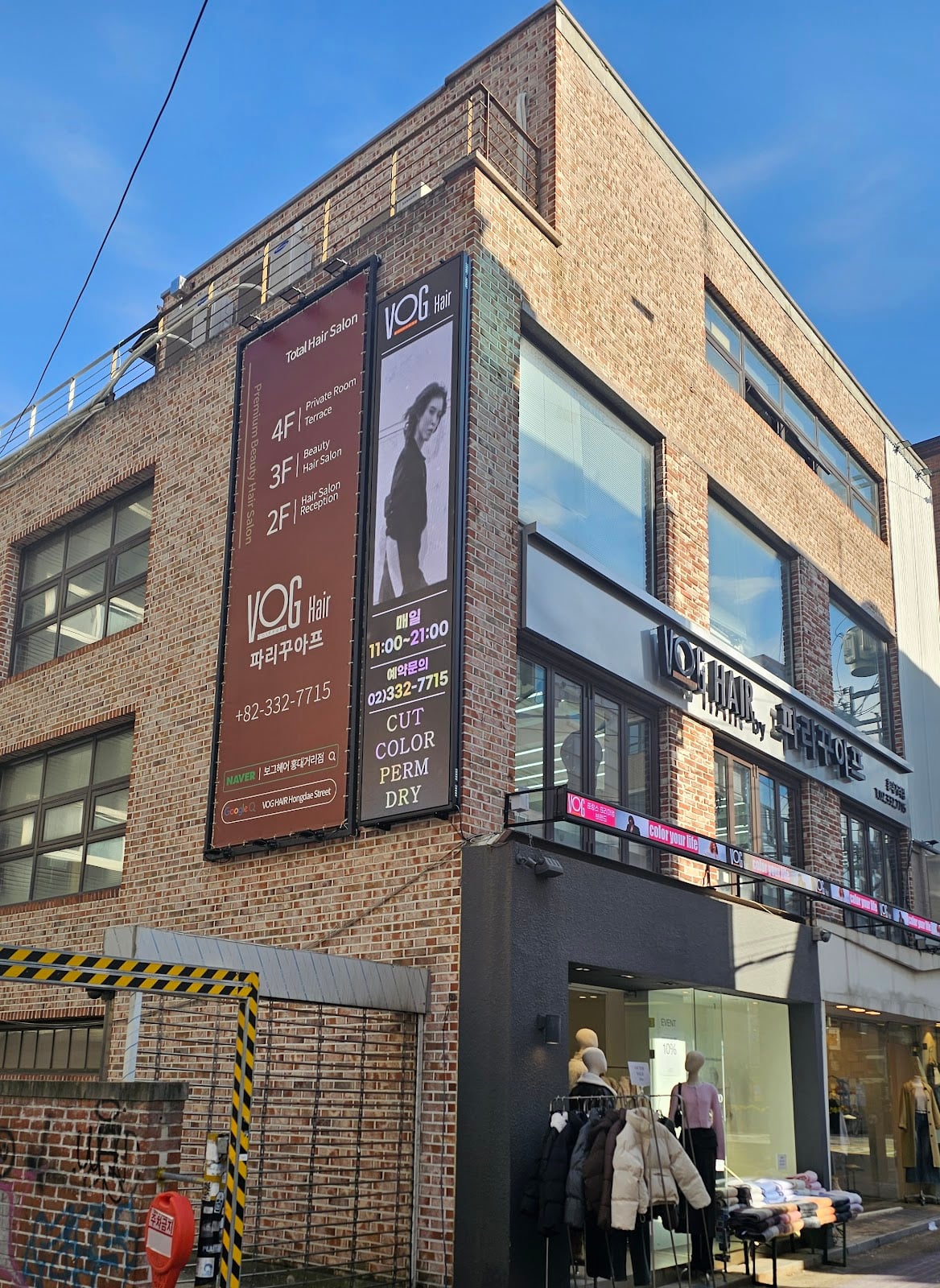
Hongdae Street Performance Area
Hongdae — the neighborhood that grew up around Hongik University's fine arts faculty — is where Seoul's counterculture has been conducting its ongoing experiment for three decades, and the outdoor performance area near the park remains its most democratic stage. On weekend afternoons, the broad pedestrian plaza fills with buskers ranging from classically trained pianists playing upright keyboards to b-boy crews executing routines that stop foot traffic in both directions. The surrounding streets form a dense ecology of indie music venues, streetwear shops, takoyaki stalls, and the kind of cafes that take their playlist as seriously as their beans. Duck into Cafe Bora, famous for its charcoal soft-serve cones in inky greys and blues, or find your way to one of the many unnamed coffee roasters that thrive here on local loyalty rather than social media fame. Hongdae is noisier and younger and less curated than Seongsu, and that roughness is entirely the point — this is where Seoul comes to be unpolished.
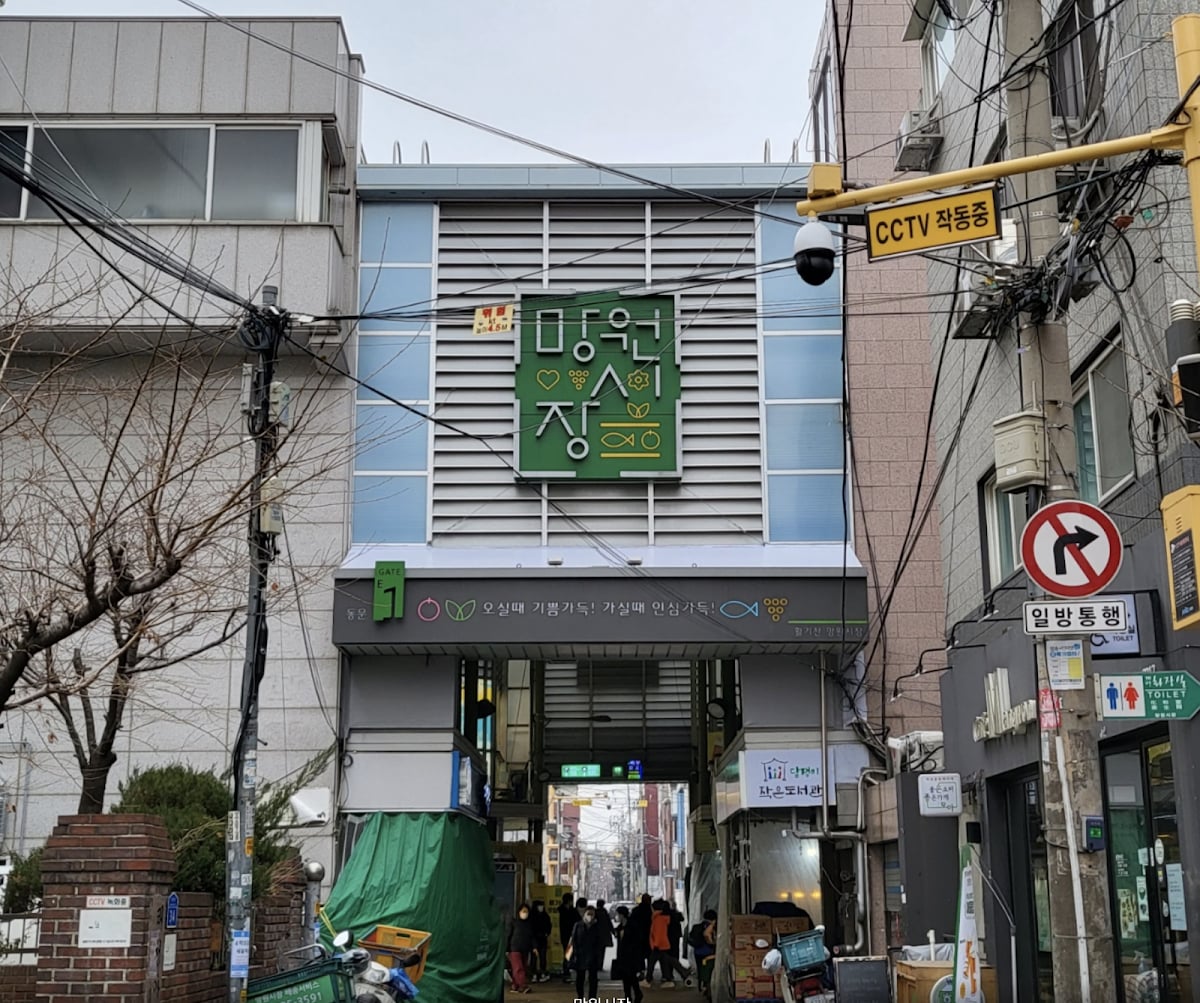
Mangwon Market Saturday Market
Mangwon's permanent covered market is a proper neighborhood institution — produce vendors, banchan stalls, and tteok shops that have been serving the same families for generations — but what transforms it on Saturday mornings is the weekend market that sets up in and around the main building, drawing young food entrepreneurs who sell things like artisan kimchi aged in clay pots, sesame cold noodles in biodegradable cups, and hand-poured soy candles shaped like Korean housewares. The atmosphere is relaxed in a way that distinguishes Mangwon from the more tourist-heavy markets: people come here with reusable bags and local knowledge, greeting vendors by name, tasting before buying. The Han River is a ten-minute walk away, making it easy to assemble a market picnic and carry it to the water. Arrive by 10am if you want the best selection of the pop-up stalls; by noon many have sold out and begun packing up, which is itself a useful indicator of quality.
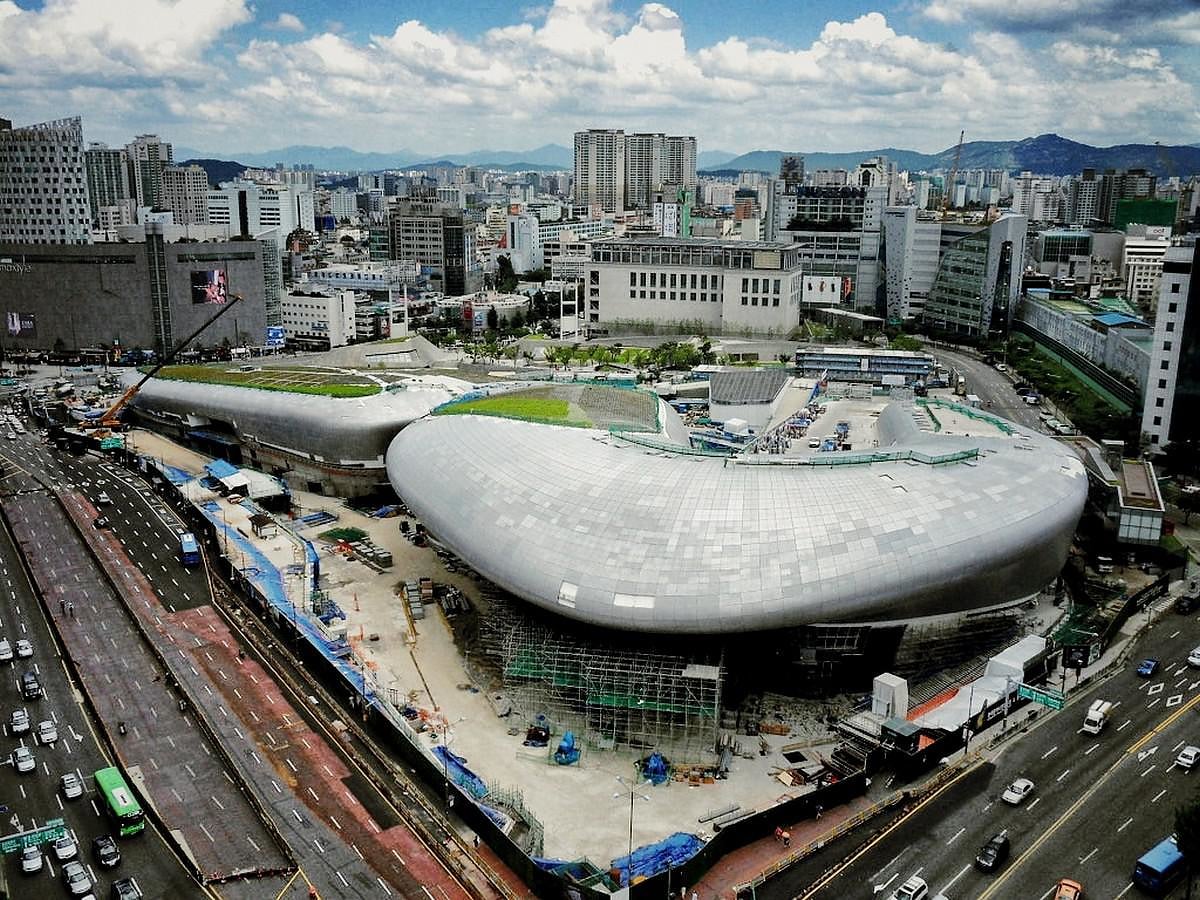
Dongdaemun Design Plaza at Night
Zaha Hadid's Dongdaemun Design Plaza is Seoul's most audacious architectural statement, a blob of 45,133 aluminum panels that ripples across a full city block like something dreamed rather than engineered, and it is emphatically best experienced at night when the structure is illuminated and the crowds have thinned enough to let its strangeness breathe. The building houses a design museum, an art hall, a library of design resources, and a sprawling basement marketplace, but these are almost secondary to the building itself — a curved landscape with no straight lines, no corners, no apology for its refusal to be ordinary. Walk the elevated plaza on the roof, where the aluminum skin undulates underfoot and the skyline of eastern Seoul opens in every direction. The surrounding Dongdaemun district hums with fashion wholesale activity well past midnight — entire buildings of textile merchants and pattern makers who keep peculiar hours — making the DDP the centrepiece of a genuinely nocturnal neighbourhood.
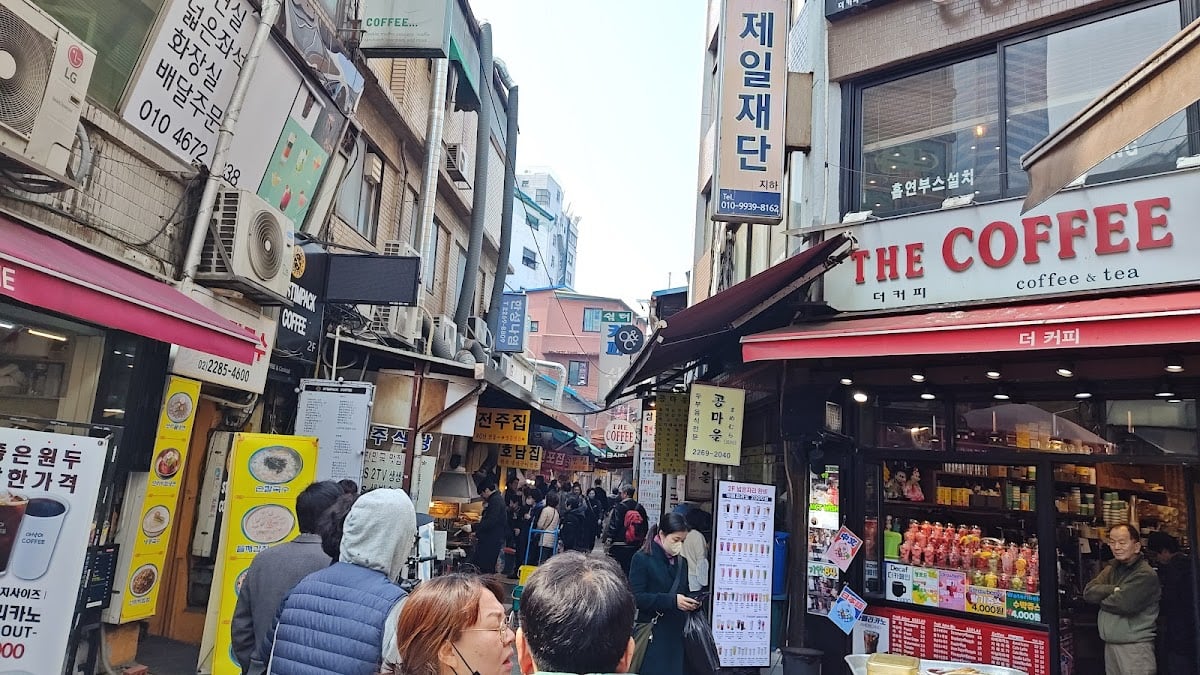
Dongdaemun Night Market Textile Shopping
The wholesale textile markets of Dongdaemun operate on a schedule that is the photographic negative of ordinary commerce: they close in the morning, open at dusk, and reach peak activity somewhere around 2am, when buyers from fashion labels across Asia descend on the stalls to source fabrics, buttons, zippers, and notions in quantities from a single meter to a shipping container. For the non-professional visitor, the experience is disorienting in the best possible way — a warren of covered passages lined with bolts of silk, linen, synthetic jacquard, and embroidered cotton stacked floor to ceiling, the vendors dealing in a rapid-fire shorthand of price and quantity. Bring cash, bring patience, and bring a clear idea of what you are looking for because the scale of choice is initially paralysing. The surrounding streets are equally alive at this hour, with pojangmacha tents selling soju and fried snacks to the workers and buyers fuelling the economy of fabric.
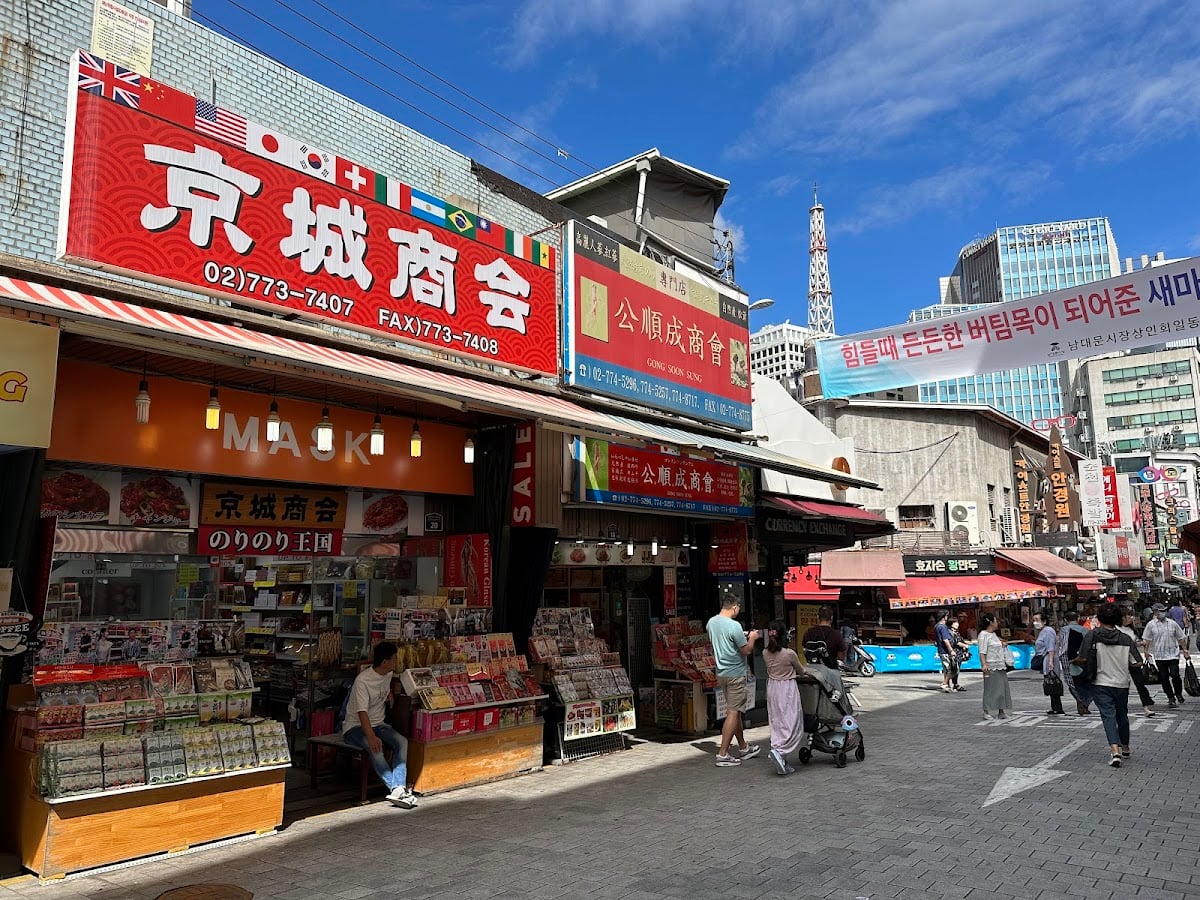
Namdaemun Market at Dawn
Namdaemun is Seoul's oldest and largest traditional market — over 600 years of continuous commerce on these same streets — and it earns its reputation most emphatically in the hours before sunrise, when delivery trucks angle into impossible spaces and wholesale buyers from restaurants and food stalls across the city conduct their shopping with practiced urgency. The market sells everything: eyeglasses, kitchen equipment, ginseng root wrapped in newspaper, children's clothing in industrial quantities, and street food that begins trading at 4am to serve the porters and traders. The gimbap here — seaweed rice rolls prepared fresh and sold for almost nothing — is some of the best in Seoul, eaten standing up at a makeshift counter while the city slowly lightens around you. The great South Gate, Sungnyemun, stands at the market's edge, a wooden pavilion of dynastic Seoul that survived Japanese occupation and 20th century demolitions before a devastating arson in 2008 and a meticulous reconstruction that restored it fully by 2013.
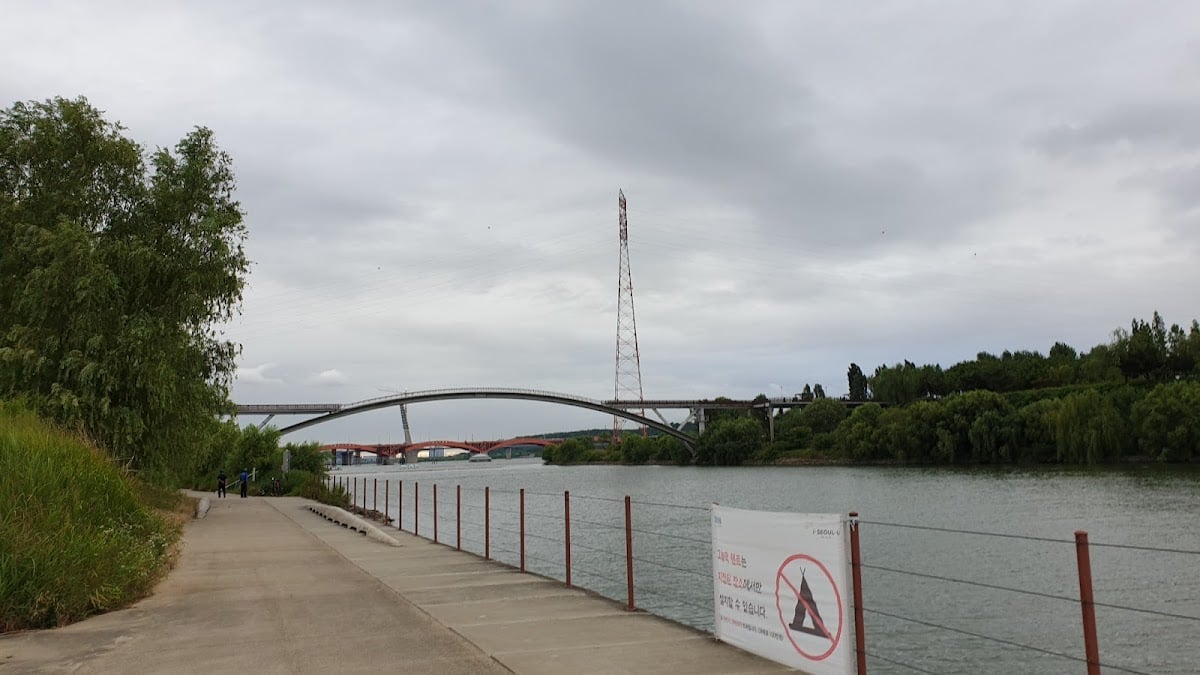
Hangang River Park at Sunset
The Han River cuts through Seoul's middle like a hyphen between its northern and southern selves, and its parks — a continuous green ribbon of cycling paths, football pitches, and open-air stages administered with the civic pride of a national monument — are where the city exhales. At sunset, the embankment near Yeouido fills with what feels like all of Seoul simultaneously: teenagers on rental bikes, couples spreading foil-wrapped chicken and convenience store wine on picnic mats, older men fishing with rods that reach improbably far over the grey water. The light at dusk is spectacular here because the river is wide enough to give the sky room to perform, orange dissolving into purple over the dark smudge of Bukhansan to the north. Find a spot on the grass at Yeouido Hangang Park, order chimaek — fried chicken and beer — via one of the app-based delivery services that will find you anywhere in the park, and watch the city's skyline turn gold then silver as the boats drift past.
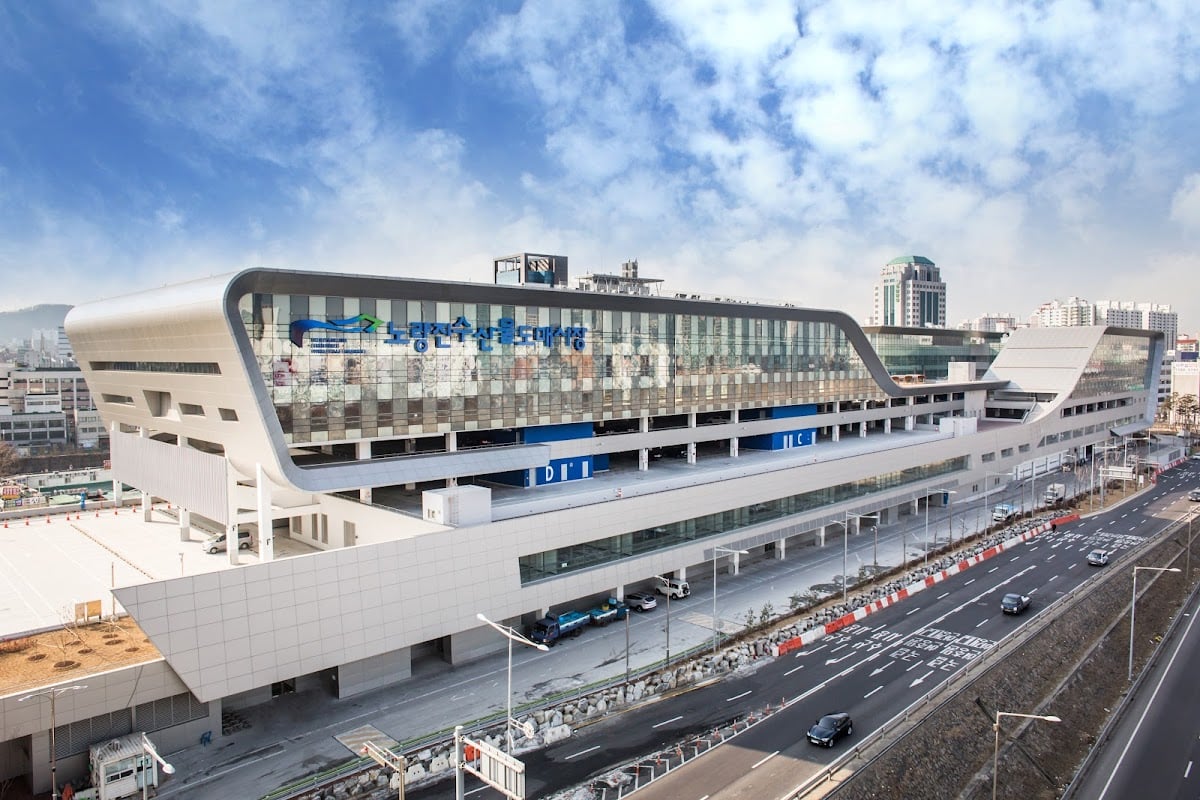
Noryangjin Fish Market
Noryangjin operates on two levels — the gleaming upper hall that serves tourists with labeled tanks and English menus, and the raw lower level where the real market operates in a continuous roar of auction calls, ice-scrapers, and the smell of the deep ocean. Arrive before 6am if you want to witness the tuna auctions, where carcasses the size of motorcycles are assessed, bid upon, and assigned their commercial destiny in minutes by buyers who learned to read fish the way others read books. The procedure is to choose your seafood alive from the tanks — flounder, abalone, spiny lobster, sea cucumber — have it dispatched and sliced before you at the stall, then carry it upstairs to one of the restaurants whose business model is to provide the rice, the banchan side dishes, the soju, and the table in exchange for a modest fee. The sashimi is eaten within minutes of the sea, which is an experience that recalibrates everything you thought you knew about freshness.
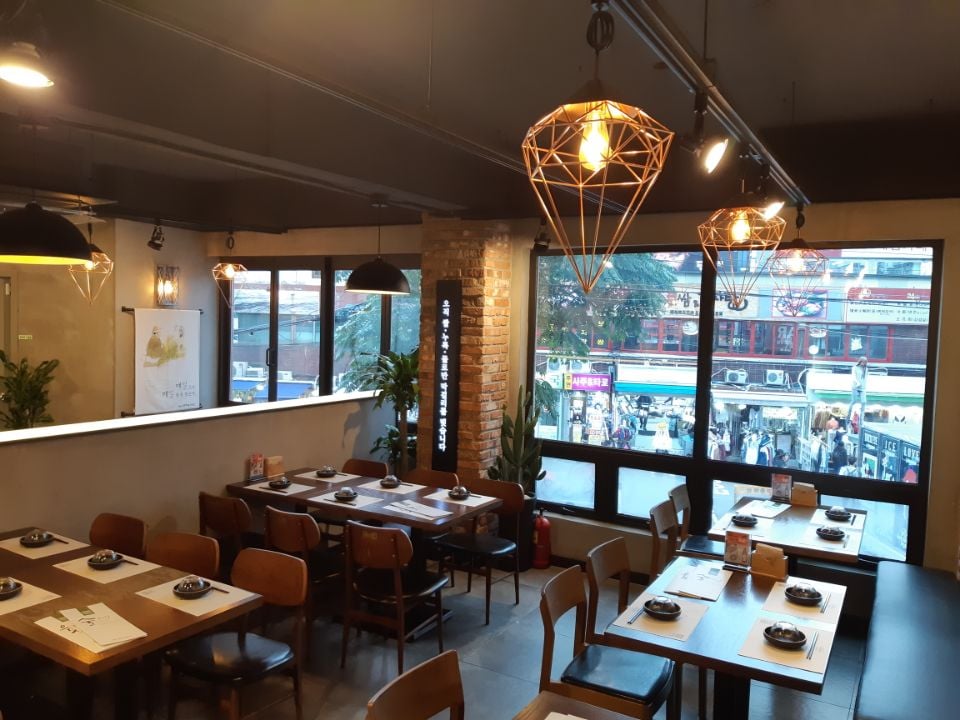
Sinchon Makgeolli Bar
Sinchon's makgeolli bars exist in a specific register of Korean social life that has no clean equivalent elsewhere: the kind of place where university students and their professors drink the same milky rice wine from the same shallow bowls, where the conversation can move from philosophy to gossip to singing without losing altitude. The best of these establishments are small, un-signposted, and discoverable only if you follow someone who already knows where they are — look for the hand-painted signs showing the traditional kettle on side streets off Sinchon-ro. The makgeolli arrives freshly made, sometimes still fermenting slightly, with a gentle sourness and a warmth that builds slowly rather than arriving all at once. The anju — the food that accompanies it — runs to pajeon (spring onion pancakes), dubu kimchi (silken tofu with stir-fried kimchi), and sometimes doenjang jjigae, the fermented soybean paste stew that is one of Korea's oldest comfort foods. Stay for one round; you will inevitably stay for three.
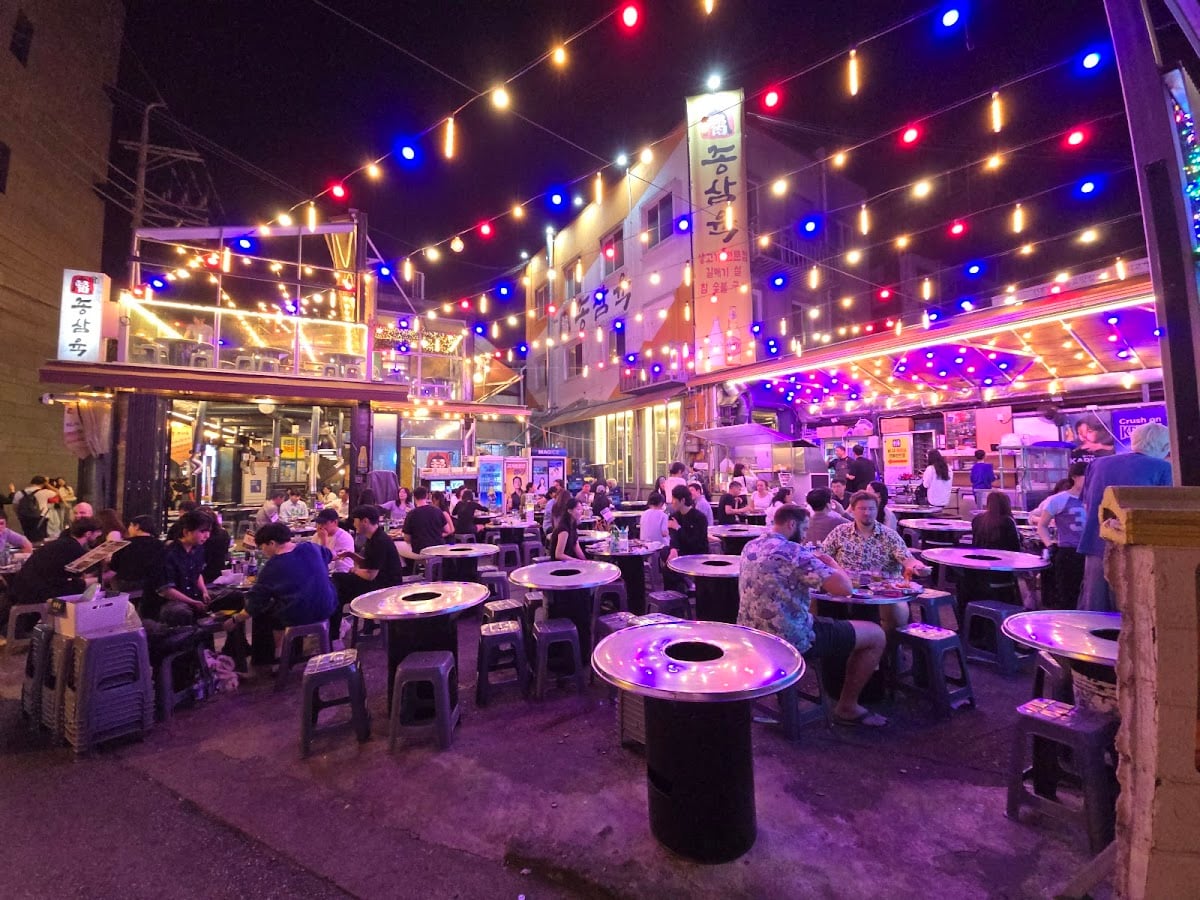
Late-Night Pojangmacha
The pojangmacha — literally 'covered wagon stall' — is the tent-shaped orange canvas structure that appears on Seoul's sidewalks as the night deepens, a temporary architecture of warmth and shared impermanence that has been sustaining the city's nocturnal workers for generations. Inside, a single gas burner supports a rotating cast of iron pots: odeng (fish cakes in clear broth), tteokbokki (rice cakes in ferocious red sauce), sundubu jjigae (silken tofu stew), and always the central Korean equation of soju plus anju. The stools are plastic, the chopsticks are metal, and the light is fluorescent in a way that somehow becomes flattering by the third glass. Your neighbors will be office workers who have loosened their ties, delivery riders warming their hands on soup bowls, and couples conducting the kind of conversation that only happens after midnight. The pojangmacha is Seoul's truest democracy: everyone eats the same food at the same low tables, and the city's hierarchies dissolve temporarily in the steam.
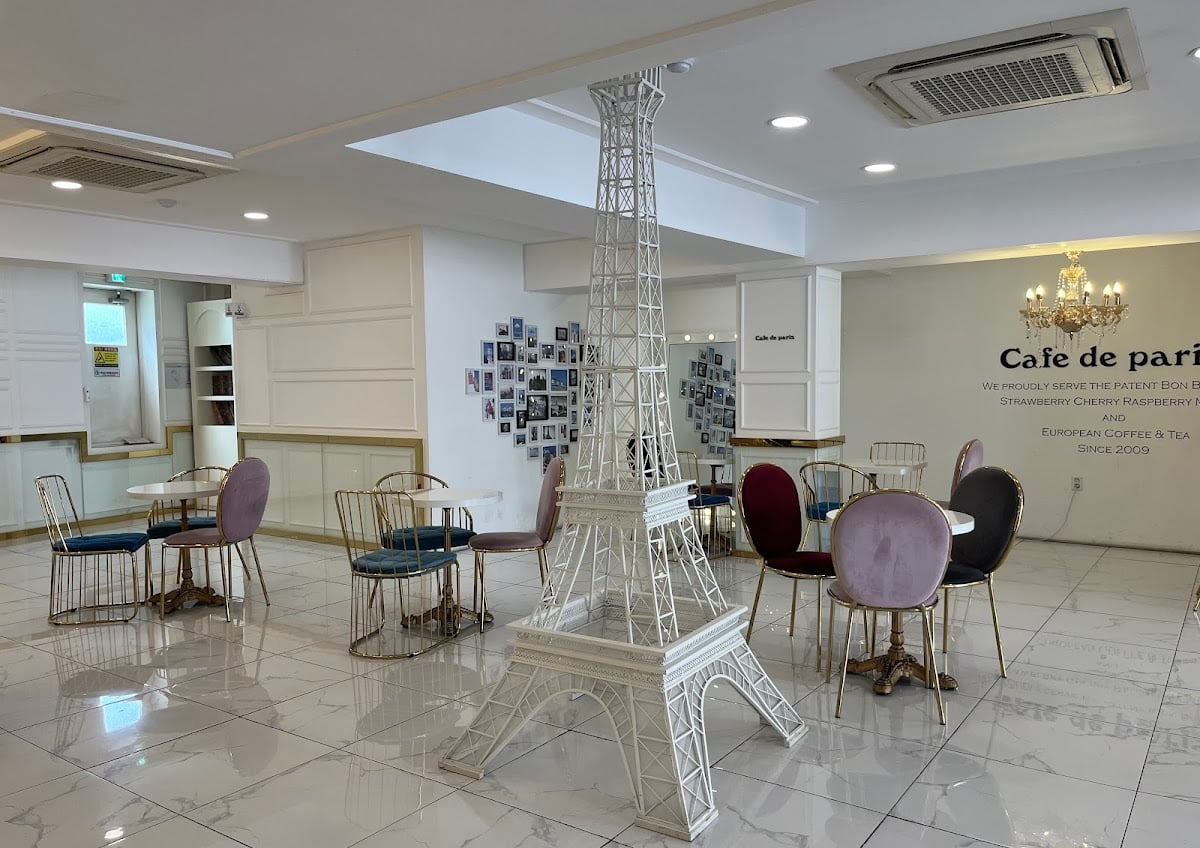
Café de Paris Insadong (Insadong Specialty Cafe)
Insadong's traditional arts street is lined with galleries, teahouses, and shops selling hanji, celadon, and ink brushes, and the cafes that thread through this neighborhood carry a different energy than those of Seongsu or Hongdae — quieter, more contemplative, calibrated to the pace of someone who has just spent an hour with a brush painting. The best of them occupy converted courtyard houses where the inner garden is the focal point and the coffee arrives in hand-thrown ceramic cups that make every sip feel considered. Traditional yuja-cha (citron tea), boricha (roasted barley tea), and maesil-cha (plum tea) appear alongside espresso on menus here, a hospitality that the Insadong cafes extend to both the foreign visitor and the Korean traditionalist simultaneously. Sit in the courtyard when the weather permits, watch the light move across the stone paving, and feel the particular Seoul silence that exists inside walls old enough to have heard everything and chosen to say nothing.
Opens Google Maps with all 20 locations pinned
Get new guides in your inbox
Subscribe to the Mapita newsletter and receive handpicked city guides as soon as they're published. No spam, just great places.
Subscribe — it's freeFrequently Asked Questions
How do I open this guide in Google Maps? ▾
Tap the "Open in Google Maps" button and all 20 places will appear as pins in the Google Maps app. You can save the list to your account for offline access.
Can I use this guide offline? ▾
Yes! Once you save the Google Maps list to your account, the places are available even without internet. Download the offline map area in Google Maps before your trip.
How often is this guide updated? ▾
This guide was last updated on April 11, 2026. We regularly review and refresh our guides to ensure all places are still open and worth visiting.
Open in Google Maps
Get all 20 places from this guide pinned directly in Google Maps.
View 20 places on MapsOpens Google Maps with all 20 locations pinned
Get new guides in your inbox
Handpicked city guides delivered as soon as they're published. Free forever.