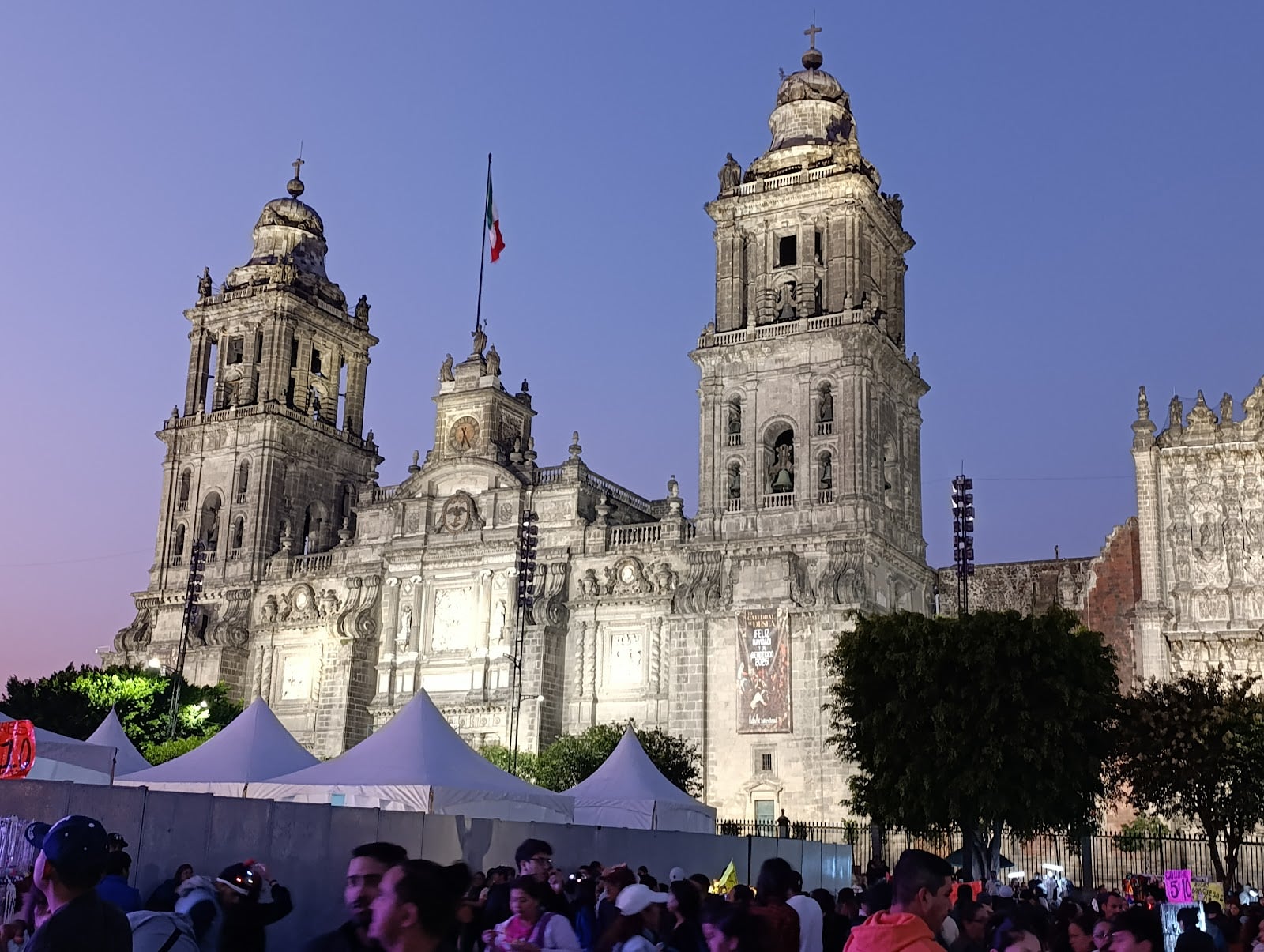
CDMX: Roma-Condesa Art & Food Weekend
 Carlos Mendez
 Overview
Roma Norte and Condesa are the twin beating hearts of Mexico City's creative and culinary renaissance — tree-canopied streets where Art Deco apartment blocks shelter natural wine bars, wood-fire tortilla counters, and gallery spaces that wouldn't look out of place in Berlin or São Paulo. Spend a weekend here and you move between worlds: the volcanic morning chaos of Mercado de Medellín, the slow liturgy of a Sunday mezcal tasting, the hush of a gallery where a single canvas stops time. The food scene straddles everything from a Yucatecan cochinita taco served on a plastic stool to a ten-course tasting menu that rewrites what Mexican produce can do. Street life bleeds into café culture, café culture bleeds into aperitivo hour, and the whole neighborhood vibrates with a low-key euphoria that is entirely its own. This is the Mexico City that belongs to artists, chefs, collectors, and the perfectly turned-out locals who invented modern CDMX cool.
Map
20 pinned placesFeatured Places
Discover the best spots in this carefully curated guide. Each location has been personally visited and vetted to ensure an authentic and memorable experience.
Mercado de Medellín
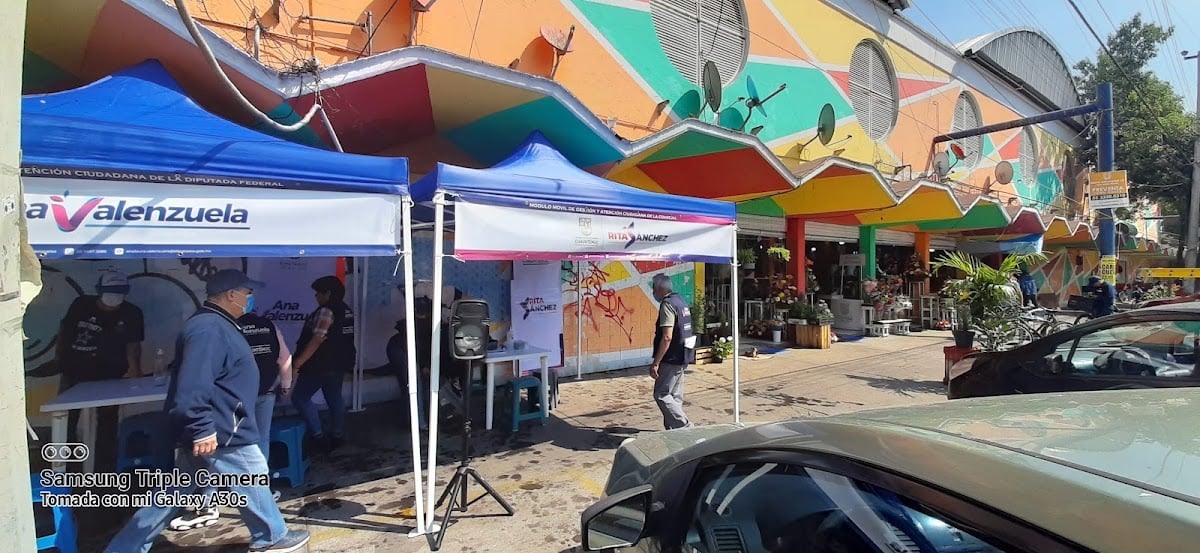
Mercado de Medellín opens early and hits you with a wall of sensation: the smoke of freshly pressed tortillas, the sweet-sharp perfume of guanábana and tamarind, the wet earth smell of fresh chiles in stacked pyramids. This is Roma Sur's neighborhood market, half kitchen supply depot and half street-food labyrinth, alive since the 1950s. Regulars navigate the narrow corridors with the ease of long habit, pausing at the same cheese stall, the same nopal vendor, the same woman who makes the finest quesillo in the city. There is a Cuban-influenced corner — a legacy of mid-century immigration — that sells ropa vieja alongside carnitas. Eat at one of the makeshift counters deep inside: a bowl of pozole verde, a heaped plate of chilaquiles soaked in salsa verde, a horchata thick with cinnamon to wash it all down. Coming here on a Saturday morning is the most honest way to understand what this neighborhood actually eats.
El Turix
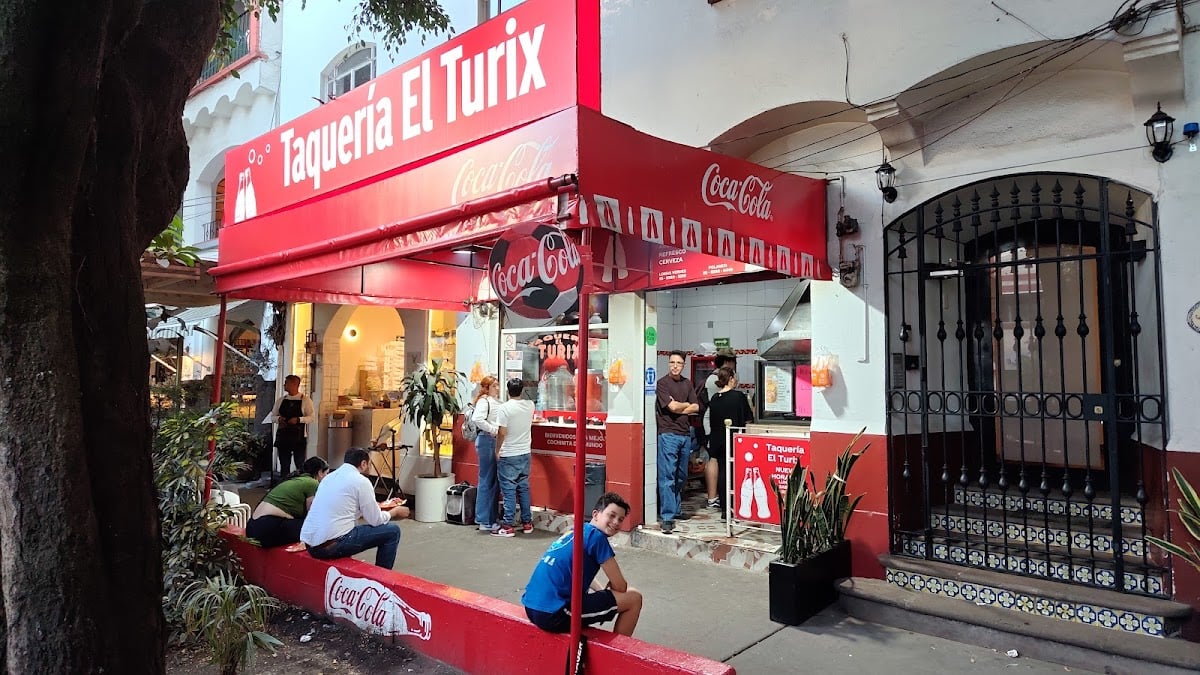
El Turix is a postage-stamp-sized taquería on Emilio Castelar that has achieved near-legendary status for a single reason: its cochinita pibil is among the finest in Mexico City. The slow-roasted pork — achiote-rubbed, wrapped in banana leaf, cooked in a pit until it collapses into tender, earth-orange threads — arrives on a freshly pressed corn tortilla with a punishing habanero salsa and a scatter of pickled red onion. The place smells of citrus, annatto, and pork fat from a half-block away. There are maybe four stools inside and a counter of devoted regulars who time their visits to arrive precisely when the next batch comes out of the pot. This is Yucatecan cooking at its most concentrated, transplanted to Roma Norte with zero concessions to tourist comfort and every concession to flavor. Go hungry. Order three. Add more habanero.
Contramar
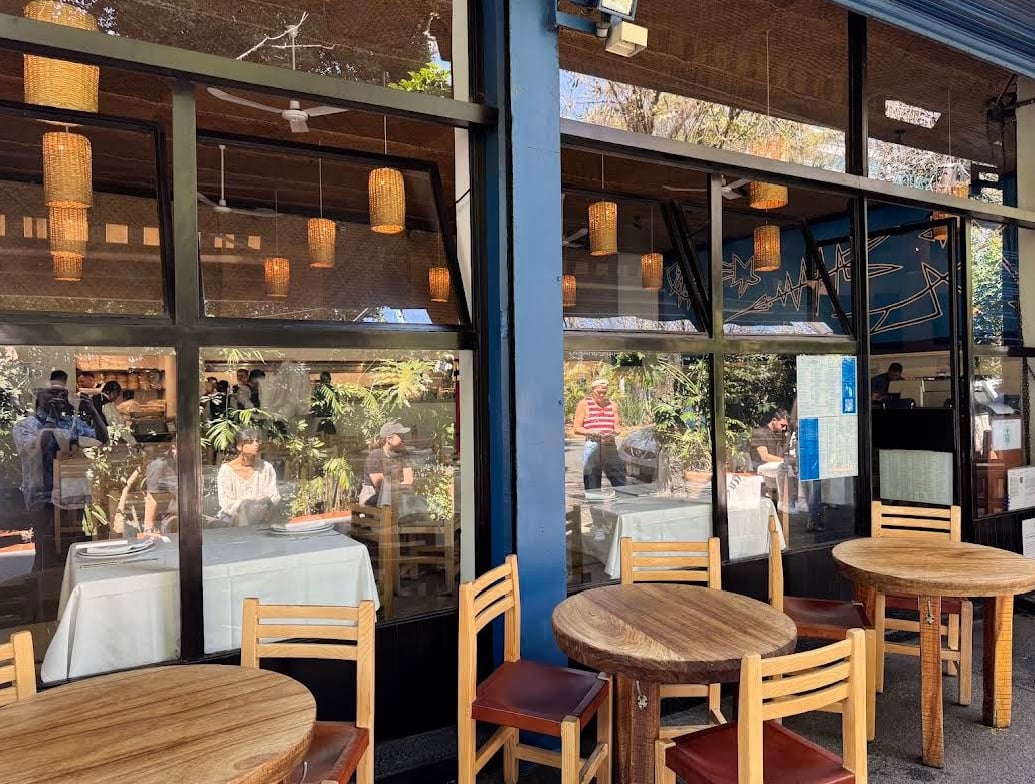
Contramar is the restaurant that Roma Norte built its mythology around — a long, light-flooded room packed with the fashionable and the well-connected from the moment it opens at lunch. The tostadas de atún have been on the menu since 1998 and will never leave: rectangles of crispy corn piled with a mountain of silky raw tuna and two chile salsas, one red and one green, scored in diagonal stripes across the top. Razor clams arrive dressed in olive oil and garlic. The signature pescado a la talla is grilled whole over charcoal, split down the middle and rubbed with two different moles. The noise level is tremendous, celebratory, insistent — conversations overlap, wine gets poured generously, the waitstaff move through the room with practiced precision. If Roma Norte has a temple, this is it.
Lardo
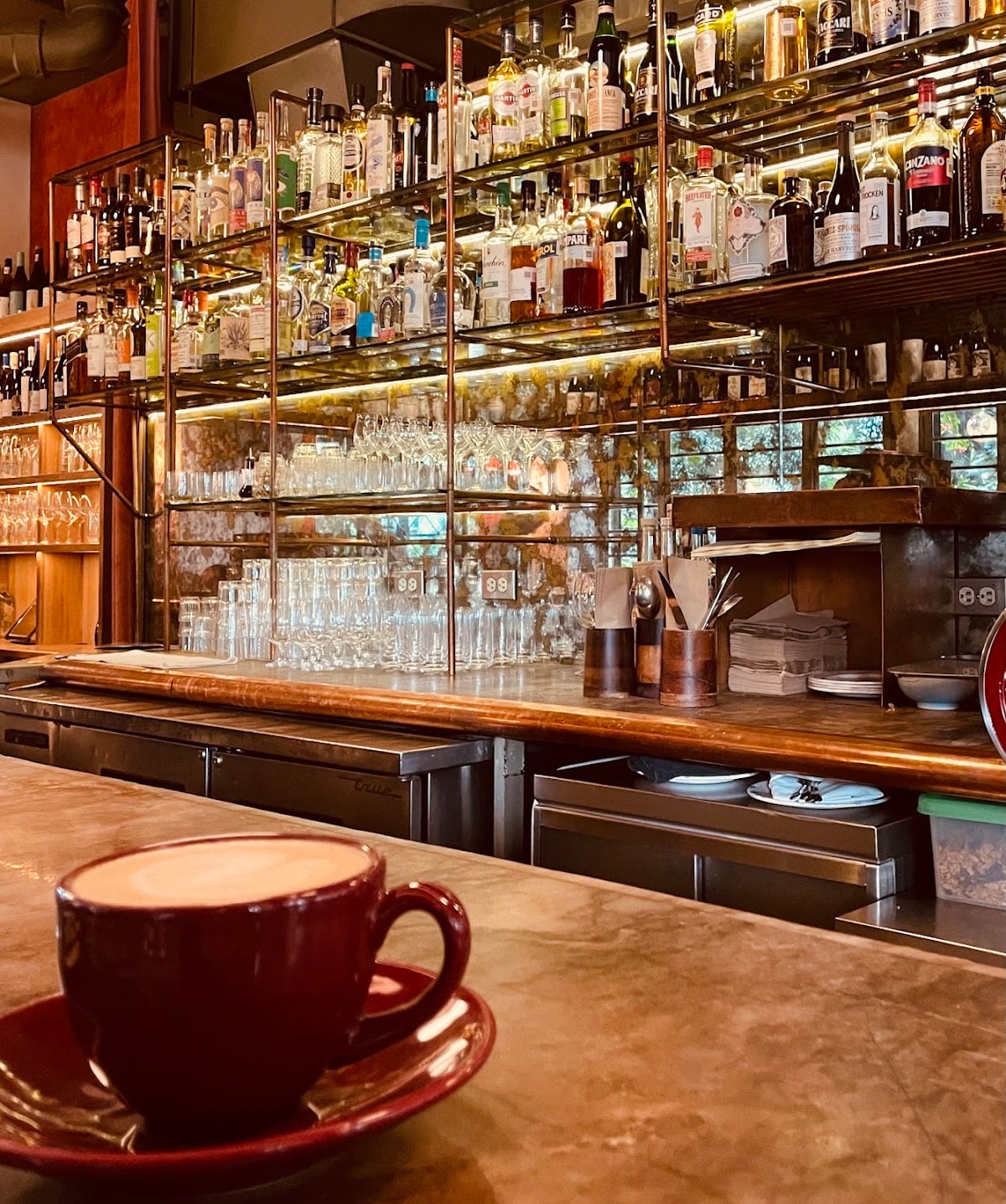
Lardo on Agustín Melgar is Roma's best argument that brunch can be more than a cliché. The dining room is all white walls and blond wood, flooded with light through a glass ceiling, designed to make everything look as good as it tastes. The menu is Italian-inflected without being derivative: ricotta-filled bomboloni with honey, frittatas loaded with herbs and grilled zucchini, focaccia pulled from the wood oven while still crackling from the heat. Weekend mornings bring a queue, but the wait is made bearable by excellent espresso — sourced from local roasters — served with a small square of dark chocolate. The kitchen's relationship with vegetables is notable, with half the menu shifting seasonally based on what comes in from small central Mexico farms. It is unhurried, generous, and resolutely Roma in its sensibility.
Blend Station Coffee
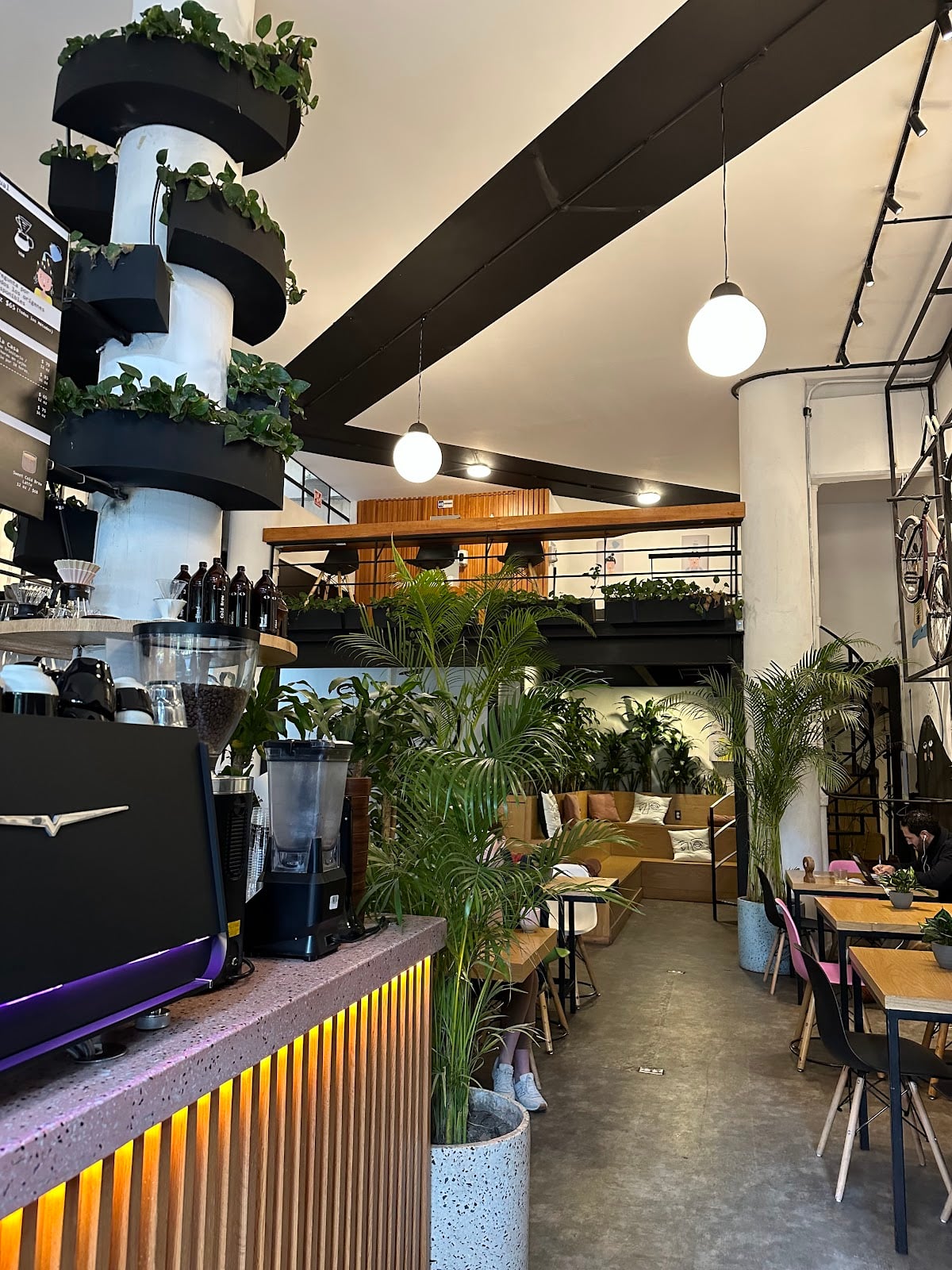
Blend Station is Roma Norte's anchor for serious third-wave coffee culture, tucked on a side street with the low-key confidence of a place that knows its regulars will find it. The space is stripped-back industrial, with exposed concrete and a long brew bar where baristas treat each pour-over with monastic attention. The beans rotate seasonally — expect micro-lots from Oaxaca, Veracruz, and Chiapas, roasted in-house and offered as filter, espresso, or cold brew depending on the season. There is a small menu of pastries: kouign-amann, savory scones, the occasional canelé. Laptops are tolerated on weekday mornings, but by weekend afternoon the room fills with people who are here simply to drink exceptional coffee and talk. Order the seasonal single-origin filter and take it to the small courtyard terrace where bougainvillea spills over the wall.
Quentin Wine Bar
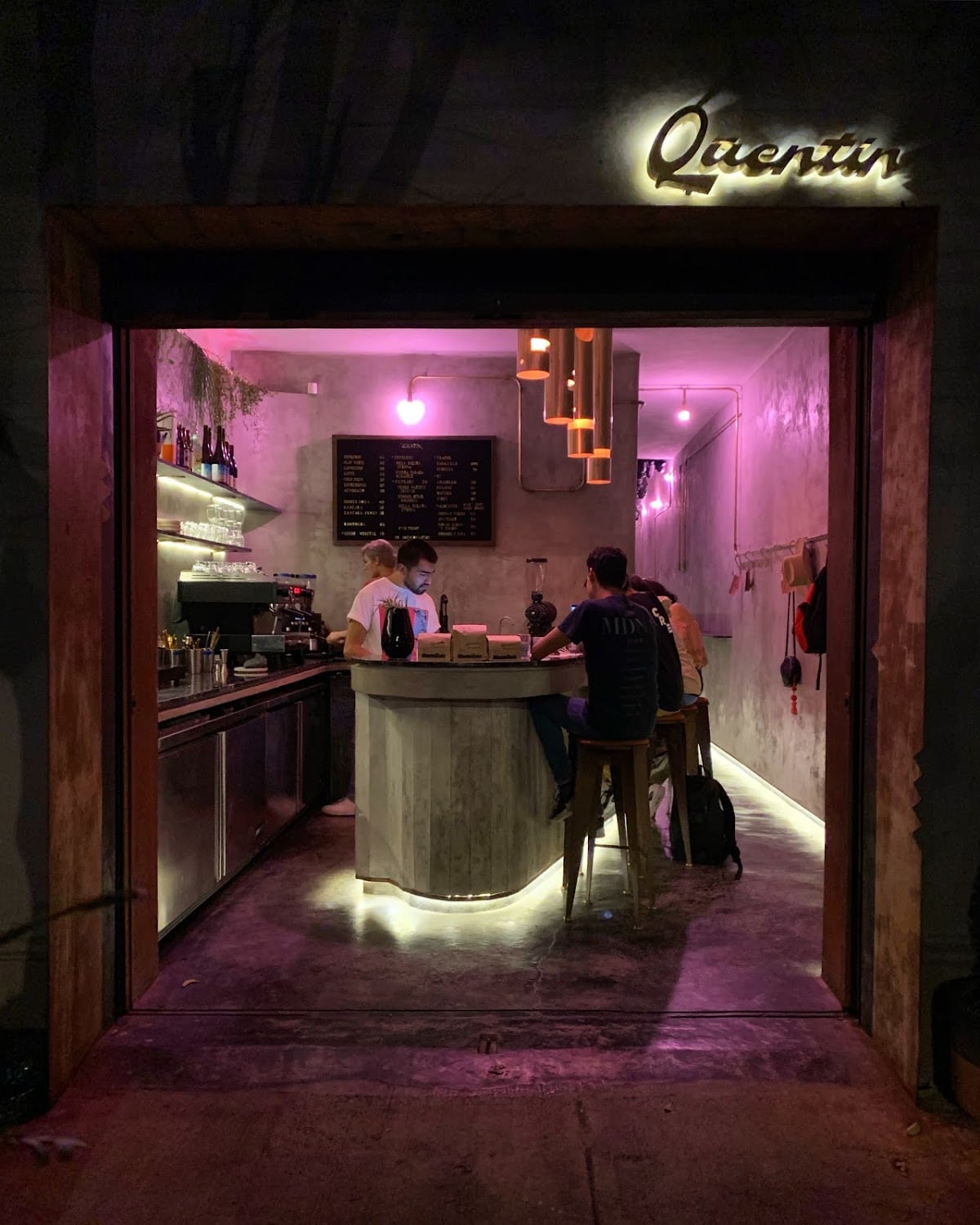
Quentin occupies a corner of Roma Norte's wine scene that didn't exist a decade ago: small-production, low-intervention, biodynamic bottles from Mexico and beyond, served without ceremony by people who are genuinely excited about what's in the glass. The room is narrow and warm, with shelves of bottles climbing to the ceiling and a bar that encourages conversation with strangers. The list skews toward natural producers from Valle de Guadalupe, Guanajuato, and Querétaro alongside Europeans, and the team's willingness to open anything for a small pour makes it easy to explore. Snacks arrive from a kitchen that understands restraint: grilled bread with bone marrow, a charcuterie selection, anchovies on butter. Thursday to Saturday the room fills after 9pm with an art-world crowd who treat it as their after-gallery decompression chamber.
Mezcalería Las Flores
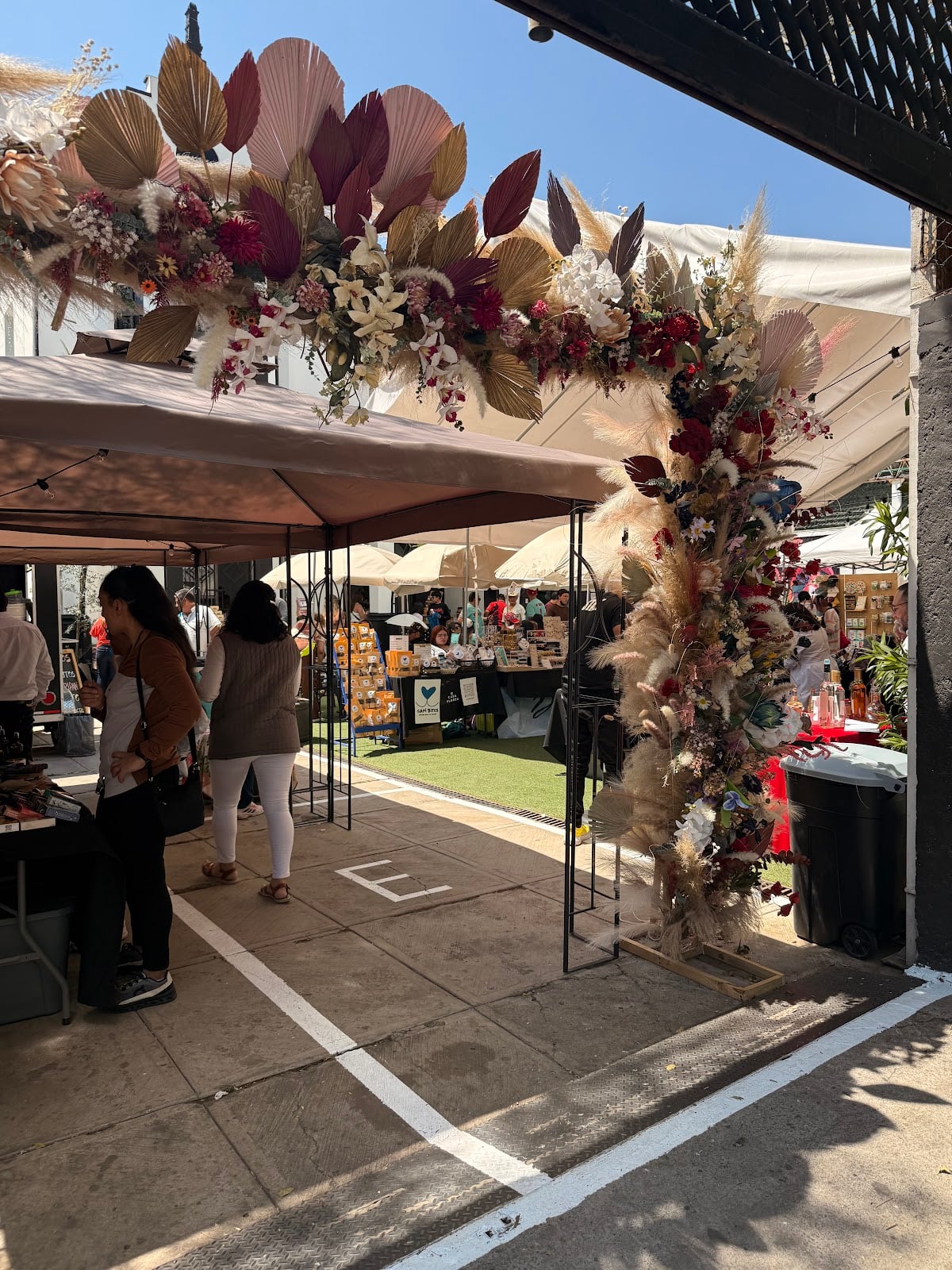
Las Flores is a mezcal bar that takes the spirit seriously without taking itself seriously — a crucial distinction in a city where mezcal culture can tip easily into solemnity. The selection covers Oaxacan espadin and tobalá as you'd expect, but also branches into Guerrero's cupreata, Michoacán's inaequidens, and rare single-barrel ensambles that arrive in tiny batches and disappear just as quickly. The room is candlelit, rough-plastered, hung with dried flowers and painted tin ex-votos. Mezcal is served in clay copitas, neat, with a wedge of orange dusted in sal de gusano if you want it. The staff are patient educators who will walk you through a producer's village, their clay pot still, their harvest year, with no condescension. Late on a Friday night the place fills with the particular kind of beautiful, smoke-scented abandon that mezcal seems to generate.
Licorería Limantour
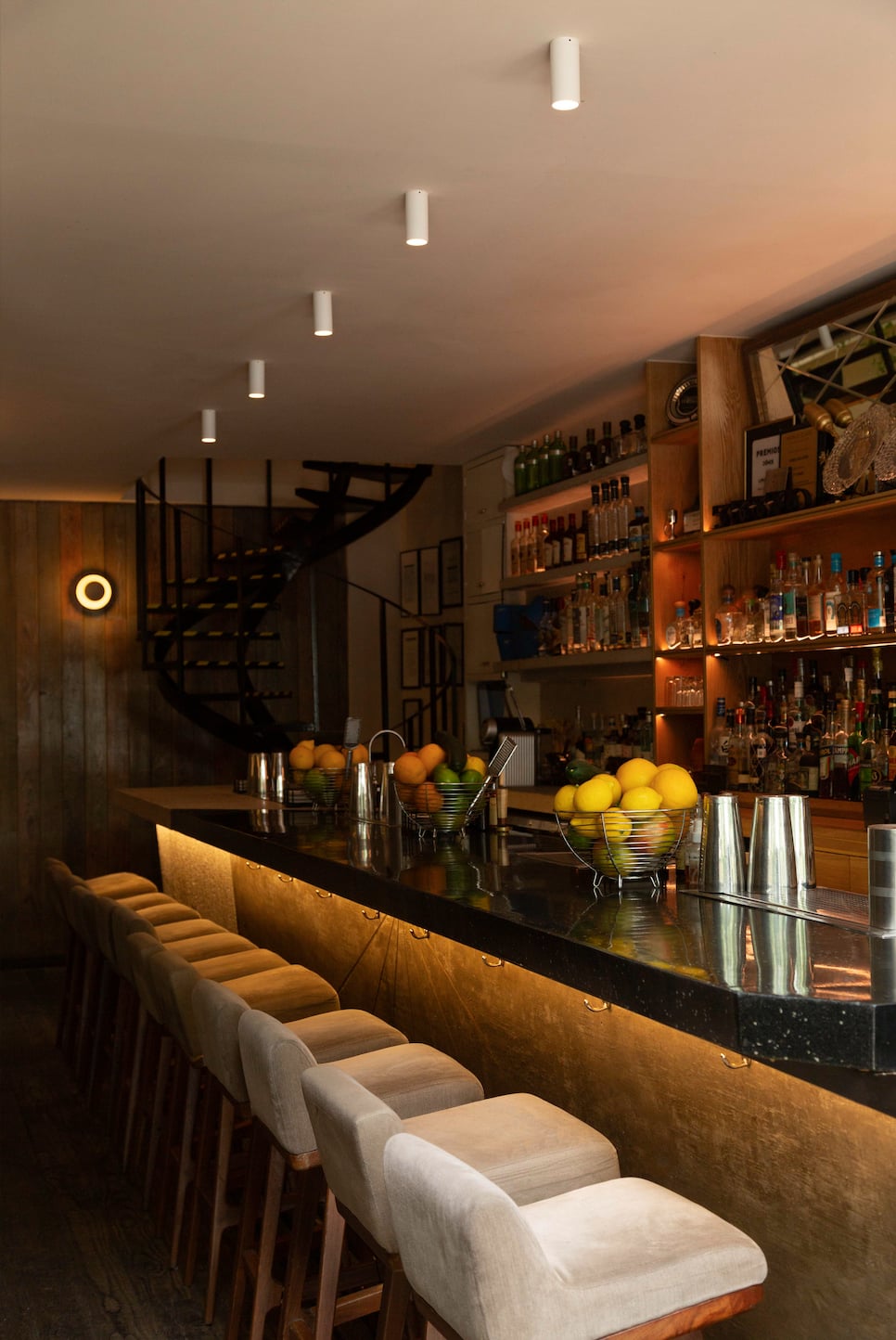
Licorería Limantour is the cocktail bar that put Mexico City on the global mixology map — appearing on the World's 50 Best Bars list and maintaining that reputation with rigorous consistency year after year. The Roma Norte outpost occupies a long, candlelit room where the drinks menu changes seasonally and each cocktail is built around Mexican spirits, local botanicals, and a studied restraint with sweetness. Their mezcal Negroni using a small-batch Oaxacan still is the benchmark version of the drink in this city. The kitchen produces excellent bar snacks: tostaditas, aguachile, a beef tartare with chile oil. Bookings are possible for the dining room; the bar operates on a first-come basis and the wait on weekends is worth it. Order methodically, work through the menu, and arrive prepared to stay several rounds.
Expendio de Maíz Sin Nombre
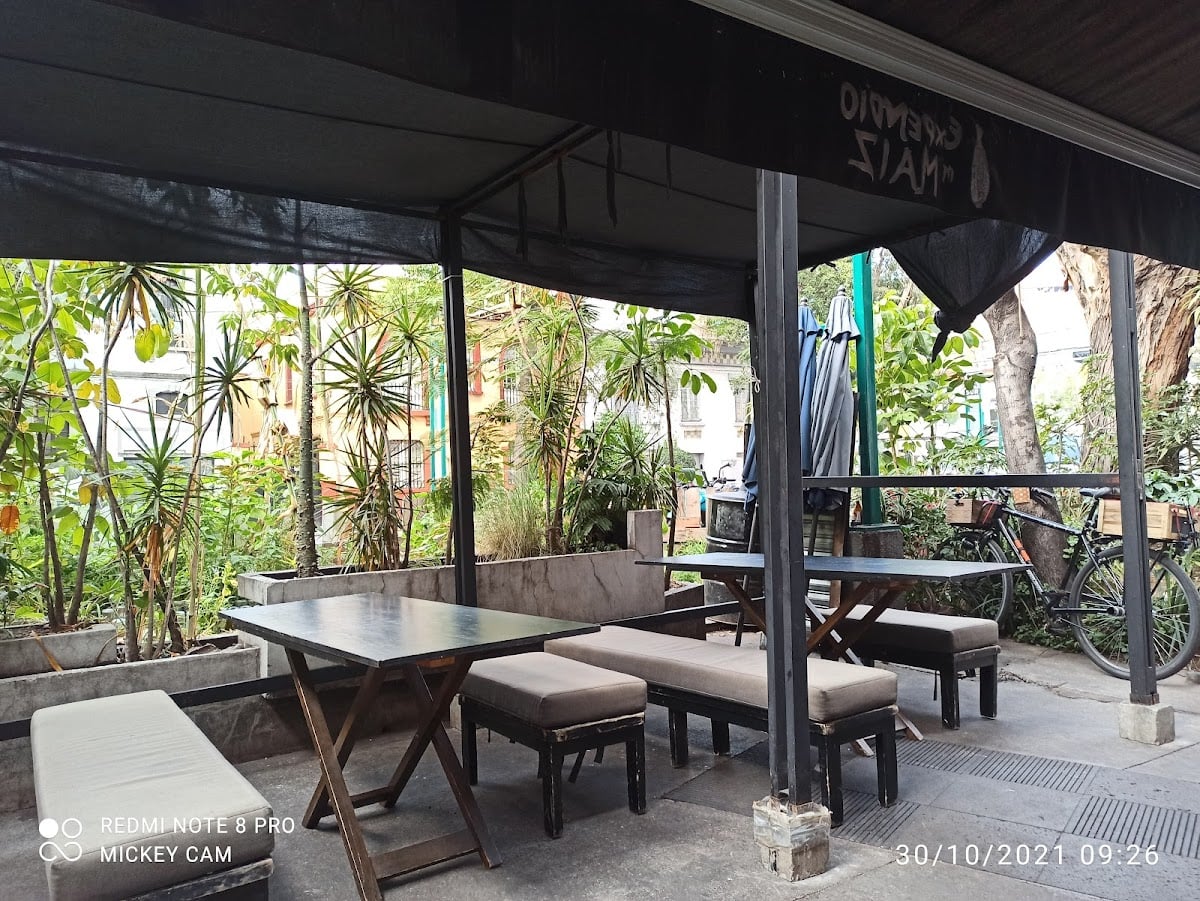
There is no sign outside. The entrance is a nondescript door in Colonia Centro, and the experience inside defies easy categorization — part performance, part tasting menu, part love letter to the biodiversity of Mexican corn. Chef Óscar Carrizosa runs a single long counter with a handful of seats, and the tasting proceeds through a series of tortillas, each made from a different maíz criollo heirloom variety: negro, amarillo, azul, blanco, each with its own terroir, its own sweetness, its own chew. The masa is ground on a metate before your eyes. Toppings are minimal and precisely chosen — a smear of frijoles negros, a dot of salsa macha, a wisp of epazote. Water is served, or a light tepache. This is among the most intellectually honest meals in Mexico City: corn as philosophy, as identity, as the most fundamental pleasure.
Quintonil
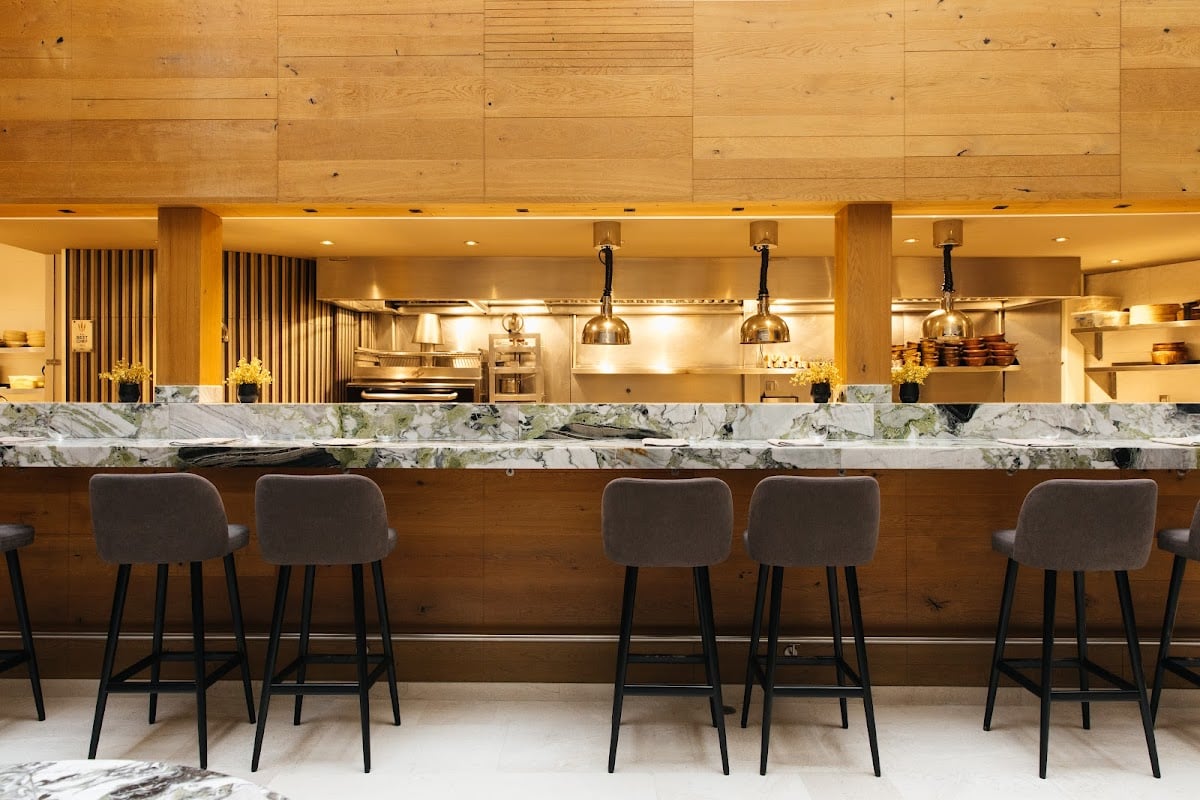
Quintonil on Newton in Polanco sits at the apex of Mexico City's fine dining conversation — Jorge Vallejo's kitchen one of those rare restaurants where ambition and execution align without visible strain. The menu moves through native Mexican ingredients with the rigor of a research institution and the warmth of a family kitchen: a soup of hoja santa and bone marrow; a carnitas made from heritage-breed pork with fermented chilhuacle negro; an avocado leaf ice cream that sounds wrong and is completely right. The room is calm, pale, intimate — a studied contrast to the pyrotechnics on the plate. The tasting menu runs about twelve courses and is worth every peso. Service is deft, knowledgeable, and measured in its explanations. Reservations open months in advance and disappear within hours: book early, dress in layers, clear the evening.
Kurimanzutto
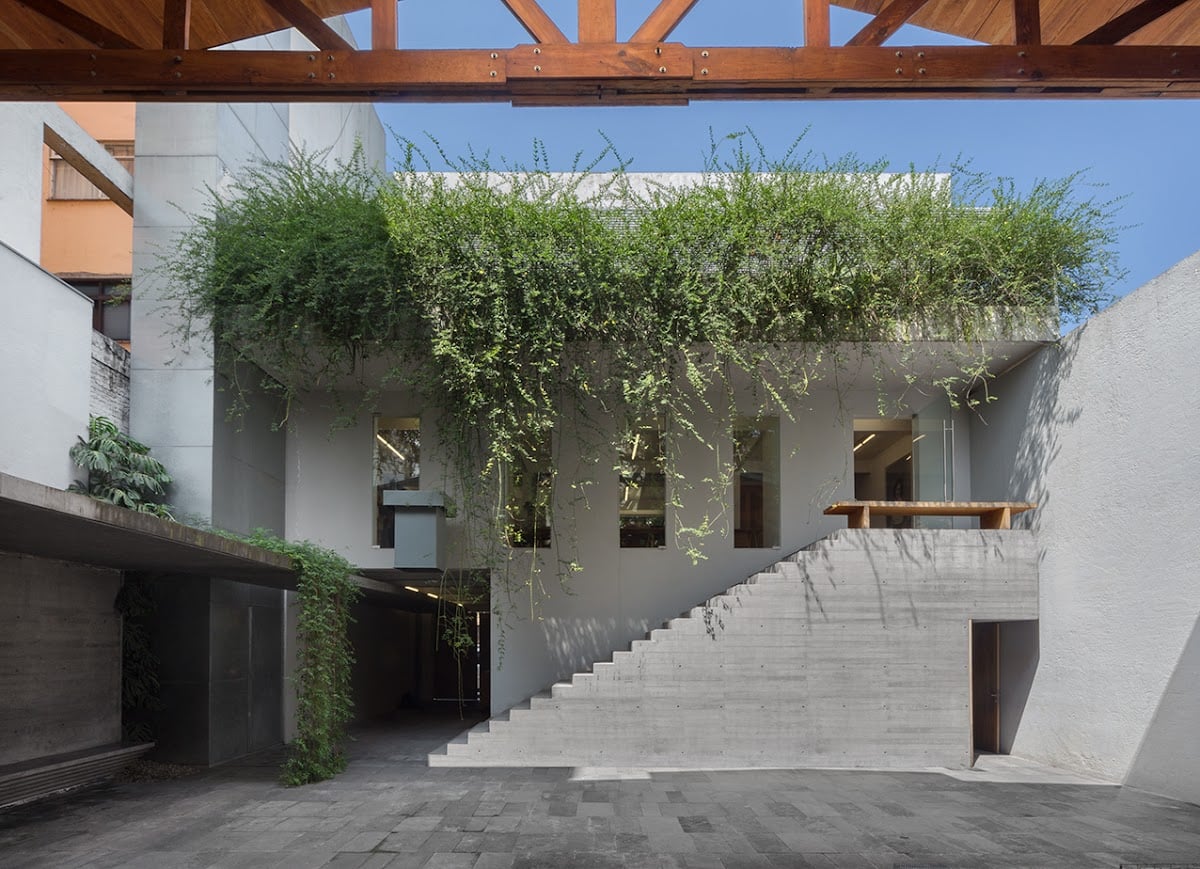
Kurimanzutto is one of Latin America's most internationally respected contemporary art galleries, occupying a spectacular converted warehouse in San Miguel Chapultepec. Founded in 1999 by gallerists Monica Manzutto and José Kuri, it launched the careers of artists including Gabriel Orozco, Dr. Lakra, and Damián Ortega, and continues to represent a roster of Mexican and international artists whose work circulates through the best museums in the world. The space itself is worth the visit — the soaring industrial ceiling, the precise white walls, the way natural light falls differently in each room depending on the hour. Exhibitions change every six to eight weeks and the openings, held on Saturday evenings, are among the best social events in the city's art calendar. Entry is free and the staff welcome genuine curiosity.
Galería OMR
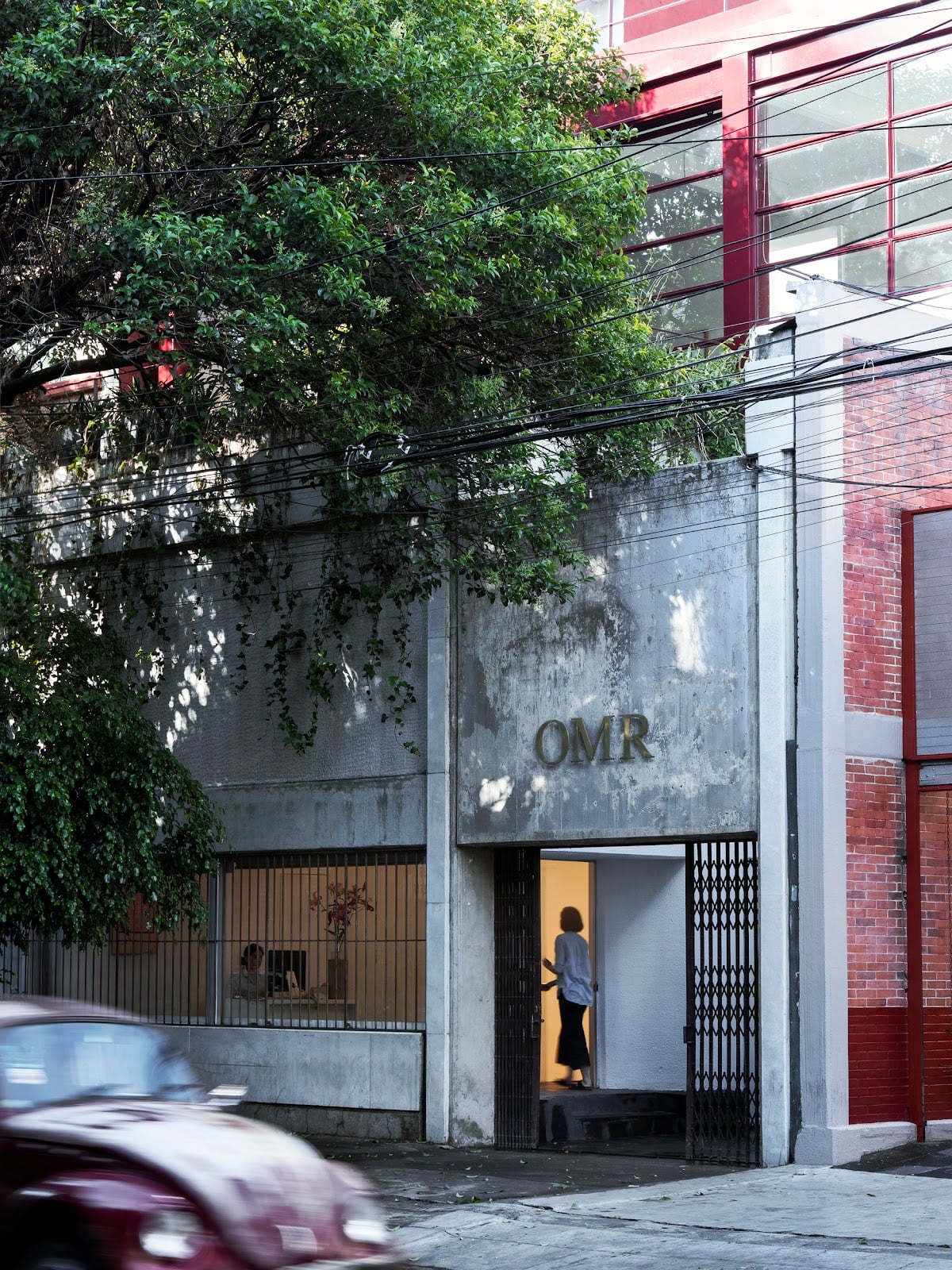
Galería OMR has operated from its Roma Norte address on Plaza Río de Janeiro since 1983, making it one of the oldest and most influential commercial galleries in Mexico. The building is a handsome early-twentieth-century house with internal courtyards and rooms that open into one another, creating an intimate viewing experience distinct from the white cube galleries that followed. The program balances established Mexican artists with international emerging figures, with a particular strength in video, installation, and large-scale painting. Plaza Río de Janeiro itself is lovely — a quiet oval plaza with a replica of Michelangelo's David at its center, surrounded by French-influenced mansions and shaded benches. The gallery's openings draw a cross-generational crowd of artists, collectors, curators, and curious walkers-in, all of whom are made to feel equally welcome.
Parque México
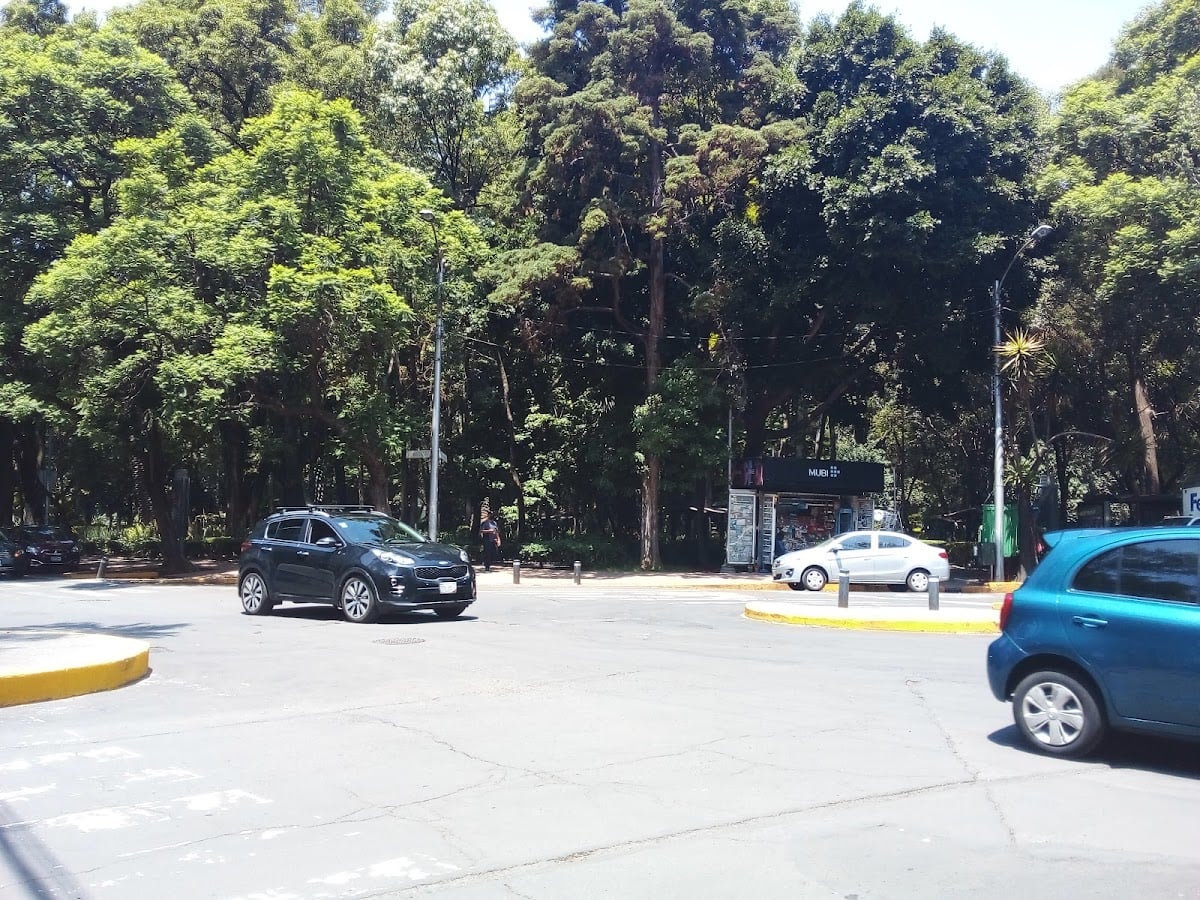
Parque México is Condesa's living room — the oval Art Deco park at the neighborhood's center around which the entire district seems to organize its social life. On weekend mornings it operates as a vast outdoor café, with dog walkers, runners, children, and the quietly hungover all sharing the paths beneath enormous rubber trees whose roots have buckled the surrounding footpaths into beautiful disorder. Food vendors set up on the perimeter: corn in cups with chile and lime, roasted sweet potato, tamales from a bicycle cart. The French-inspired apartment buildings that ring the park can be read like an architectural history of 1930s Mexico City. Sitting on a bench under the shade for half an hour with a café de olla from one of the nearby stalls is one of the most pleasurable inexpensive things this neighborhood offers.
La Romita
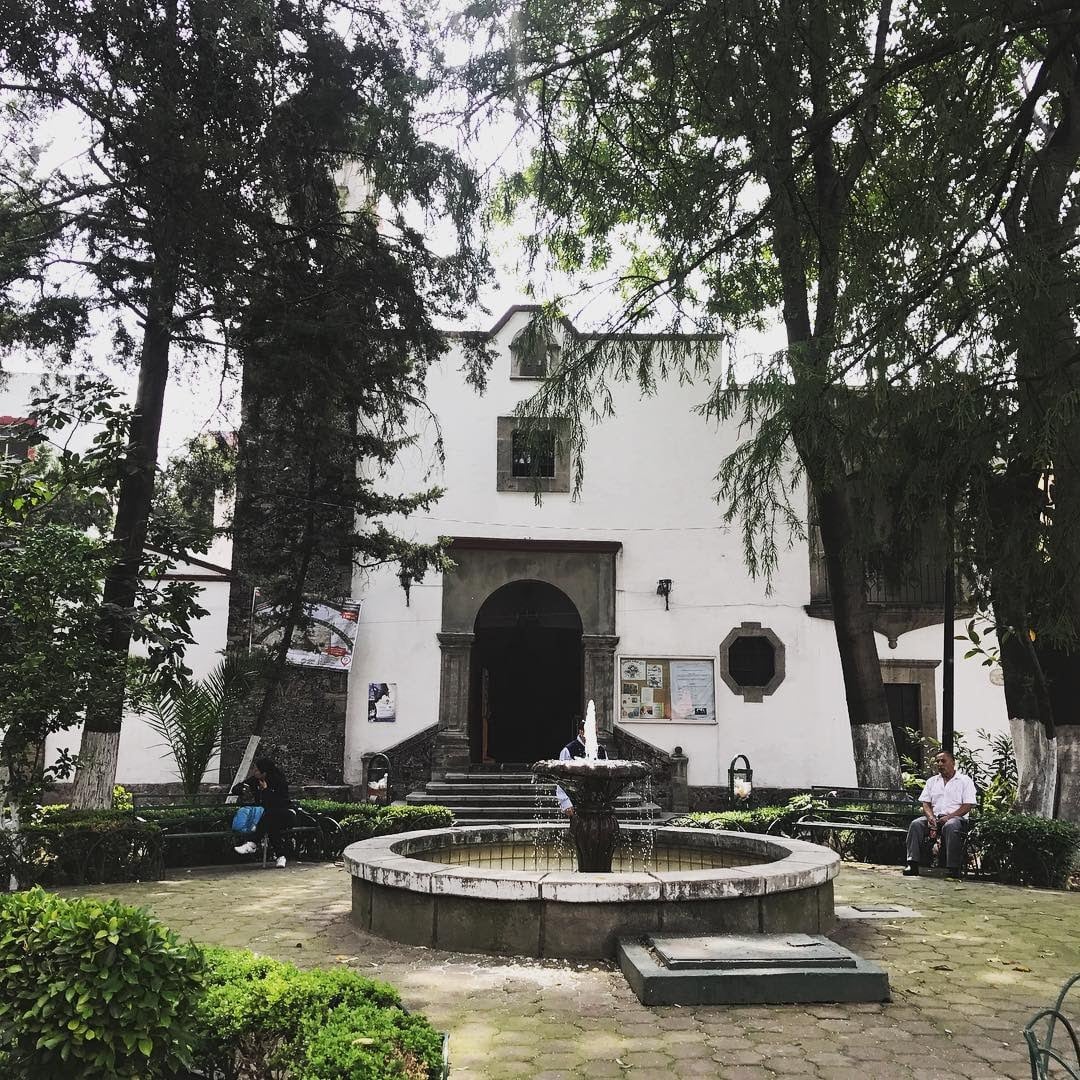
La Romita is the oldest part of Roma Norte — a tiny colonial barrio with its own small church, Templo de la Santísima Trinidad, clustered around a triangular plaza that feels categorically different from the broad, Haussmann-inflected streets that surround it. Walking here is like finding a crease in the city's fabric where an older layer of Mexico City is still visible through the fashionable surface. The streets are narrow enough to make the light fall at odd angles, and the walls carry layers of old posters and political murals. A handful of mezcal bars and small restaurants have colonized the plaza's perimeter over the last decade, but the neighborhood retains a quiet, slightly secret quality. Come on a weekday morning when the streets belong entirely to you and a few locals arguing politics outside the corner store.
El Péndulo Roma Norte
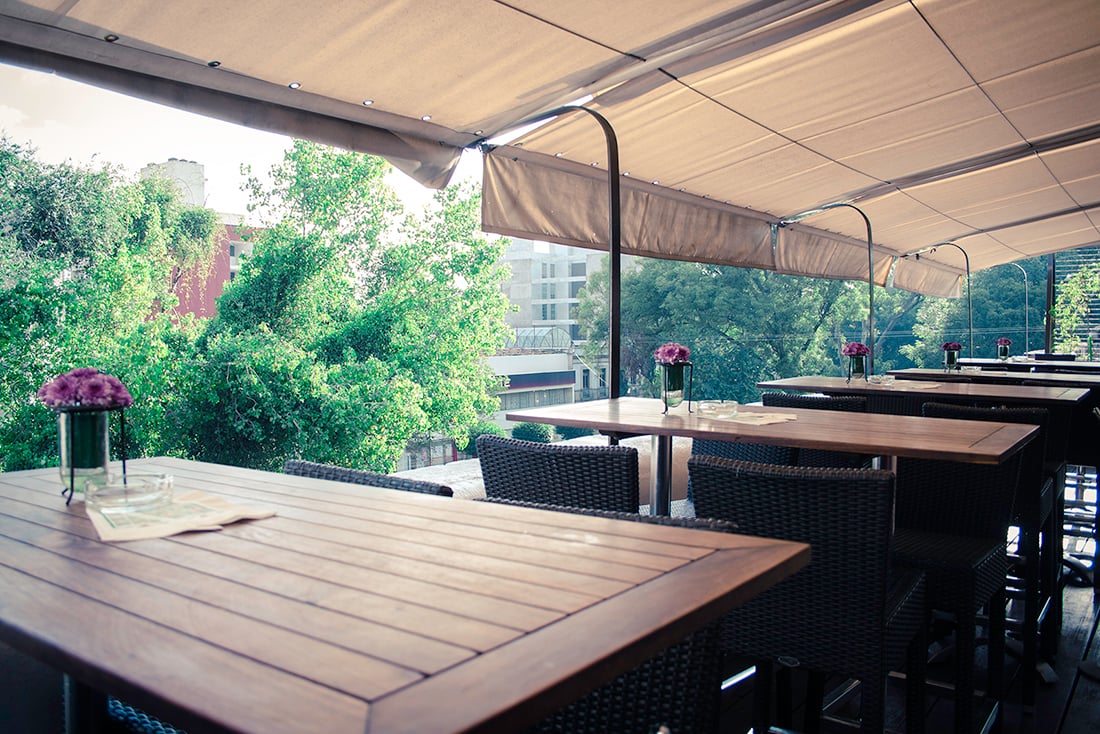
El Péndulo is what a bookstore should be and rarely is: an actual destination, a place people come not just to buy books but to inhabit. The Roma Norte branch occupies a tall, loft-like space with mezzanines of shelving climbing toward a glass ceiling, plants growing everywhere, and a café embedded in the center of the ground floor selling excellent coffee, fresh juices, and a rotating selection of sandwiches and cakes. The books are in Spanish and English, with a strong section on Mexican art, architecture, food, and literature that functions as an excellent crash course in CDMX culture. Jazz or classical music plays at a sensible volume. Weekend afternoons bring readings, acoustic concerts, and art talks. Arrive intending to buy two books, leave with five and a pastry.
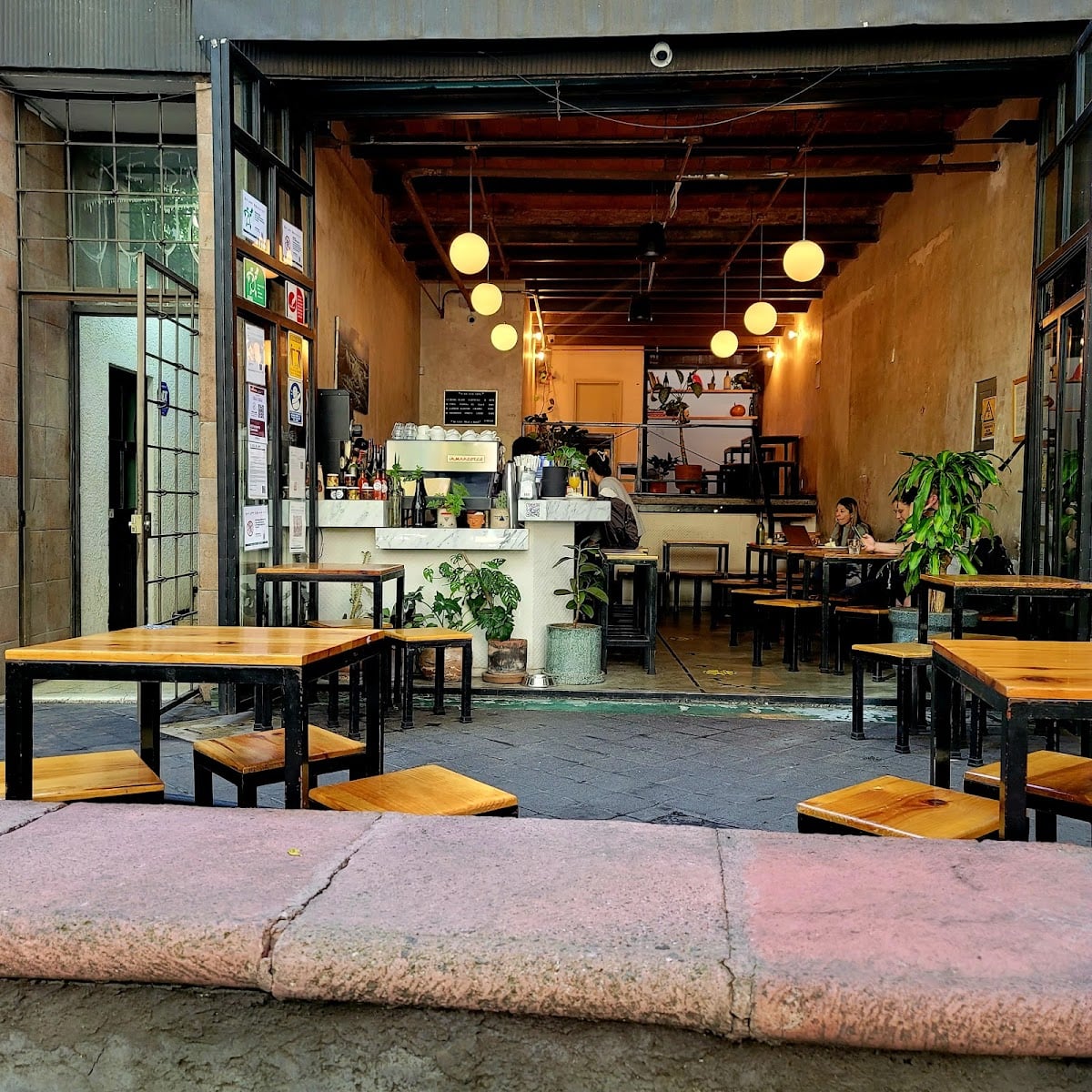
Cicatriz Café
Cicatriz sits on a corner of Roma Norte that catches the afternoon light perfectly, its folding glass facade open to the street from mid-morning until well into the evening. The coffee program is serious — a rotating single-origin filter and a well-calibrated espresso, sourced from small Mexican producers — but the kitchen is what sets it apart. The menu changes weekly and shows genuine care: cured salmon tostadas, black bean soup with hoja santa cream, a torta de guajolote that reconstitutes the festive bird into something refined and approachable. The clientele is visibly creative: architects with rolled blueprints, photographers between shoots, the occasional novelist who has claimed a corner table as their office. The pace is slow, the light is good, and the staff seem to understand that a café's best function is to make people want to stay longer than they planned.
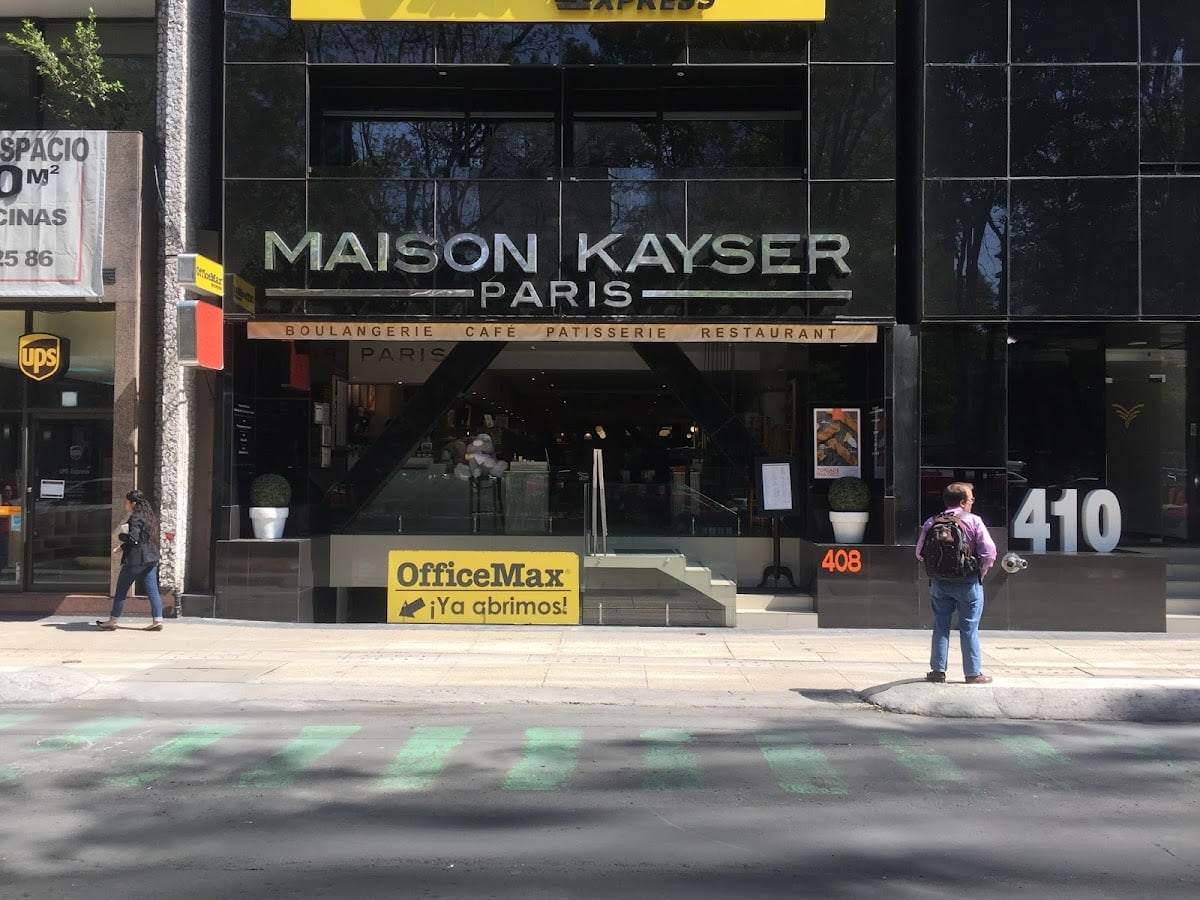
Maison Kayser Condesa
The Condesa branch of Maison Kayser brings Eric Kayser's Parisian boulangerie discipline to a corner of Avenida Ámsterdam, where the curved street runs alongside the park in a loop that is one of the great urban walks of the city. The bread is the point — baguettes with the proper chew and crackling crust, sourdough miches that keep well into the following day, croissants with the laminated, honeyed interior that separates the serious from the pretenders. The café serves pastries through the glass case and a short breakfast menu of eggs and open-faced toasts. Morning light through the windows illuminates the room with a clarity that makes everything look like a still life. It is not Mexican in any particular way, but the Condesa residents who have adopted it entirely as their own have made it something specific to this neighborhood.
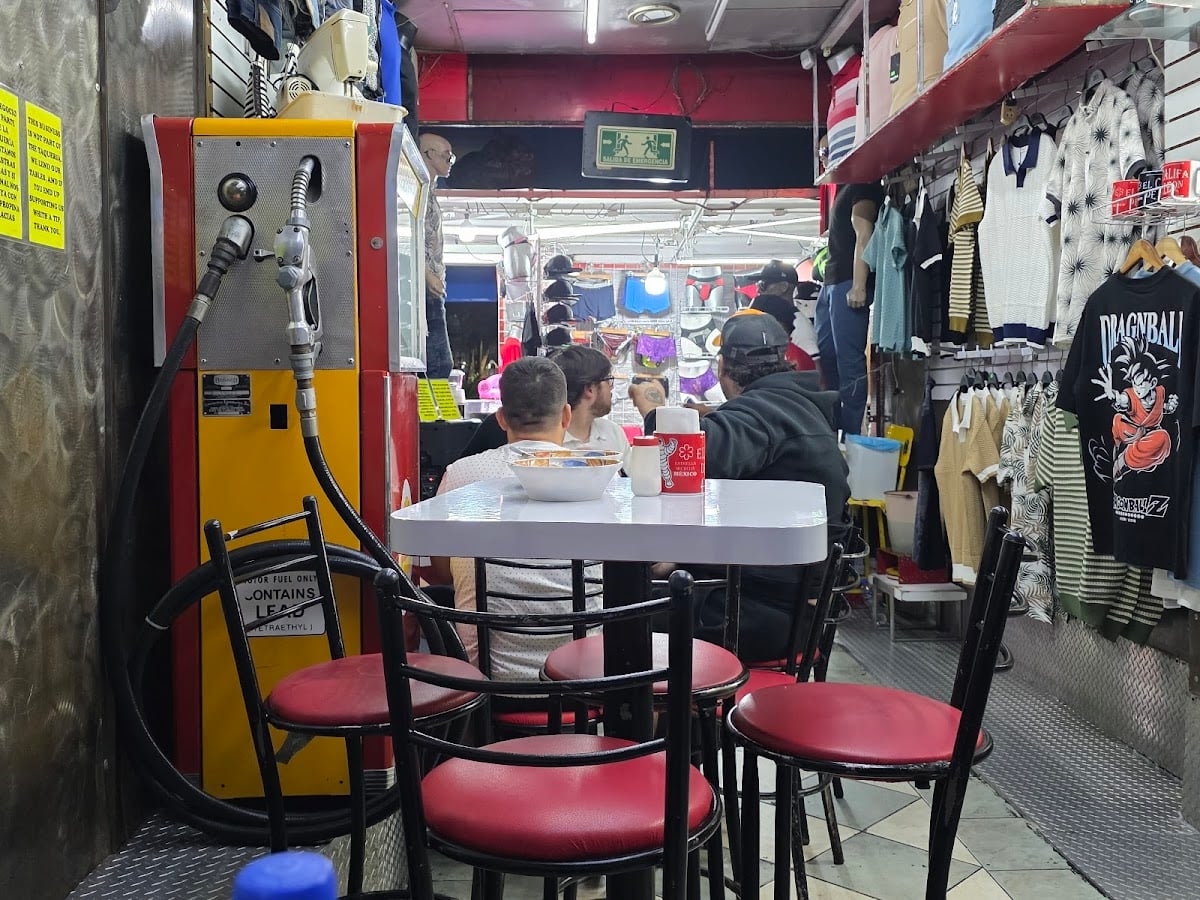
El Califa de León
El Califa de León in Zona Rosa is now Michelin-starred — the only taquería in Mexico to hold that distinction — and has done so while keeping exactly the same counter, the same plastic stools, the same three-item menu it has offered for forty years. The taco de bistec is the foundation of everything: thin-sliced sirloin cooked on a comal, folded into a small corn tortilla, dressed with onion and cilantro if you want them, a green salsa that has the focused heat of a well-placed argument. The comal is the room's altar, the taquero its priest. The Michelin star brought queues but has changed nothing about the food or the experience. Arrive at noon when the meat is freshest, stand at the counter, eat three tacos in rapid succession, and leave before sentiment sets in. Perfection doesn't require modification.
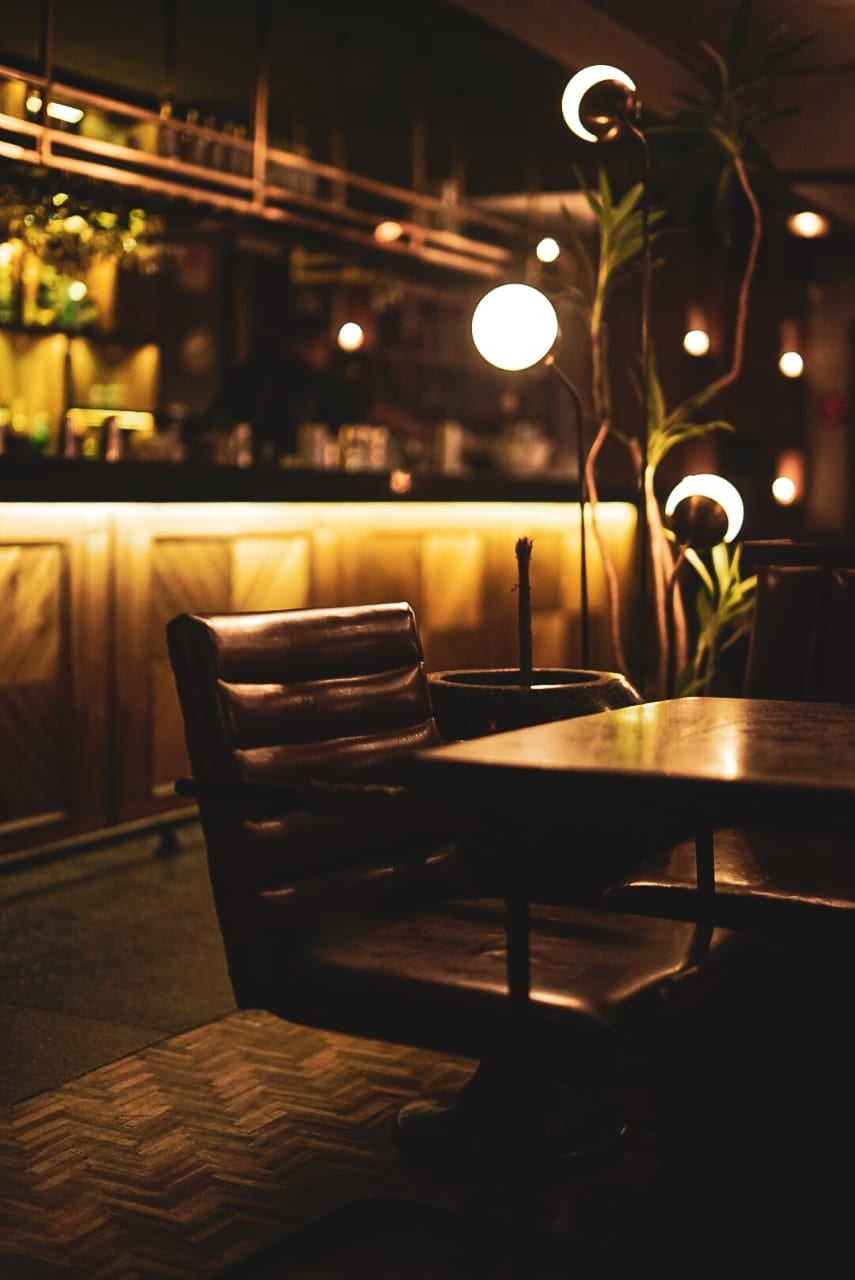
Departamento
Departamento on Tamaulipas is Condesa's most precise mezcal bar — a narrow, low-lit room that could be a very well-curated apartment in a building you wished you lived in. The back bar holds somewhere between eighty and a hundred mezcals, organized by region and agave variety, and the staff can walk you through the entire taxonomy with the kind of fluency that comes from actual obsession. The snack menu is compact and excellent: quesillo with guajillo oil, tostadas with frijoles and chicatana ants, a small bowl of caldo de pollo that appears mysteriously appropriate after the third mezcal. Music is carefully chosen — low, not intrusive, slightly melancholic in the right way. On weekend nights the room fills to capacity with a crowd that dresses well and drinks slowly, which is the only correct way to drink mezcal.
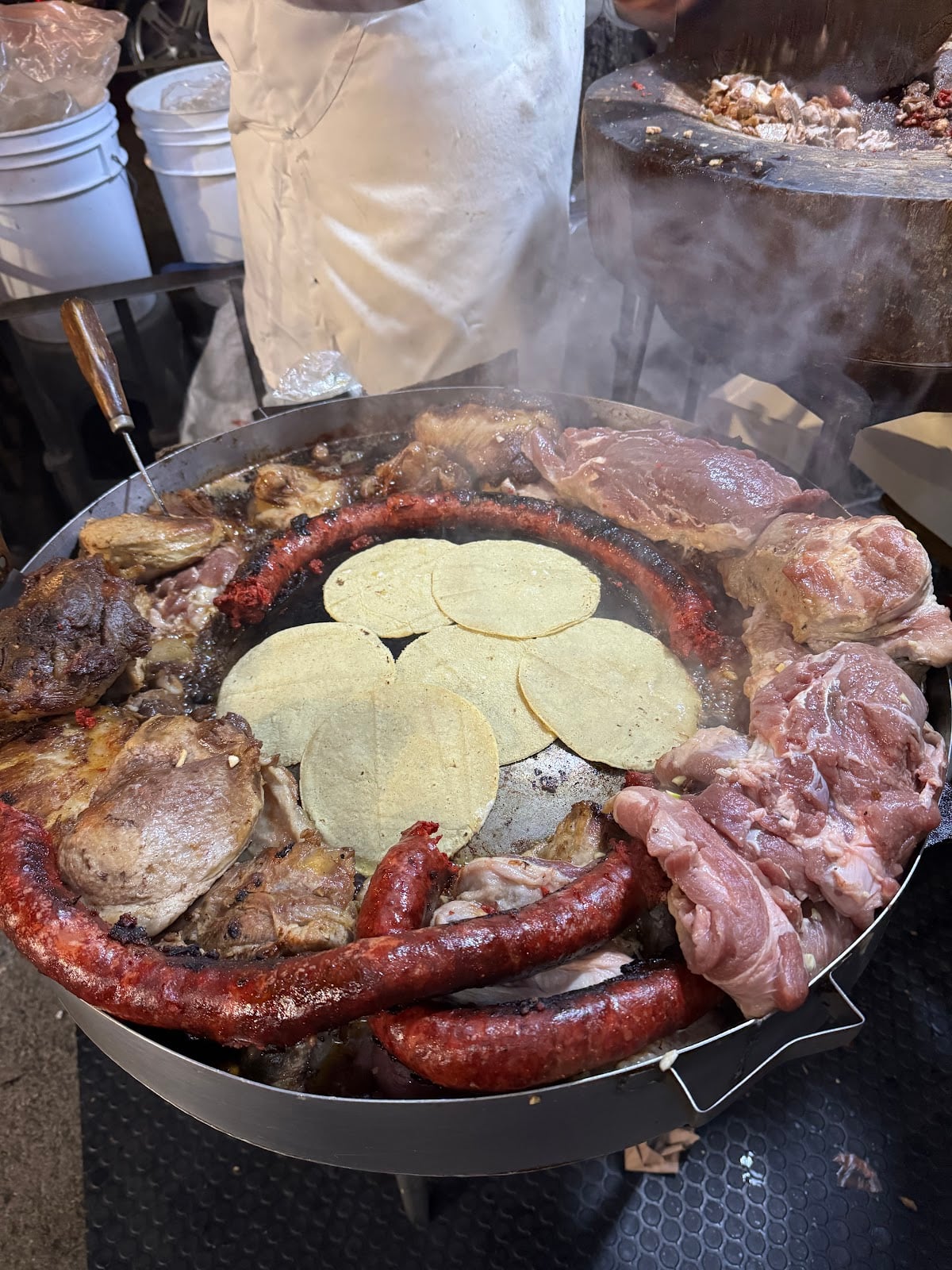
Late-Night Suadero Street Cart
Somewhere between midnight and two in the morning, when the mezcal bars are still full and the cocktails have been drunk, the street taco cart on the corner of Sonora and Insurgentes becomes the most important restaurant in Mexico City. The specialty is suadero — a cut of beef from the flank cooked low and slow in its own fat in a wide copper pot, falling apart into tender, slightly crispy shreds that carry all the concentrated bovine depth of a long braise. The tortillas are fresh, pressed to order, and sized for exactly two bites. Salsa verde sits in a plastic container alongside sliced limes and a shaker of salt. There is no menu, no payment terminal, no name on a sign. You stand on the pavement in the warm night air, eat four tacos, hand over a folded note, and walk home through the empty streets feeling like the city has given you exactly what you needed.
Opens Google Maps with all 20 locations pinned
Get new guides in your inbox
Subscribe to the Mapita newsletter and receive handpicked city guides as soon as they're published. No spam, just great places.
Subscribe — it's freeFrequently Asked Questions
How do I open this guide in Google Maps? ▾
Tap the "Open in Google Maps" button and all 20 places will appear as pins in the Google Maps app. You can save the list to your account for offline access.
Can I use this guide offline? ▾
Yes! Once you save the Google Maps list to your account, the places are available even without internet. Download the offline map area in Google Maps before your trip.
How often is this guide updated? ▾
This guide was last updated on April 11, 2026. We regularly review and refresh our guides to ensure all places are still open and worth visiting.
Open in Google Maps
Get all 20 places from this guide pinned directly in Google Maps.
View 20 places on MapsOpens Google Maps with all 20 locations pinned
Get new guides in your inbox
Handpicked city guides delivered as soon as they're published. Free forever.