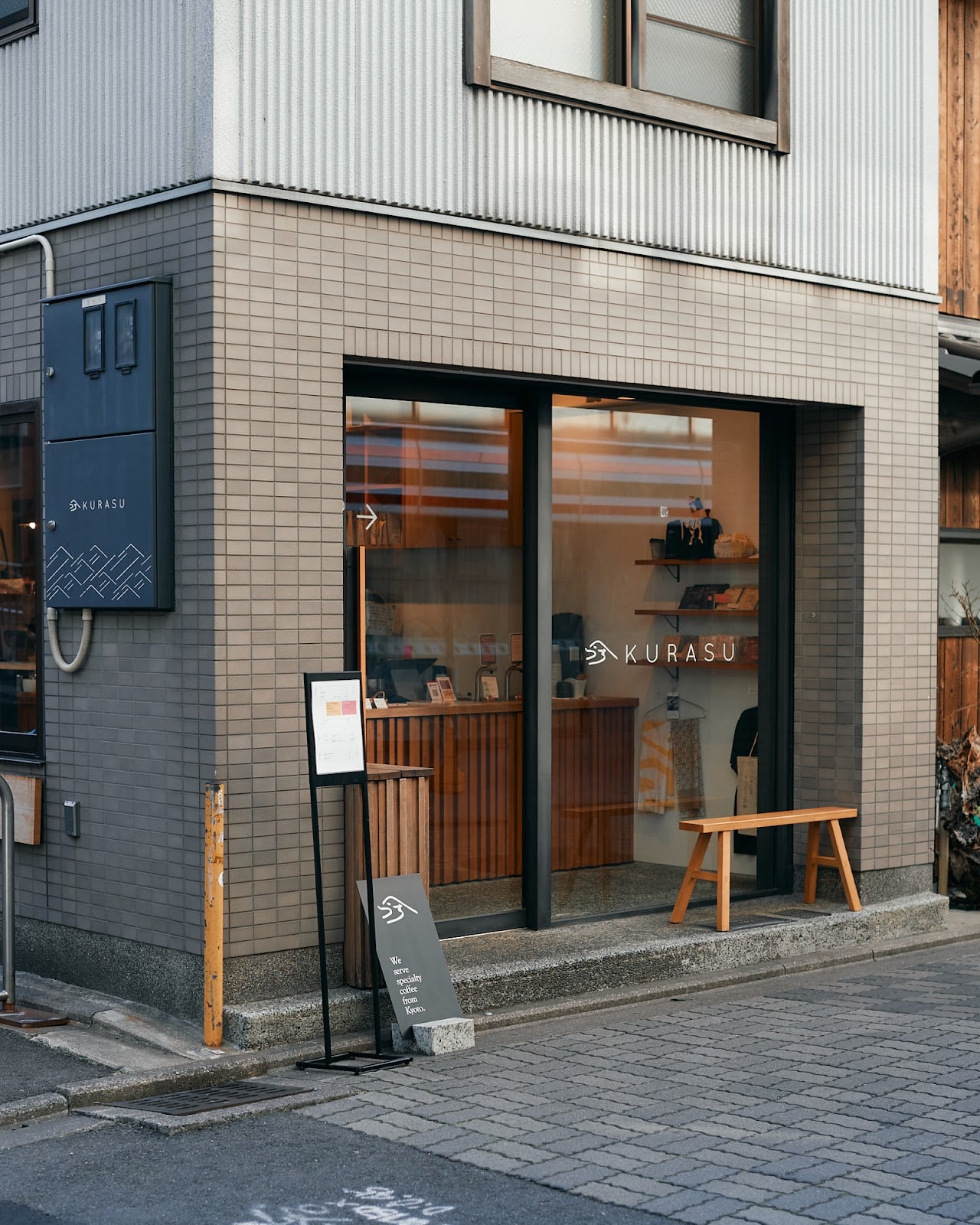
Kyoto: Dawn Temples, Kissaten & Craft
 Hana Nakamura
 Visão geral
Kyoto rewards the early riser with a silence that belongs to another century — fog-wrapped torii gates, gravel paths lit by a pale grey sky, and the distant clap of a lone worshipper before the tour buses arrive. Between temple visits, the city's kissaten culture pulls you into dim, wood-panelled rooms where coffee has been brewed the same way since 1947, served with white-gloved ceremony and a side of Satie on vinyl. By mid-morning, the streets of Nishiki Market crack open into a corridor of pickled plum, roasted mochi, and hand-sharpened steel knives that have been forged by the same families for generations. In the afternoon, ceramics glazed in ash and iron oxide glow in narrow gallery windows along Higashiyama, and bolts of Nishijin silk catch the light in workshops that feel more like museums. This guide takes you through a full Kyoto day — from the first trembling light on a fox shrine to a final cup of cold sake in the old brewery district of Fushimi — and everything unhurried in between.
Map
20 pinned placesLocais em destaque
Descubra os melhores locais deste guia cuidadosamente selecionado. Cada local foi visitado e verificado para garantir uma experiência autêntica e memorável.
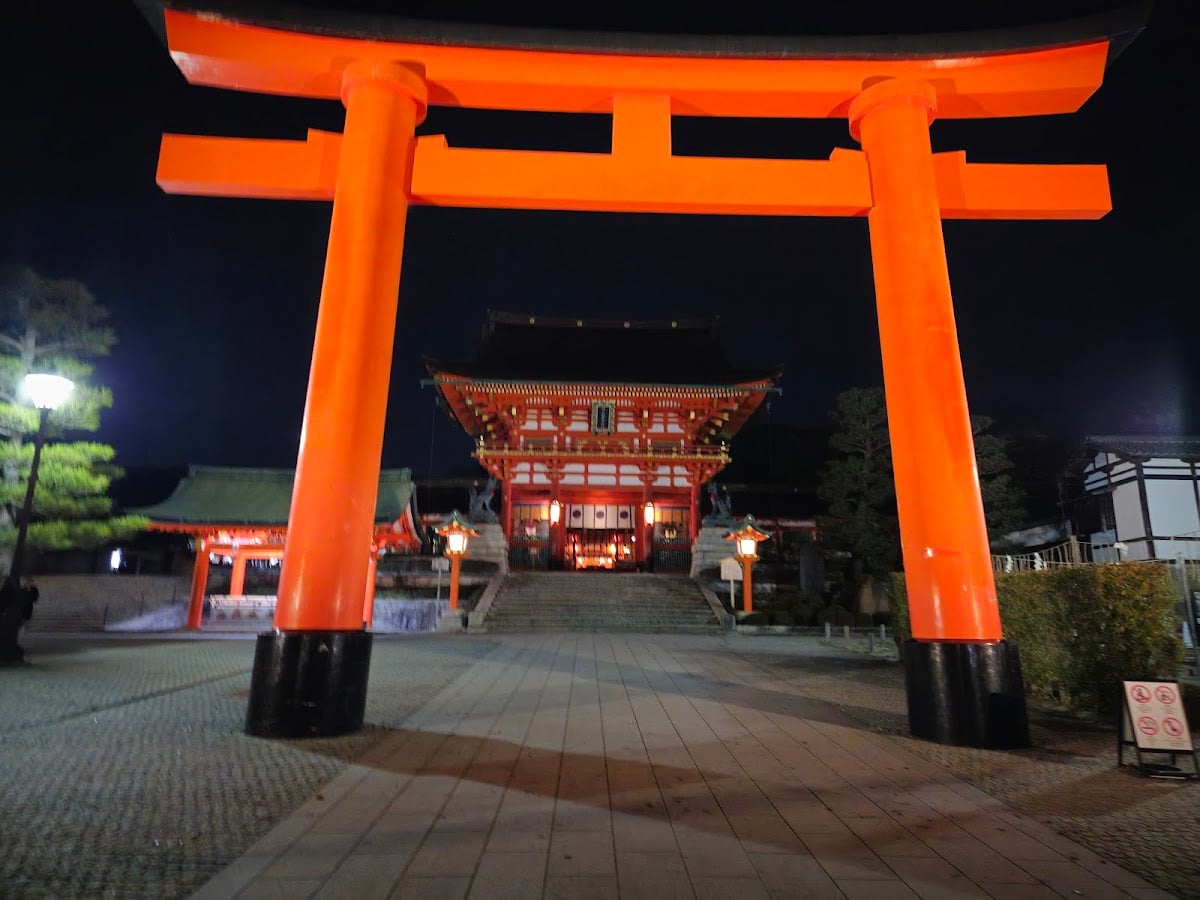
Fushimi Inari-taisha at Dawn
Arriving at Fushimi Inari before 6am is like stepping into a woodblock print that hasn't fully dried. The ten thousand vermillion torii gates ascend the mountainside in a compressed tunnel of colour, their lacquered surfaces still damp with overnight mist. At this hour, the only sounds are your own footsteps on stone and the occasional shake of a cedar branch overhead. Fox spirits — the messengers of the rice god Inari — watch from stone pedestals along the path, their features softened by centuries of moss and rain. By the halfway point, the city of Kyoto spreads out below in the early light, a grey-tiled sea bounded by dark hills. The further you climb, the fewer people you encounter, until the uppermost shrine feels like a private chapel at the edge of the world. Come down before 8am and the gates will still be yours.
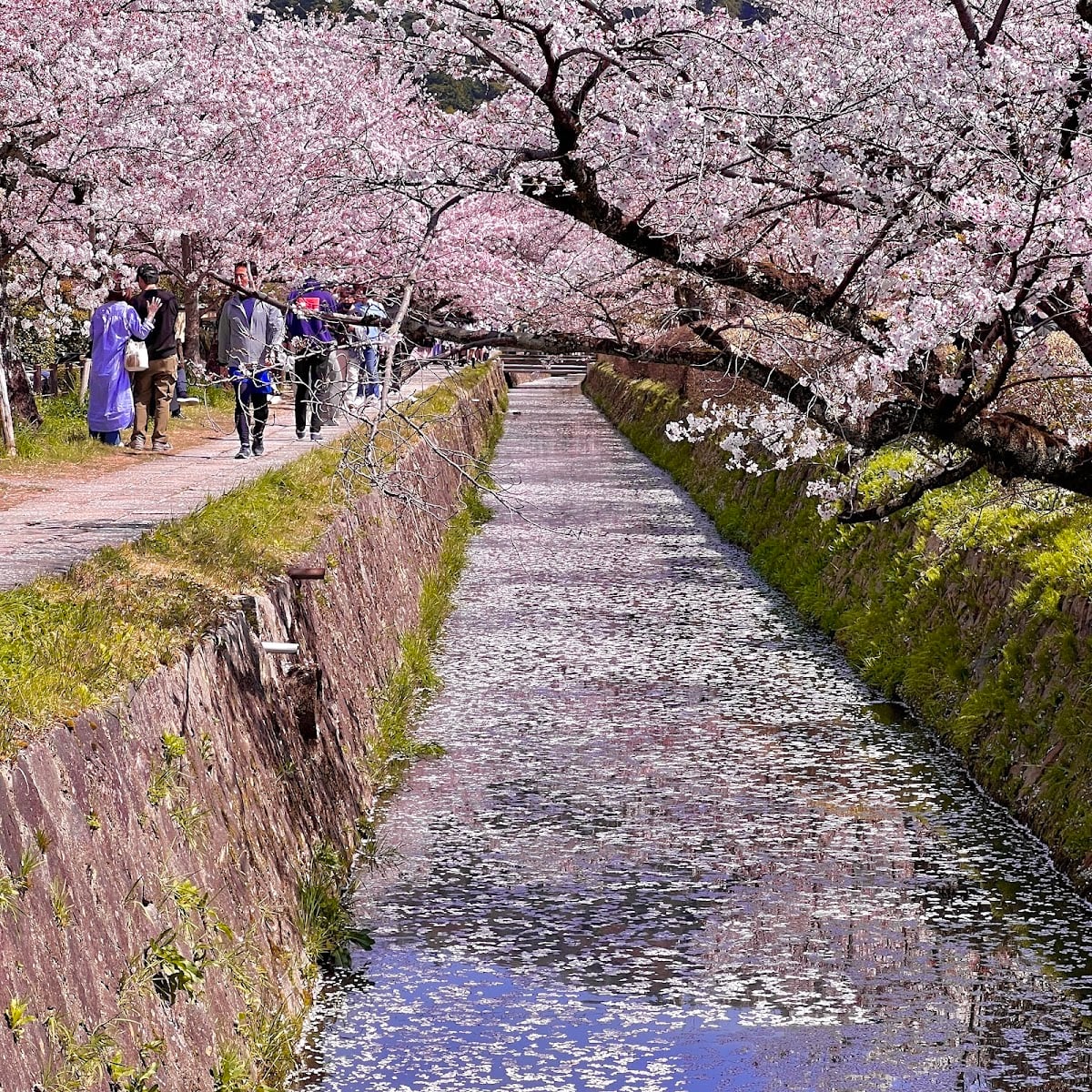
Philosopher's Path at Dawn
The Philosopher's Path is a two-kilometre canal-side walkway in northeastern Kyoto, lined on both banks by cherry trees whose roots grip the stone embankment like old fingers. In early morning, before the cafes open and the cyclists arrive, you walk it in near-total silence — only the water running beneath the wooden bridges and the occasional heron lifting from the reeds. The path takes its name from Nishida Kitaro, Japan's most important modern philosopher, who walked it daily from his home to Kyoto University, and there is something about the rhythm of the canal and the dappled shade that does, genuinely, promote a kind of loose, unhurried thinking. Autumn turns the maple leaves along the path into burning copper; spring covers everything in pale pink confetti that drifts into the water. At dawn, in any season, it is quiet enough to hear both.
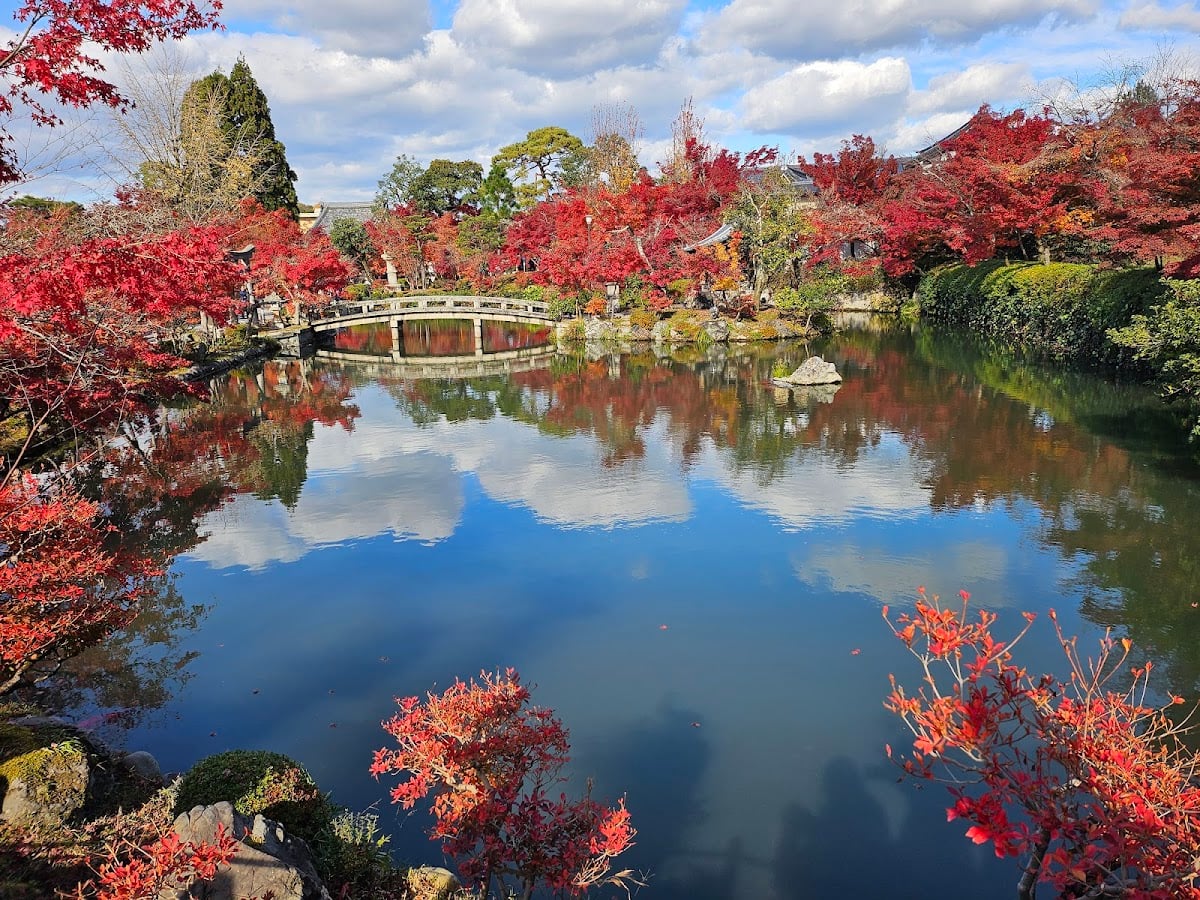
Eikan-do Zenrin-ji Garden
Eikan-do belongs to the Jodo-shu sect of Buddhism, but what it really belongs to is the season of autumn — this is widely considered Kyoto's finest spot for momiji, the fiery red-orange maple leaves that transform Japanese hillside gardens into something almost painfully beautiful every November. The garden rises in tiers behind the main hall, connected by covered corridors that wind between ponds, stone lanterns, and ancient trees. A famous statue inside the main hall shows the Buddha looking back over his shoulder — a posture of compassionate return unique in Japanese Buddhism. The garden pond reflects the surrounding maples like spilled lacquer. In the early morning before crowds gather at the ticket gate, you can stand at the water's edge and feel the particular stillness that defines Kyoto's best moments: beauty so concentrated it becomes a kind of pressure.
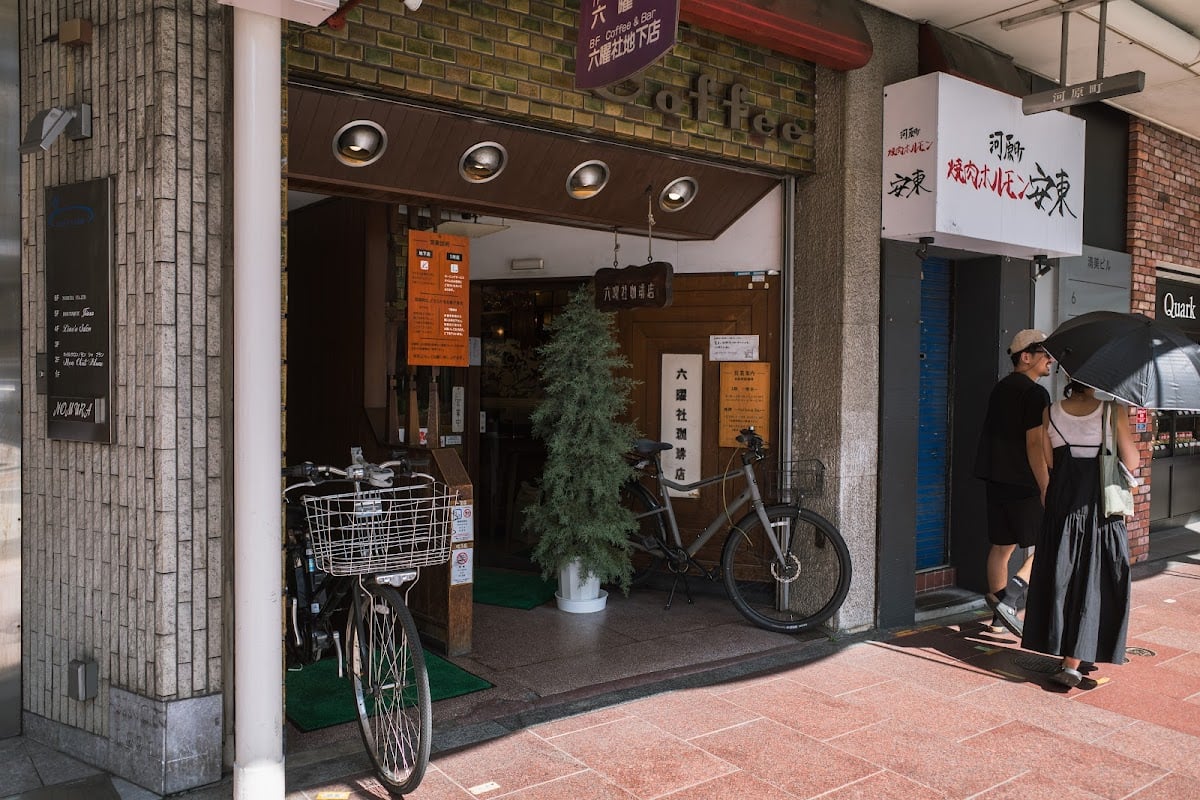
Kissaten Six (Sanjo Area)
Kissaten Six sits on a quiet stretch near Sanjo, its frosted glass door and hand-written menu board easily missed if you don't know to look. Inside, every surface is dark — dark wood, dark lacquer trays, a bar counter worn smooth by fifty years of elbows and coffee cups. The owner, a compact man who does not smile easily but whose coffee is something close to a declaration, has been roasting the same blend since the 1970s using a drum roaster that takes up half the back room. The cup arrives in silence on a small wooden tray alongside two sugar cubes and no instructions. The coffee is deep, slightly bitter at the finish, with an aftertaste of roasted grain that lingers long after you've paid the 550 yen. A kissaten is not a cafe in the modern sense — there is no music beyond whatever the owner has chosen, no Wi-Fi, no oat milk. It is a room for sitting still, which is exactly what you need after a dawn temple walk.
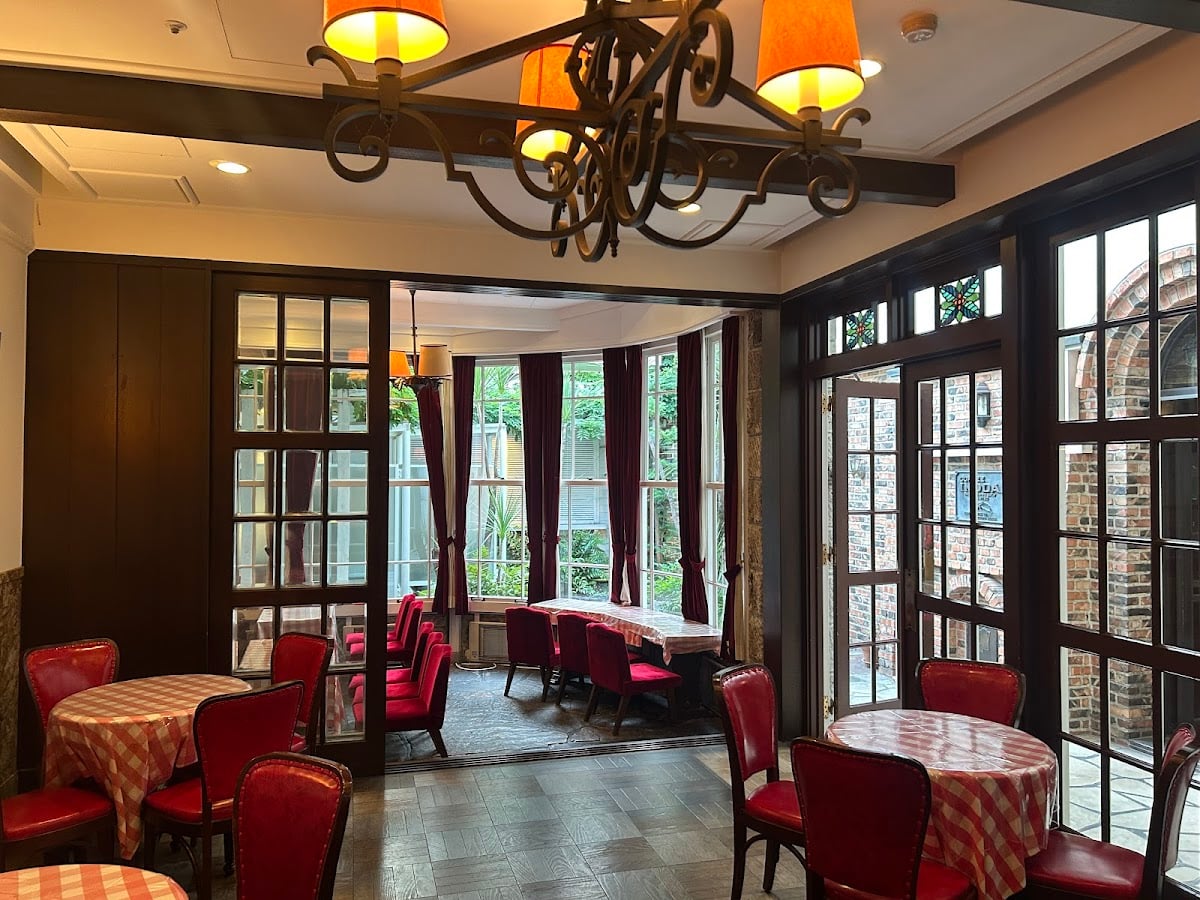
Inoda Coffee (Historic Kissaten)
Inoda Coffee opened in 1947 in the narrow lanes just west of Nishiki Market, and it has changed so little in the intervening decades that walking in feels like crossing a time threshold. The main room has high ceilings, white-jacketed waitstaff, round tables set with proper linen, and a particular amber light that seems to come from another era entirely. The house blend — Arabia no Shinju, Pearl of Arabia — is served pre-sugared and pre-creamed unless you specify otherwise, a tradition from the early postwar years when coffee was a luxury and the owner wanted every cup to be perfect from the first sip. The menu also includes proper morning sets: egg salad sandwiches on crustless white bread, a small salad, orange juice. Locals in their seventies sit at corner tables reading newspapers. It is, without qualification, one of the best places to have breakfast in Japan.
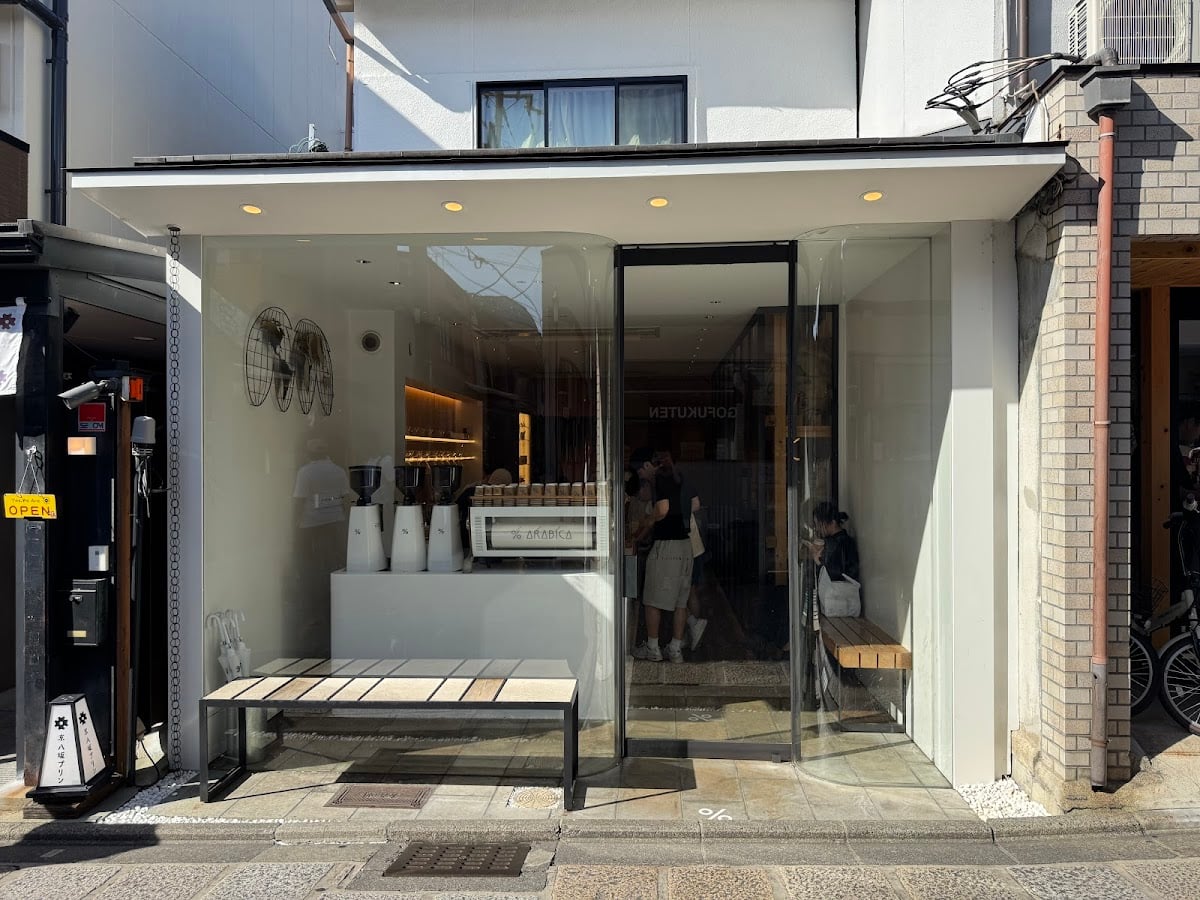
% Arabica Higashiyama
% Arabica occupies a converted storehouse in Higashiyama with such restrained elegance — whitewashed walls, a single La Marzocca espresso machine, bags of single-origin beans stacked like textbooks — that it almost feels too self-aware. And yet the coffee is genuinely exceptional: a flat white made with beans from the company's own farm in Uji pulls clean and sweet with a caramel undertone that justifies every architectural choice in the room. The queue forms before opening most mornings, particularly on weekends, but it moves quickly. The location is deliberately cinematic — stone-paved Ninenzaka is just outside, and the old machiya townhouses lean together across the lane while steam rises from your cup. Order a pourover if you have the time; the ritual of it, performed here with choreographic seriousness, is part of the experience.
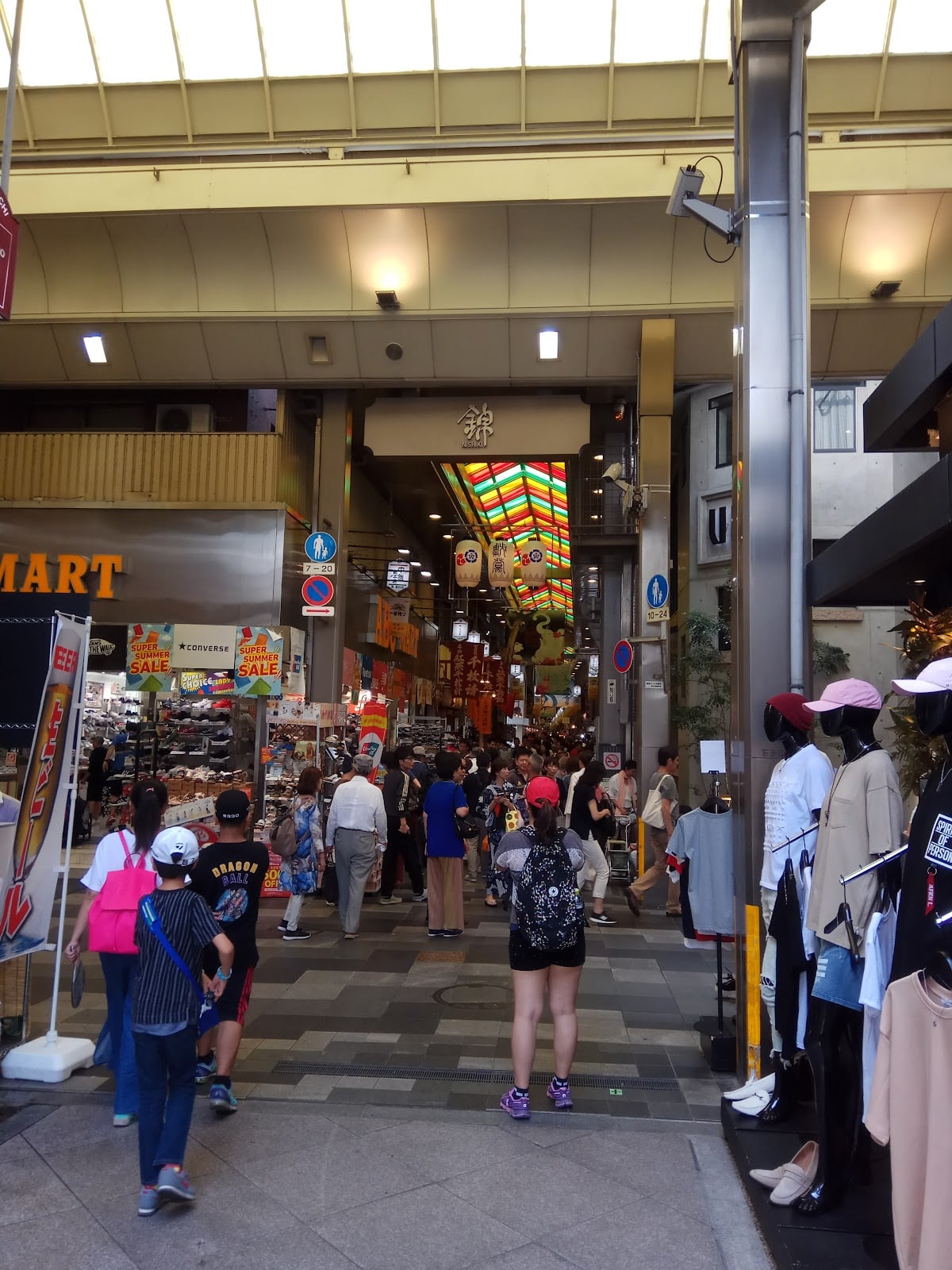
Nishiki Market Walk
Nishiki Market is five blocks long, covered by a low arcade roof, and so densely packed with food stalls and specialty shops that navigating it slowly — the only correct speed — requires a kind of deliberate zigzag. Called Kyoto's Kitchen for centuries, it feeds the city's restaurants and households alike: pickled vegetables in every colour brined in rice bran or sake lees, fresh tofu still warm from the morning press, skewers of grilled octopus, chunks of yudofu in soy broth, and the street-snack staple of tako tamago — a baby octopus with a quail egg stuffed inside, lacquered with sweet soy. The market has operated here since the Heian period, when it was a wholesale fish market serving the imperial palace. Today the stalls are smaller, more tourist-aware, but the serious shops — the picklers, the knife-makers, the tea houses — remain, and they repay attention. Go mid-morning on a weekday when the crowd is mostly local.
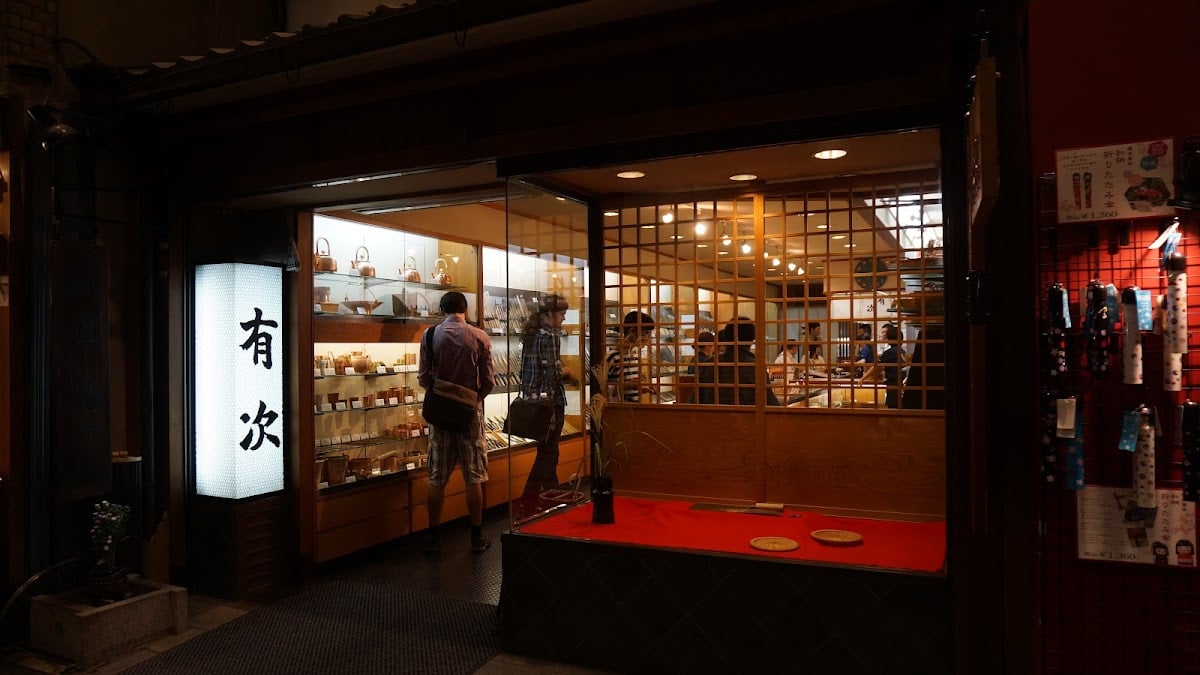
Aritsugu Knives (Nishiki Market)
Aritsugu has been forging blades in Kyoto since 1560, initially making swords for the imperial court before pivoting, as the samurai era closed, to the more enduring market of kitchen knives. The shop inside Nishiki Market is small and serious: glass cases hold gyuto chef's knives, deba fish filleters, yanagiba slicers, and usuba vegetable knives — each forged from high-carbon steel and finished by hand. The smell of iron and mineral oil is distinct. The staff will engrave your name in Japanese characters on any blade you purchase, a service performed with the same methodical care as the forging itself. A single good knife costs roughly 8,000 to 30,000 yen depending on steel grade and handle wood. Watching the craftsman at the back demonstrate edge sharpness by shaving paper is quietly mesmerising. This is not a souvenir shop; it is a working forge that happens to have a retail counter.
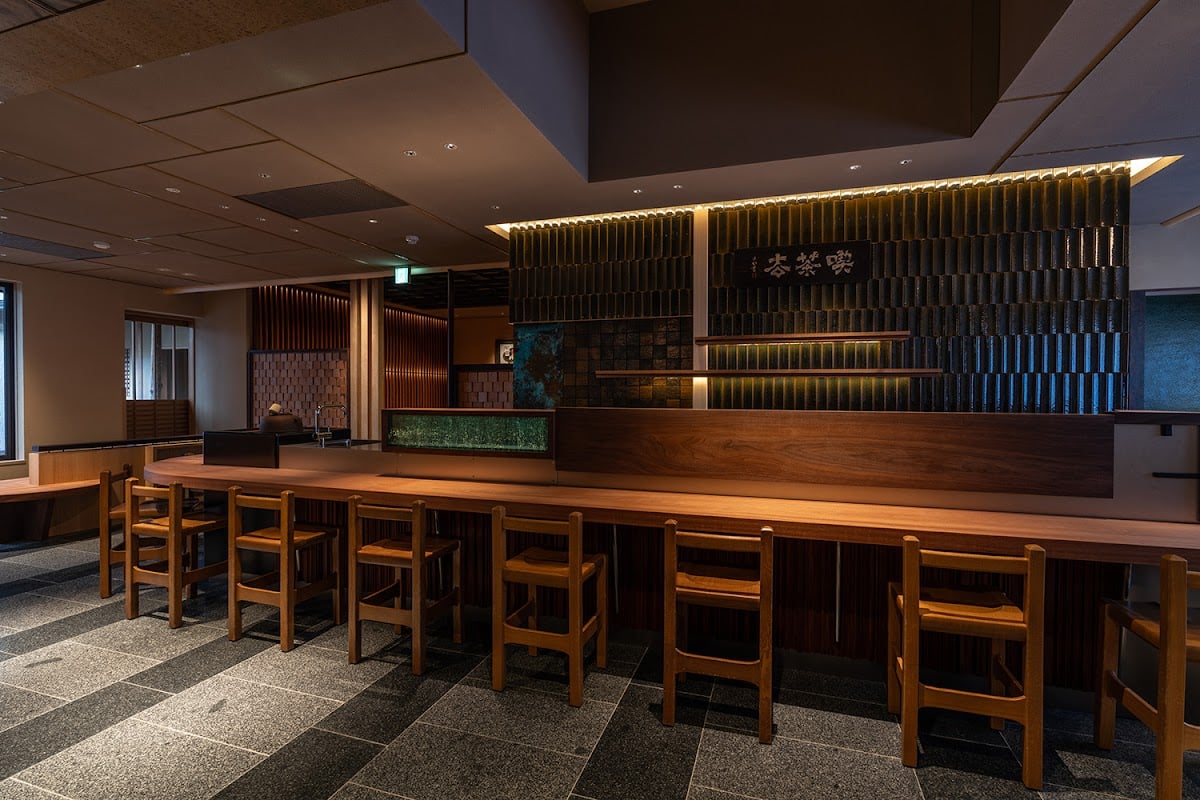
Ippodo Tea (Teramachi)
Ippodo has supplied Kyoto with matcha, gyokuro, and sencha since 1717, and its Teramachi flagship occupies a long, low machiya with a shop floor that smells like a forest floor after rain — vegetal, grassy, slightly sweet. The staff will walk you through the grades of matcha from ceremonial-grade (deep green, finely milled, intensely umami) to everyday cooking grade, and recommend the right whisk technique if you're buying for home use. The adjoining tea room serves bowls of matcha prepared tableside with a chasen whisk alongside wagashi sweets — seasonal confections of bean paste and rice flour moulded into forms that reference whatever is currently blooming outside. A bowl of thick koicha matcha here, made with twice the normal amount of powder, is one of the most concentrated flavour experiences Kyoto offers. Buy a small tin of their Ummon blend to take home; nothing from an airport duty-free will come close.
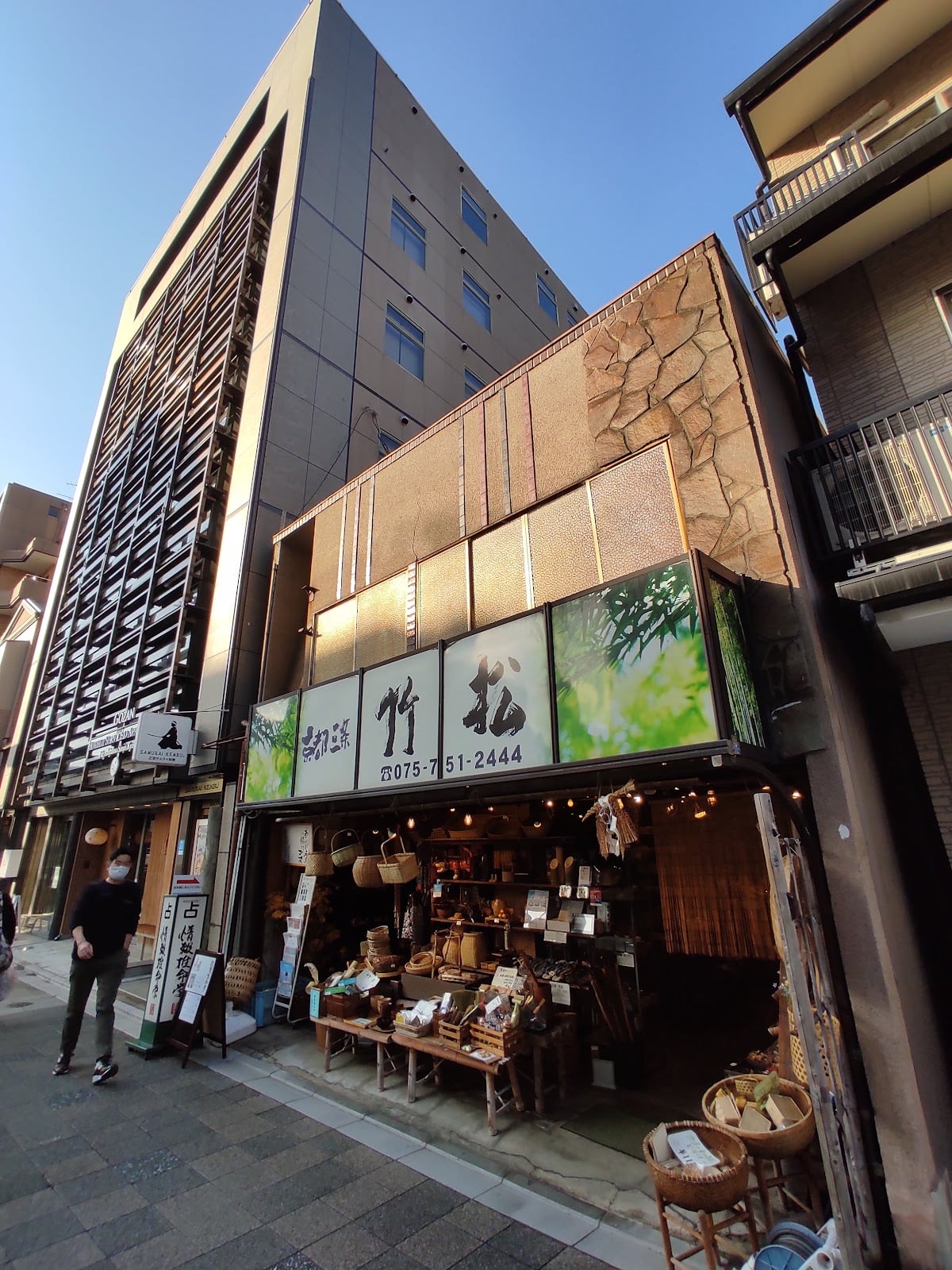
Kagoshin Bamboo Crafts
Kagoshin is one of the last traditional bamboo craft workshops operating in central Kyoto, located in a Gion side street whose width has not changed since the Edo period. The workshop produces baskets, tea ceremony implements, and flower-arranging tools from Kyoto-grown bamboo, each piece woven by hand using techniques passed down within the family for six generations. The smell inside is particular: fresh-cut bamboo, rice paste used in traditional joinery, and something older beneath it — a woody, slightly sweet damp that belongs to craft spaces undisturbed by air conditioning or renovation. The owner speaks little English but will demonstrate the weaving technique for interested visitors, his fingers moving faster than seems possible given the precision of the interlocking bamboo strips. Prices are steep for the complex pieces — a single flower basket can run 15,000 yen — but the smaller items, chopstick holders and tea scoops, are affordable and made to the same standard.
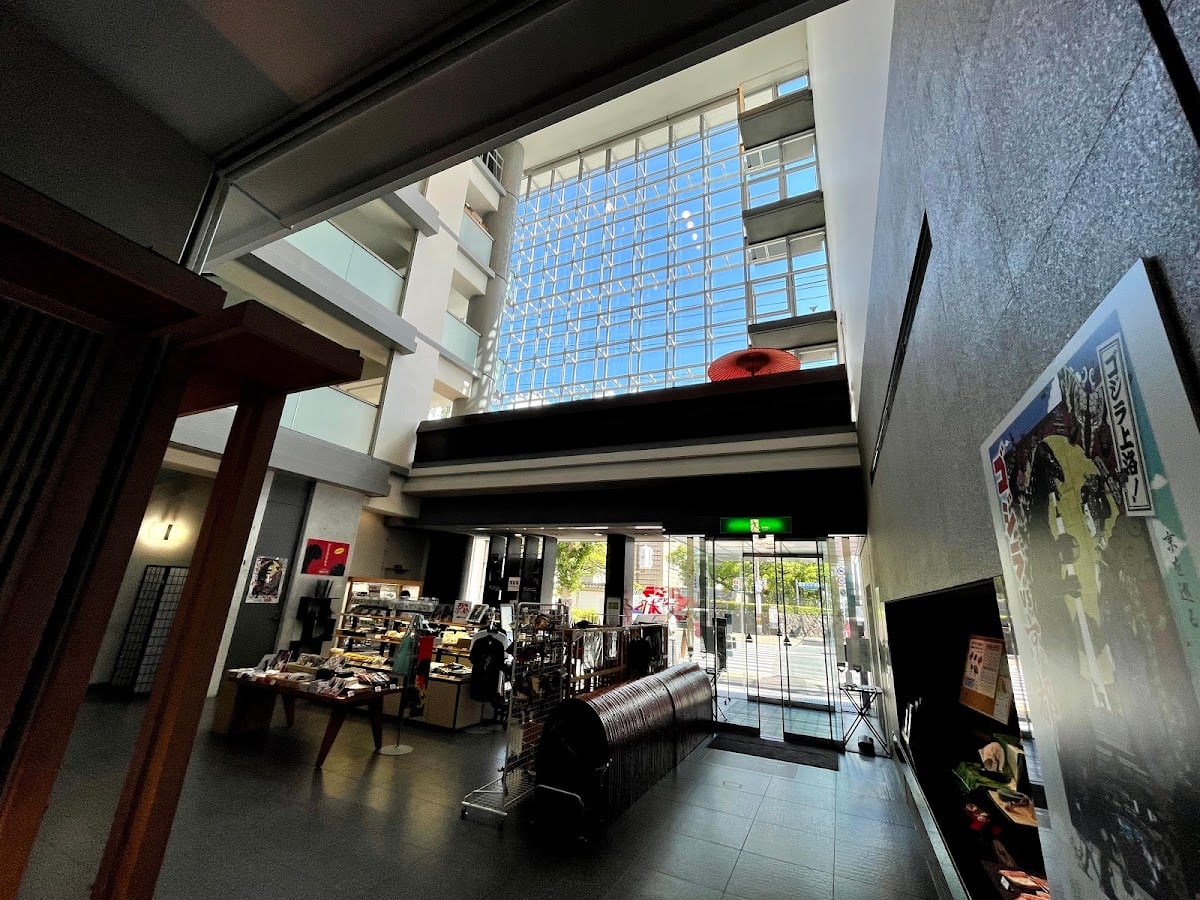
Kyoto Handicraft Center
The Kyoto Handicraft Center near Heian Shrine is a seven-floor institution that has been introducing international visitors to Kyoto's craft traditions since 1964 — the year of the Tokyo Olympics and Kyoto's emergence as a cultural tourism destination. It is less precious than the small workshops elsewhere in this guide, but considerably more accessible: on-site artisans demonstrate Nishijin weaving, Kiyomizu pottery, woodblock printing, and lacquerware in real time, and the demonstrations are open to participation. The retail floors above carry work from hundreds of craftspeople across the city, curated with more care than a typical souvenir shop, and prices are fixed and fair. The printing workshop on the upper floor is particularly worthwhile — you can press your own design onto a fabric swatch using traditional woodblocks, a process that takes twenty minutes and produces something genuinely personal. Good for understanding the breadth of Kyoto craft before going deeper into the specialist shops.
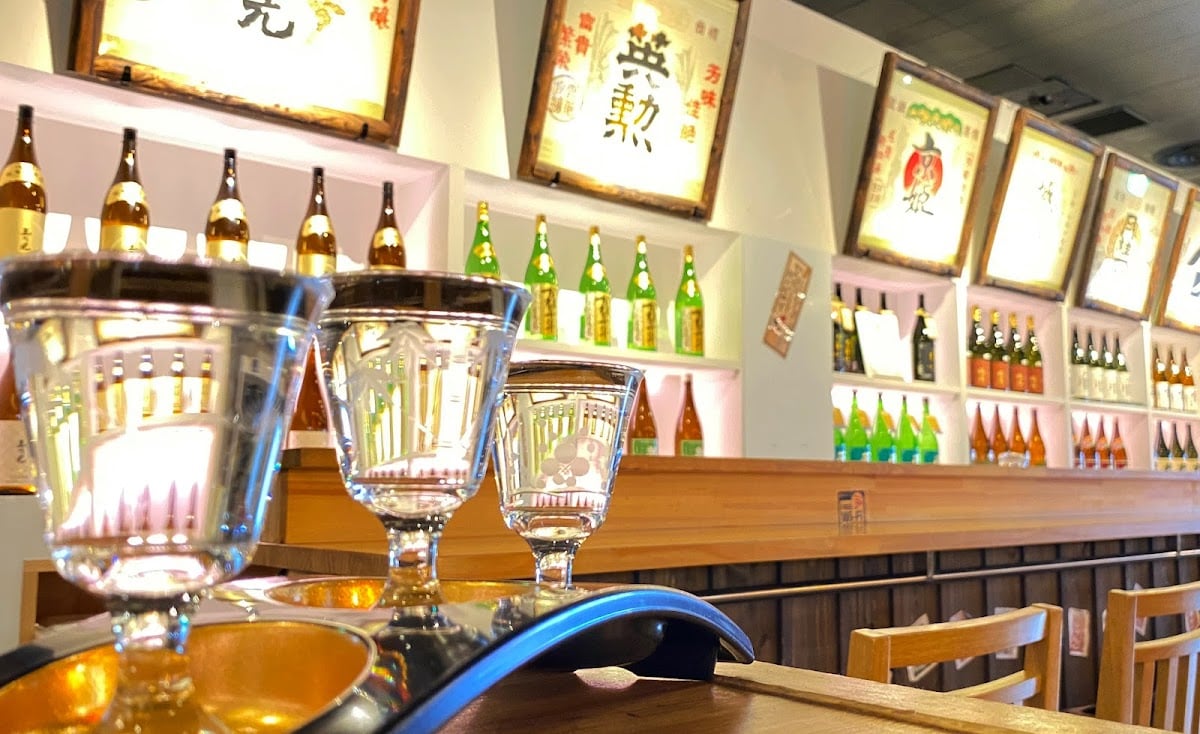
Fushimi Sake Brewery District
The Fushimi district in southern Kyoto sits atop an aquifer fed by water filtered through the Momoyama hills — water so soft and pure that it has been producing some of Japan's finest sake for over four hundred years. The brewery street, Sakaemachi-dori, runs between white-walled kura storehouses whose cedar barrel markers (sugidama) hang over doorways turning from green to brown as each year's brewing season progresses. Gekkeikan, one of Japan's largest sake producers, maintains a museum and tasting room here where you can sample five or six varieties — from dry junmai daiginjo to sweeter nigori cloudy sake — for a few hundred yen. The neighbourhood also contains smaller artisan breweries that produce micro-batches of seasonal sake served only on-site. Walking the street mid-afternoon, when the light cuts between the kura walls and the smell of fermenting rice drifts across the canal, is one of the quieter pleasures of Kyoto.
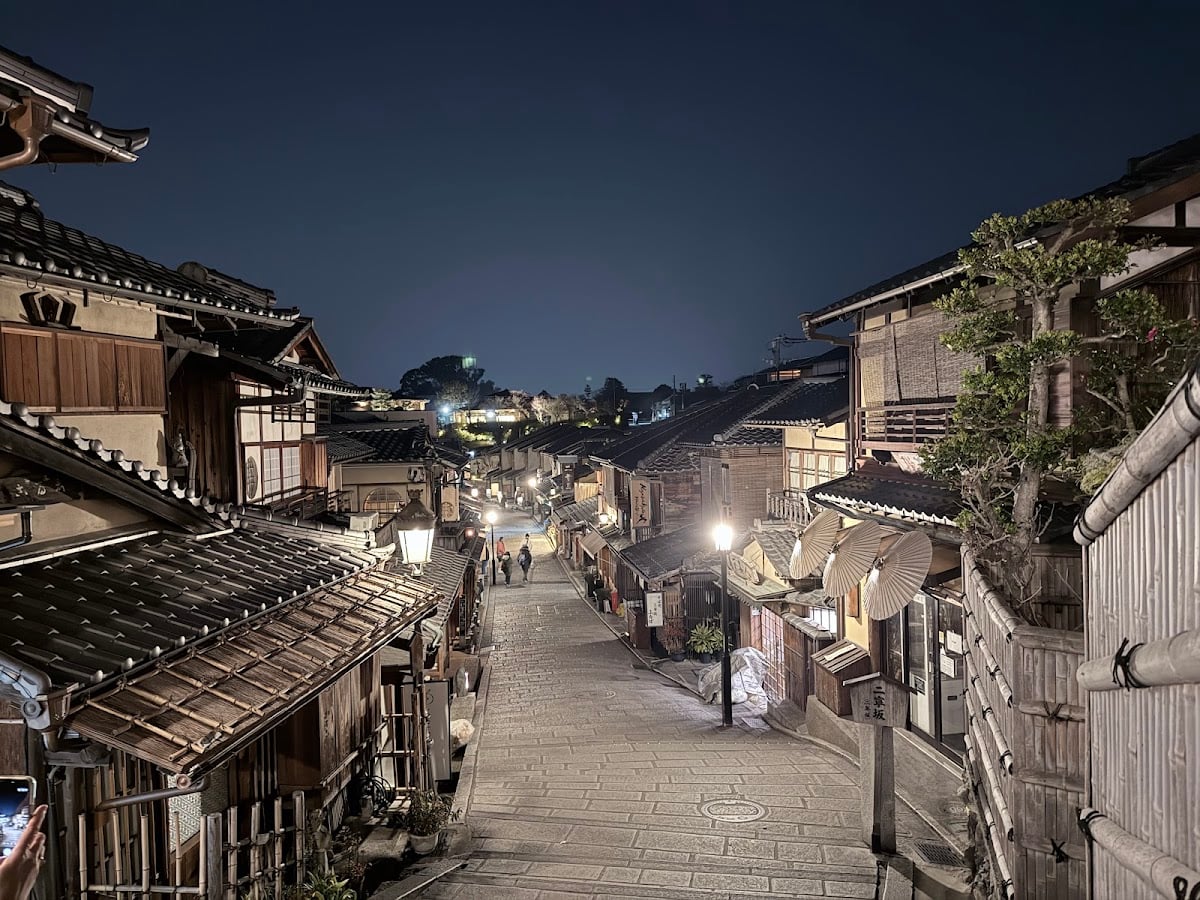
Pontocho Alley at Evening
Pontocho is a single narrow lane running north-south between the Kamo River and Kawaramachi-dori, perhaps four hundred metres long and barely wide enough for two people to pass comfortably. In the evening it becomes one of the most atmospheric streets in Japan: paper lanterns glow amber above wooden restaurant facades, yukata-clad groups navigate the flagstones in single file, and the river beyond the east ends of the cross-alleys catches the last of the sky's colour. The restaurants range from quiet standing sushi bars at the street's northern end to expensive kaiseki ryori houses where courses arrive over two hours and the bill arrives as a surprise. Most visitors come to eat, but the real pleasure of Pontocho is simply walking its length slowly, twice, and registering how many different worlds exist side by side in four metres of width. In summer, restaurants build wooden platforms — kawayuka — over the Kamo River, and you can eat suspended above water still lit from the reflection of the opposite bank.
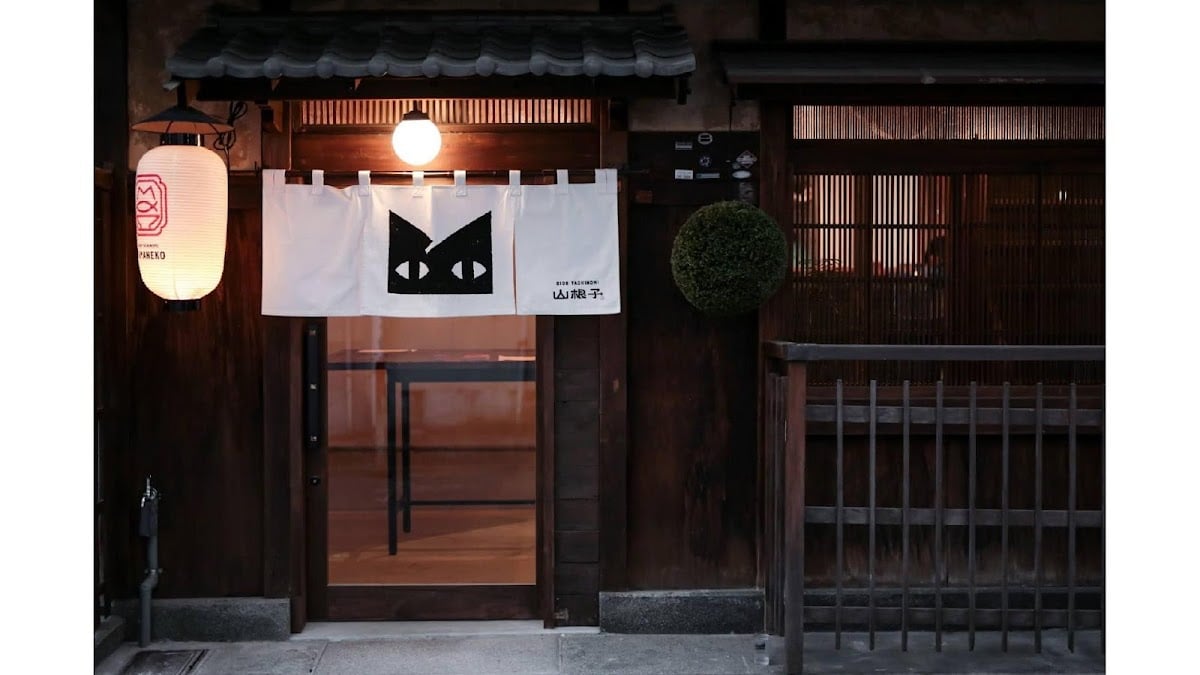
Gion Izakaya (Gion District)
Hidden among the machiya townhouses and ochaya teahouses of Gion, a handful of unmarked izakaya serve the neighbourhood's working residents — geiko, craftspeople, shopkeepers — rather than the tourism circuit, and they are identifiable mainly by the warmth of their interior light visible through a noren curtain at the door. A typical evening here begins with cold Kizakura draft, a locally brewed Fushimi lager, followed by small plates: agedashi tofu trembling in dashi, a ceramic bowl of pickled daikon and radish, skewers of grilled chicken hearts and thigh. Conversation at adjacent tables is entirely in Kyoto-ben, the city's distinctive dialect with its particular softening of consonants. The best of these places seat perhaps twelve people and serve until the sake runs out, which in practice means midnight. Finding one requires walking slowly and looking for the character 居酒屋 above a door that has no English sign — a reliable indicator of exactly the right place.
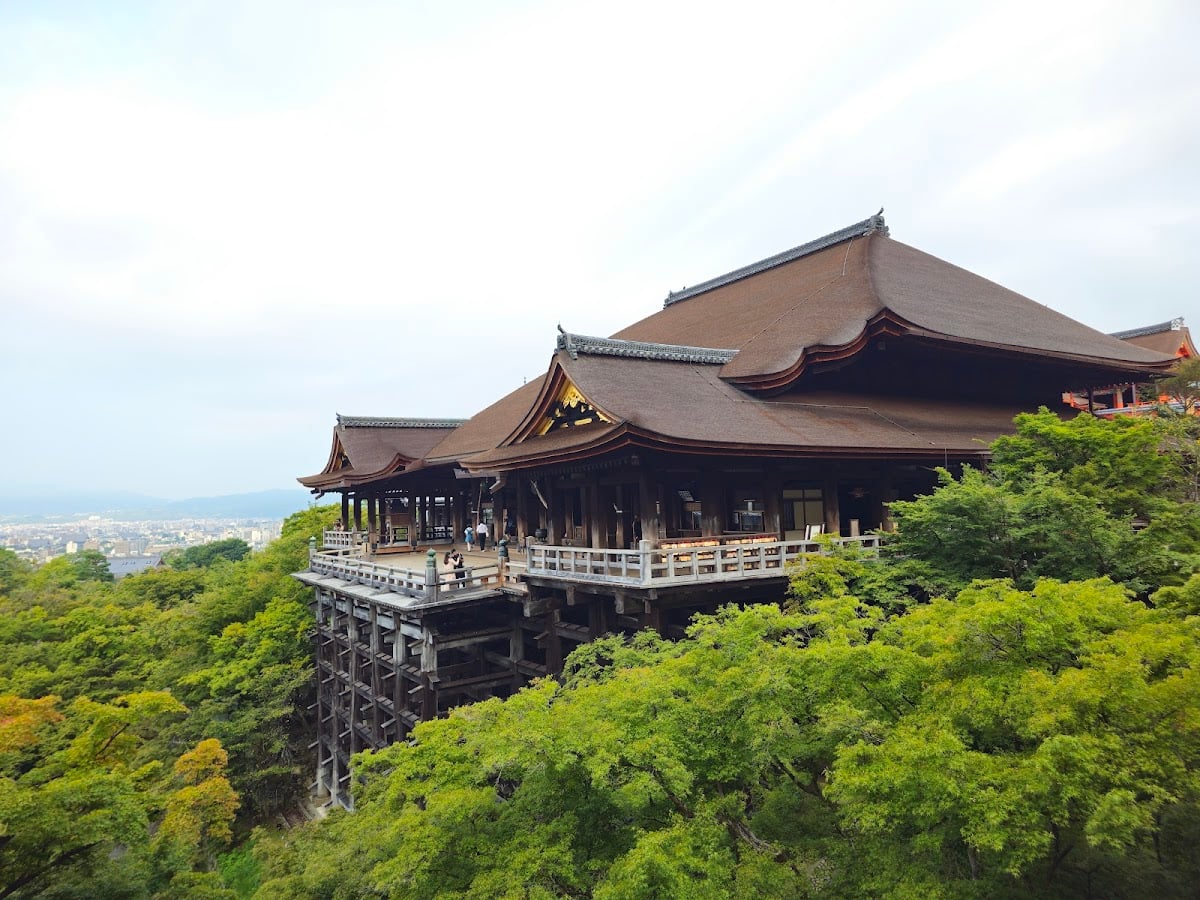
Kiyomizudera Temple (Morning)
Kiyomizudera — the Temple of Pure Water — clings to a cliff on the eastern hills of Kyoto, its famous wooden stage cantilevered eighteen metres above the hillside on a lattice of interlocking zelkova pillars assembled entirely without nails. The temple is most famous, and most crowded, in the afternoon; arriving before 8am changes the experience completely. Morning mist fills the valley below the stage, and the city spreads beyond it in layers of grey and green that gradually brighten as the sun clears the hills to the east. The approach up Chawan-zaka and Sannenzaka — cobblestone lanes lined with craft shops and teahouses, still shuttered at this hour — is quiet enough to hear your footsteps echo. The Otowa waterfall at the temple's base has three streams whose waters are said to confer longevity, scholarship, and love respectively; drink from one only, the monks say, as drinking from all three is considered greedy.
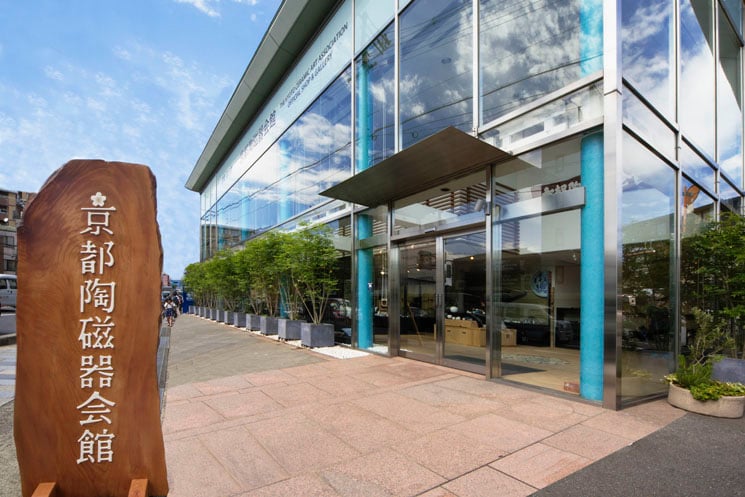
Higashiyama Ceramic Shops
The Higashiyama sando — the stone-paved approach road running south from Chion-in toward Kiyomizudera — is lined on both sides by galleries and workshops selling Kiyomizuyaki pottery: the loose collective term for the Kyoto ceramic tradition characterised by refined forms, layered glazes in ash-grey or iron-red, and a restraint that feels almost architectural. The best shops are the small ones — a single room with work arranged on unpainted wooden shelves, pieces priced between 800 yen for a small sake cup and 40,000 for a large serving bowl — where the potter is often present and will explain, in careful English or patient mime, how the particular crackle glaze on a teacup was achieved. Unlike mass-produced pottery sold elsewhere in tourist Kyoto, these pieces are irregular in the ways that indicate hand-throwing and wood firing: slight asymmetry in the rim, a splash of glaze that ran slightly further than intended, surfaces that reward extended looking.
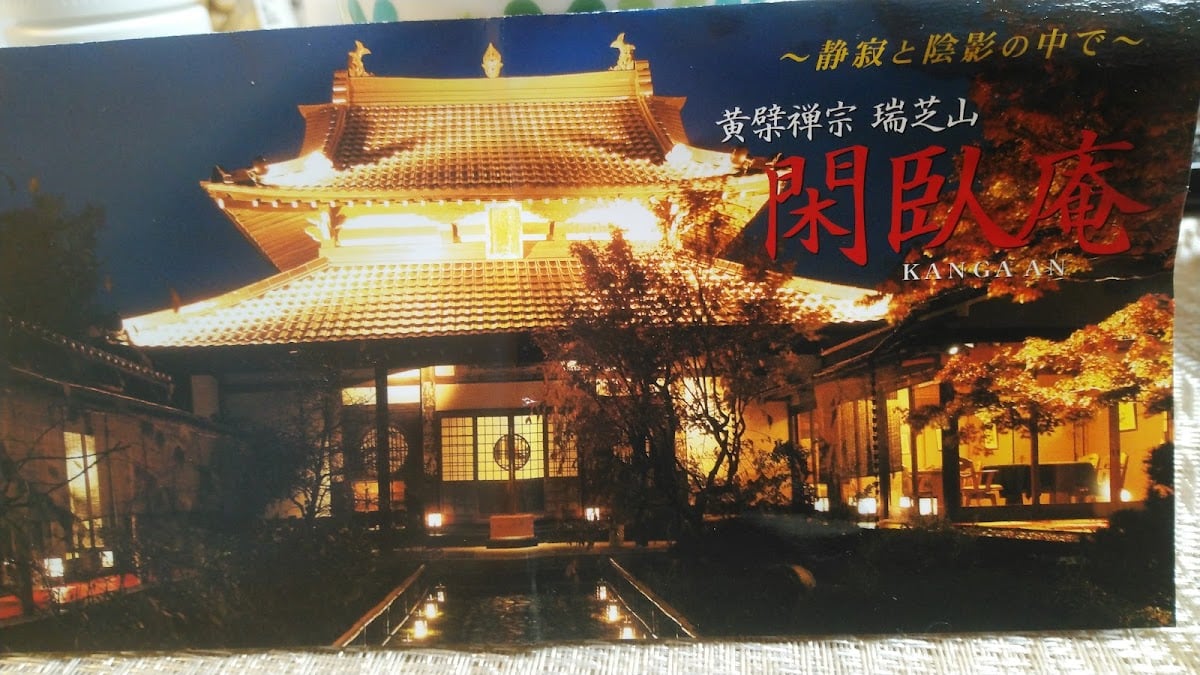
Kanga-an Temple Garden (Tofu Kaiseki)
Kanga-an is a small Rinzai Zen temple in the quiet northern neighbourhood of Murasakino that operates one of Kyoto's most unusual restaurants: a tofu kaiseki course served in the garden pavilion between late spring and early autumn, and in the low-ceilinged interior rooms during winter. The meal unfolds over eight to ten courses, each one a variation on the theme of Kyoto's celebrated tofu — silken yudofu trembling in clear dashi, dengaku tofu grilled on cedar skewers over live charcoal and glazed with white miso, cold hiyayakko dressed with grated ginger and bonito flakes, deep-fried agedashi in a fragrant broth. The garden outside is a dry rock composition raked daily by the temple monks. You eat slowly and quietly, surrounded by the smell of moss and incense from the main hall. It is the kind of meal that makes everything eaten before it seem slightly coarse by comparison.
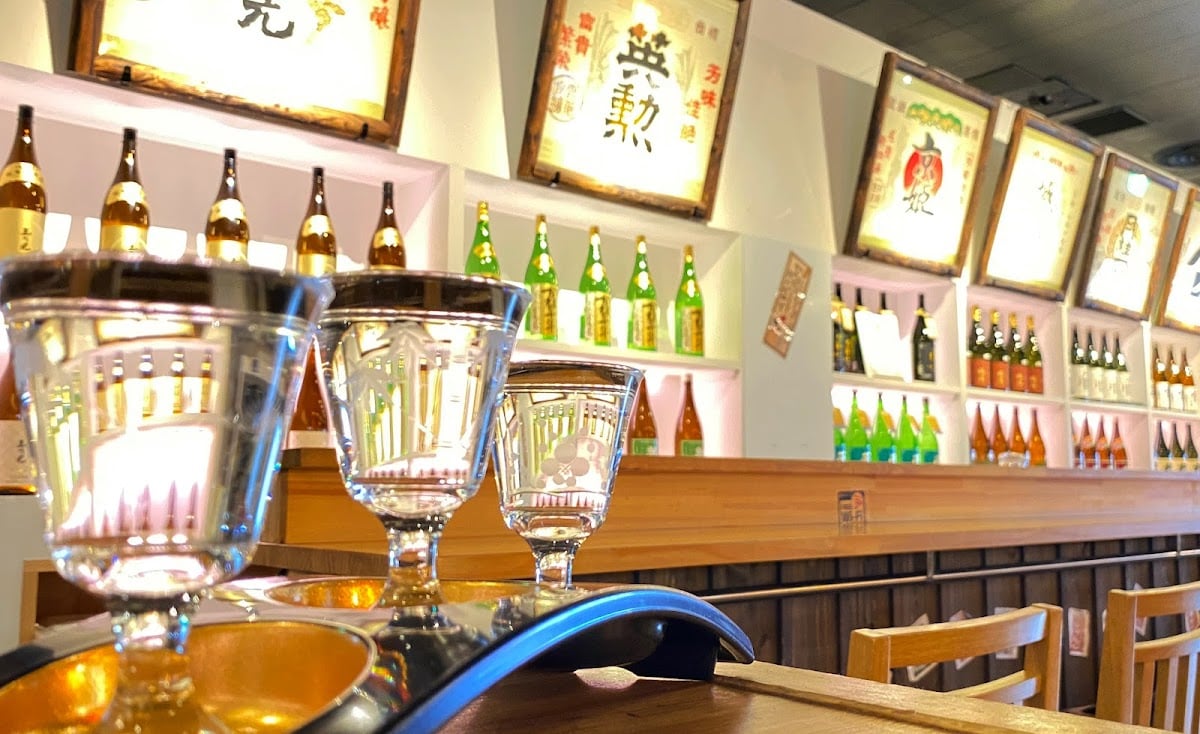
Sake Bar in Fushimi District
After touring the Fushimi brewery storehouses by day, the neighbourhood's standing sake bars come alive in the early evening with brewery workers and regulars who have been coming since long before the area appeared in any travel guide. The format is simple: a narrow room, a zinc or lacquered wood bar, and a handwritten menu of fifteen to twenty sake varieties drawn from the surrounding breweries — listed by name, grade, and flavour profile in a script that assumes you know what you're reading. The owner, typically a woman who also pours at the Gekkeikan tasting room by day, will help you choose between a dry junmai ginjo and a sweeter, rice-forward honjozo without any condescension. Plates of pickled vegetables, grilled ginkgo nuts, and cold tofu appear without ordering. A good evening in Fushimi costs around 2,500 yen and leaves you with a refined, unhurried warmth that sake, unlike most spirits, is uniquely capable of producing.
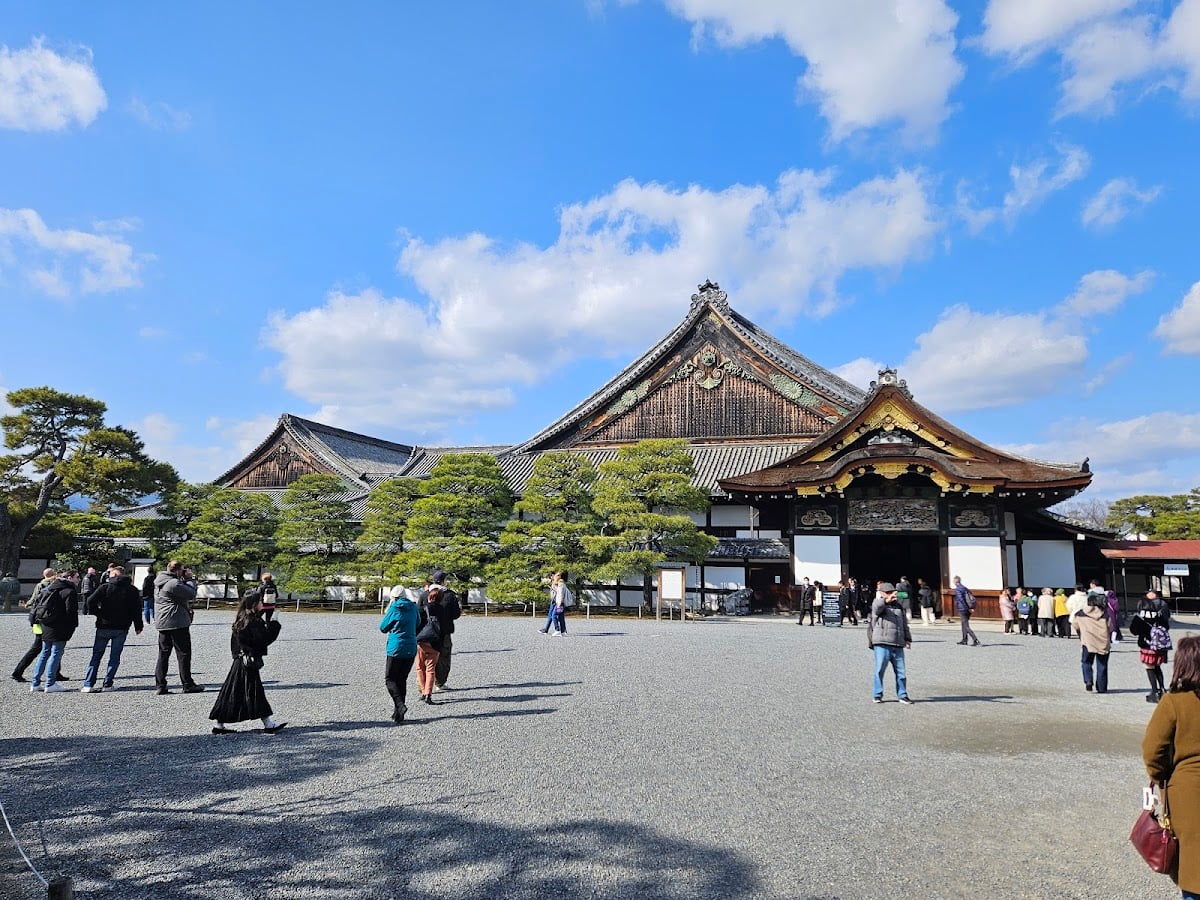
Nijo Castle Gardens at Dusk
Nijo Castle was built in 1603 as the Kyoto residence of Tokugawa Ieyasu, the shogun who unified Japan, and its outer gardens — an expansive composition of raked gravel, pine trees shaped over centuries, and a pond whose surface changes colour with the sky — are best seen in the last hour of afternoon light, when the castle's white plaster walls warm to gold and the stone lanterns cast long shadows across the path. The inner palace, Ninomaru, is famous for its nightingale floors: polished corridors engineered to squeak musically underfoot, an anti-infiltration device against ninja. At dusk the garden empties of most visitors and the pine trees take on an almost theatrical darkness against the remaining sky. The castle moat, with its broad stone walls and the sound of crows settling into the trees above, provides a quiet counterpoint to the day's earlier activity. Admission is 800 yen; arrive ninety minutes before closing.
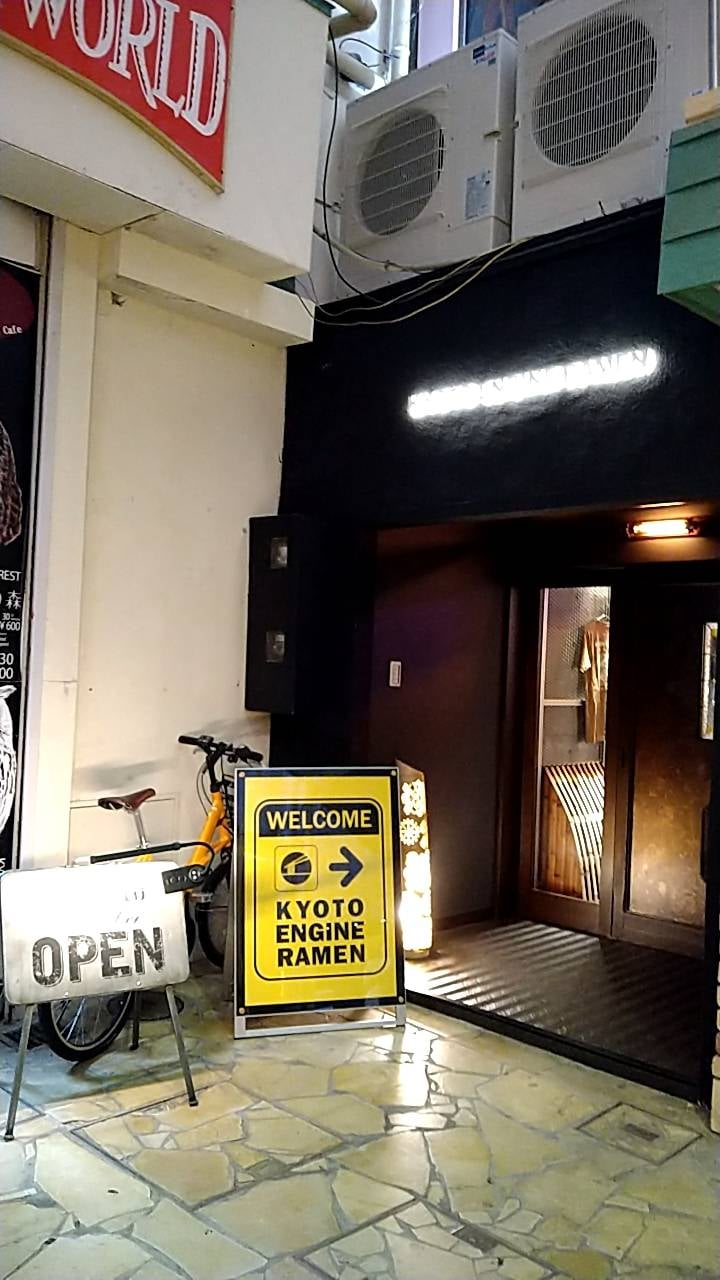
Ramen Shack near Kyoto Station (Late Night)
In the laneway just south of Kyoto Station's Hachijo exit, a cluster of no-frills ramen counters serves the city's night workers, taxi drivers, and late-arriving Shinkansen passengers from 10pm until the early hours of the morning. The best of them — a narrow room with eight counter seats, a single fluorescent tube, and a pot of tonkotsu broth that has been simmering continuously since the shop opened decades ago — serves one thing: a thick, milky pork bone broth ramen with straight noodles, two slices of chashu, a soft-boiled egg split to show its orange yolk, and a sheet of nori that slowly saturates and dissolves into the broth. The meal costs 850 yen. You eat standing, or perched on a stool that tilts slightly, and the heat of the bowl rises into your face as the city outside quiets down around the station forecourt. It is the correct way to end a Kyoto day — not refined, not historical, just deeply satisfying.
Abre o Google Maps com todos os 20 locais marcados
Receba novos guias na sua caixa de entrada
Subscreva a newsletter da Mapita e receba guias de cidades selecionados assim que forem publicados. Sem spam, só bons sítios.
Subscrever — é gratuitoPerguntas Frequentes
Como abro este guia no Google Maps? ▾
Toque no botão "Abrir no Google Maps" e todos os 20 locais aparecerão como marcadores no Google Maps. Pode guardar a lista na sua conta para acesso offline.
Posso usar este guia offline? ▾
Sim! Depois de guardar a lista do Google Maps na sua conta, os locais ficam disponíveis mesmo sem internet. Descarregue a área do mapa offline no Google Maps antes da viagem.
Com que frequência este guia é atualizado? ▾
Este guia foi atualizado pela última vez a 11 de abril de 2026. Revemos e atualizamos regularmente os nossos guias para garantir que todos os locais continuam abertos e vale a pena visitar.
Abrir no Google Maps
Obtenha todos os 20 locais deste guia diretamente no Google Maps.
Ver 20 locais no MapsAbre o Google Maps com todos os 20 locais marcados
Receba novos guias na sua caixa de entrada
Guias de cidades selecionados enviados assim que são publicados. Gratuito para sempre.