Dublin: Pubs, Georgian Streets & Coast
 James Whitmore
 Visão geral
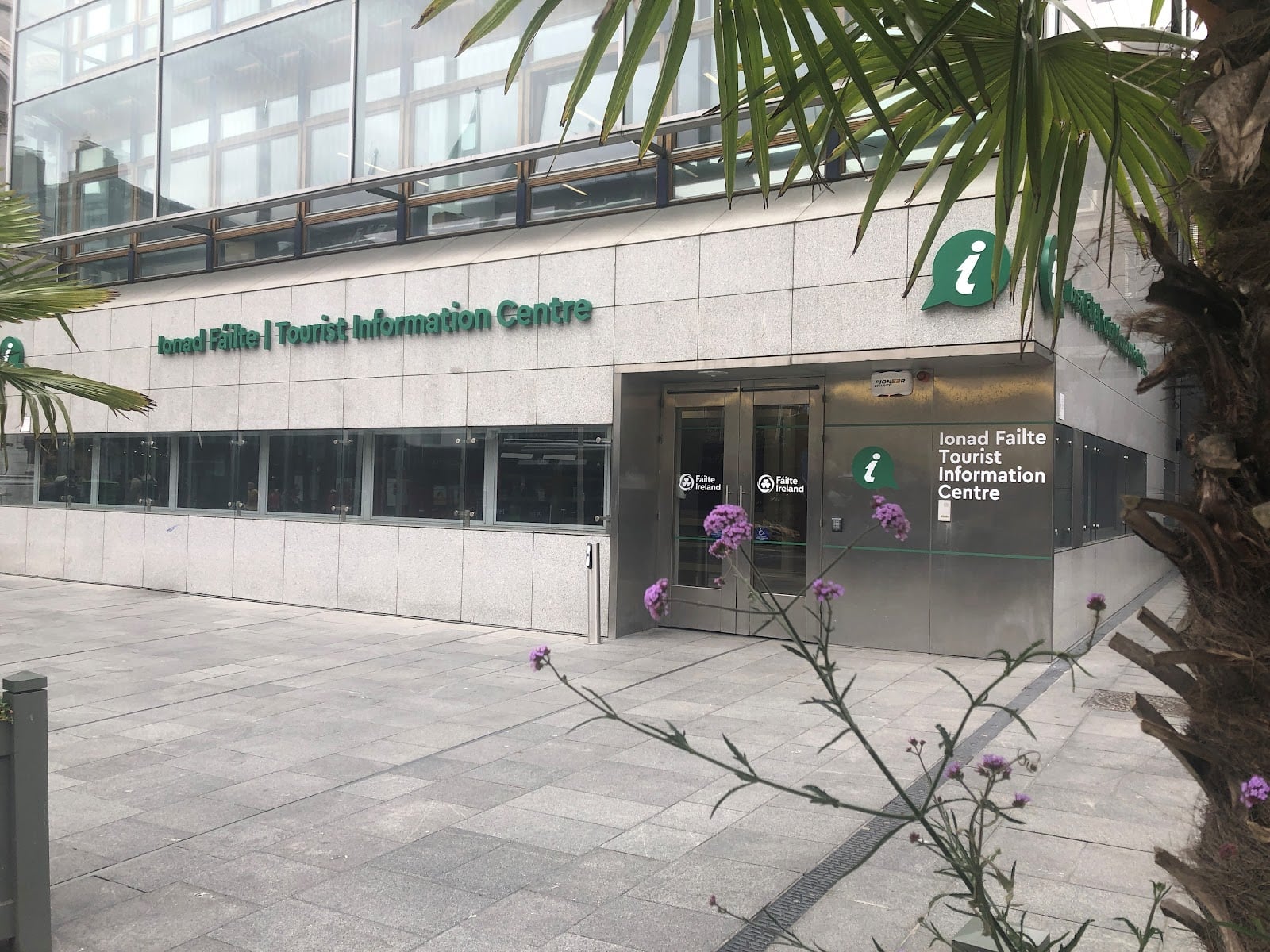
Dublin's essential trinity: historic pubs with live trad music, a Georgian streets walk from Merrion Square to St Stephen's Green, and a DART train escape to Howth's clifftop walks and fresh seafood. Begin in the cobbled laneways of Temple Bar where fiddles have played for centuries, then trace the city's elegant Georgian spine southward past Georgian terraces and hidden garden squares. End the day on Howth Head as the Atlantic rolls in and the harbour fills with the smell of freshly landed fish. This is the Dublin that locals actually live in, before the stag parties arrive.
Map
20 pinned placesLocais em destaque
Descubra os melhores locais deste guia cuidadosamente selecionado. Cada local foi visitado e verificado para garantir uma experiência autêntica e memorável.
The Brazen Head
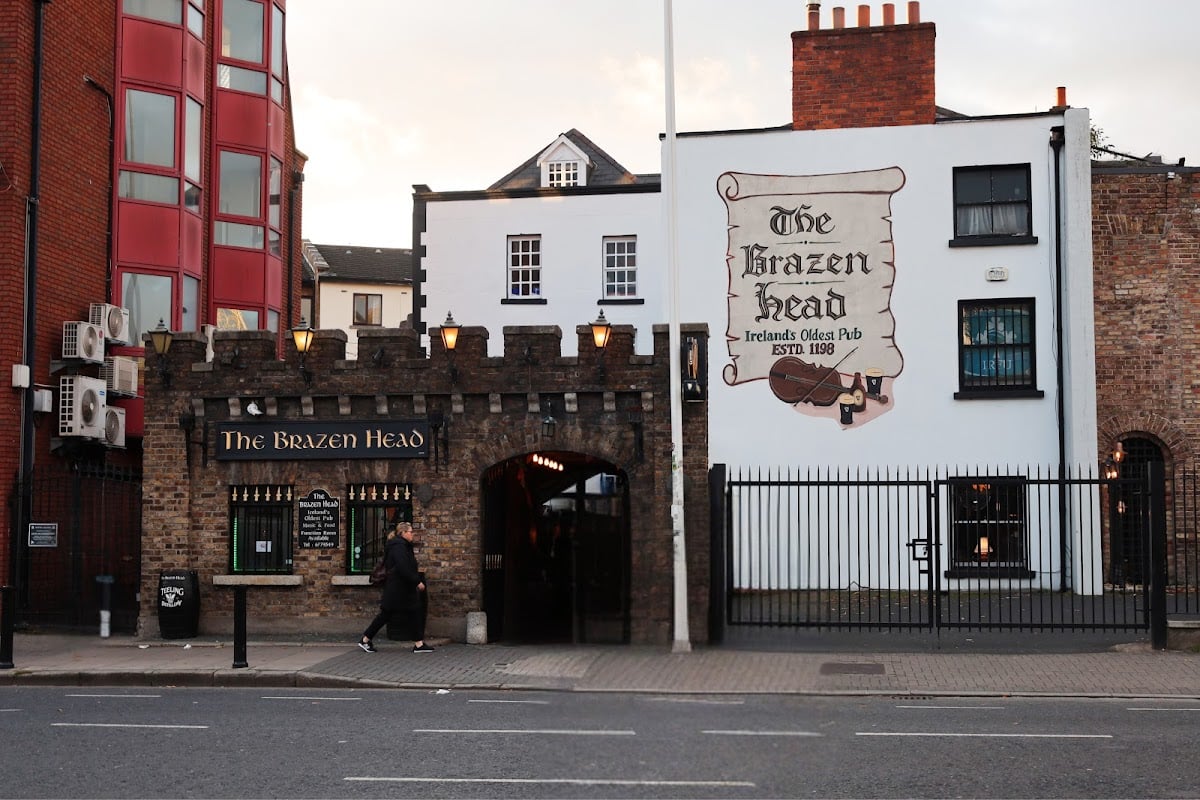
The Brazen Head claims to be Ireland's oldest pub, and stepping through its low arched door you'll believe it. The stone walls date to 1198 and the courtyard fills with trad music most evenings. Order a Guinness and let it settle as the fiddles tune up. The pints are poured slowly, correctly, and the barstaff know their regulars by name. It's a place that smells of history — timber, hops, and a century of stories.
Mulligan's of Poolbeg Street
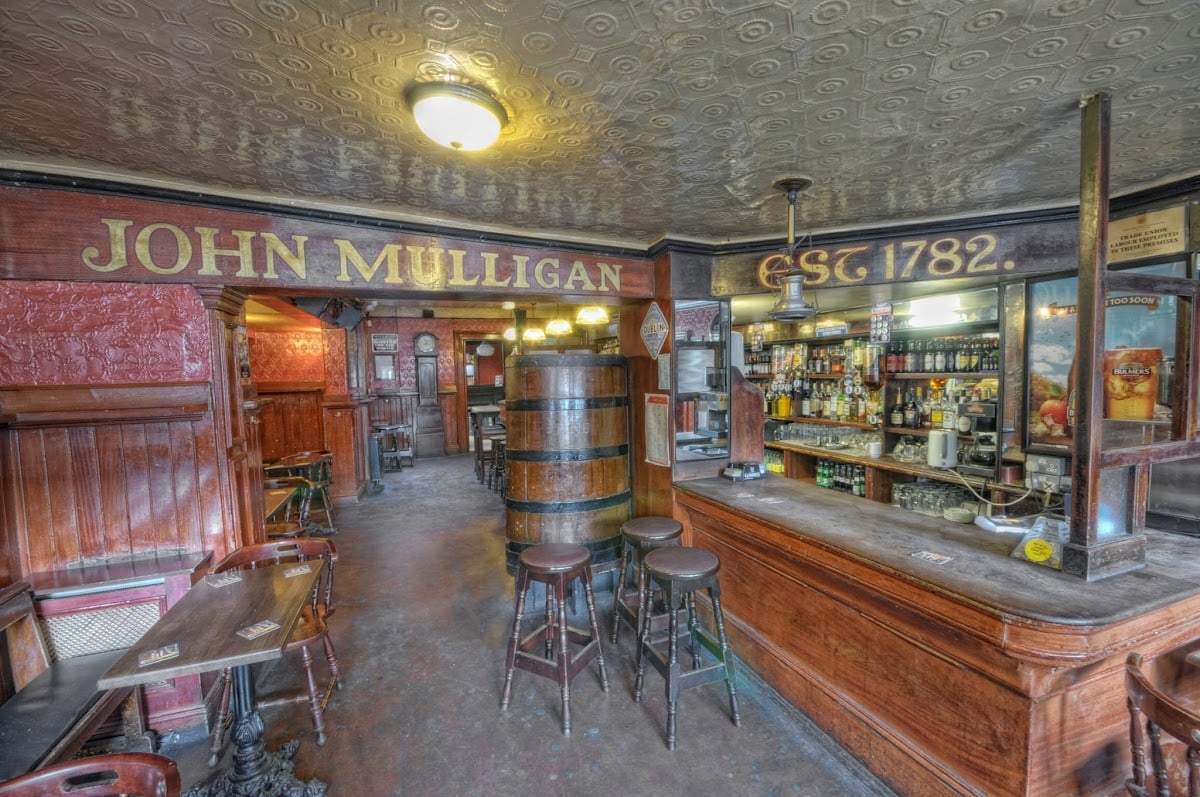
Mulligan's is the pub that James Joyce frequented, and its Guinness is still considered the best pour in the city. The bar is unpretentious — plain wooden stools, a dartboard, and a landlord who brooks no nonsense. Journalists from the nearby Irish Times have been drinking here for generations. There's no food, no music, no frills — just perfectly conditioned stout and conversation that earns its keep.
Kehoe's
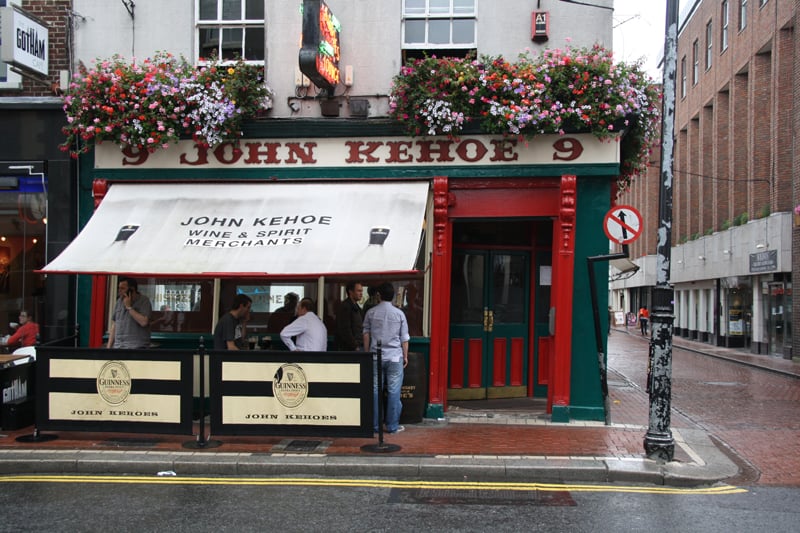
Kehoe's on South Anne Street is a Victorian gem with snugs so narrow you have to breathe in to squeeze through. The carved wooden bar is original, the mirrors etched, and the ceiling pressed tin. Locals crowd in after work, and the craic flows as freely as the pints. It's the kind of pub you fall into by accident and stay in for three hours without noticing.
Merrion Square Park
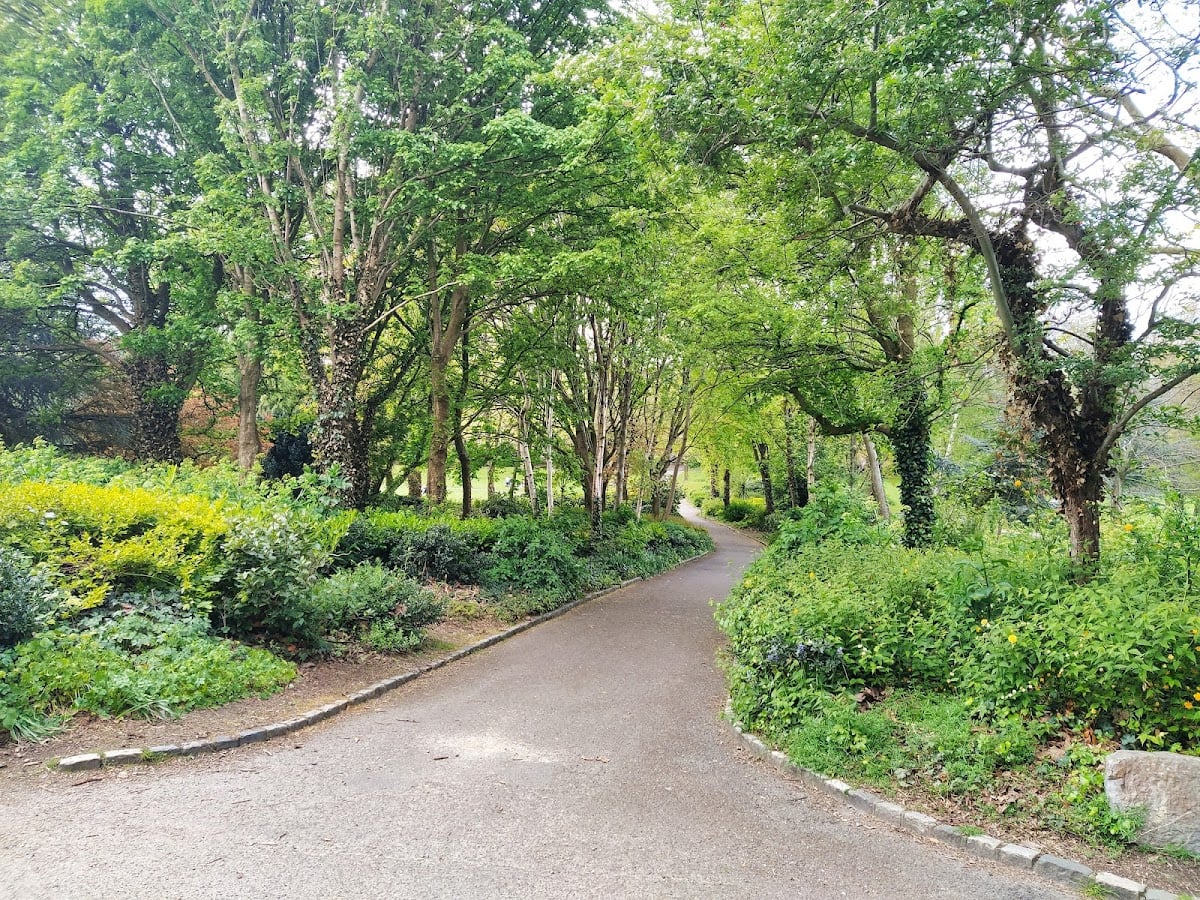
Merrion Square is Dublin's finest Georgian set piece and its park is a quiet revelation. Oscar Wilde's childhood home faces the park from one side; the Natural History Museum anchors another. At lunchtime, civil servants and barristers eat sandwiches on the grass while rooks wheel overhead. The railings are cast iron and the brick is warm red — this is Georgian Dublin at its most complete. Walk the perimeter and count the fanlit doorways.
Number Twenty Nine Georgian House
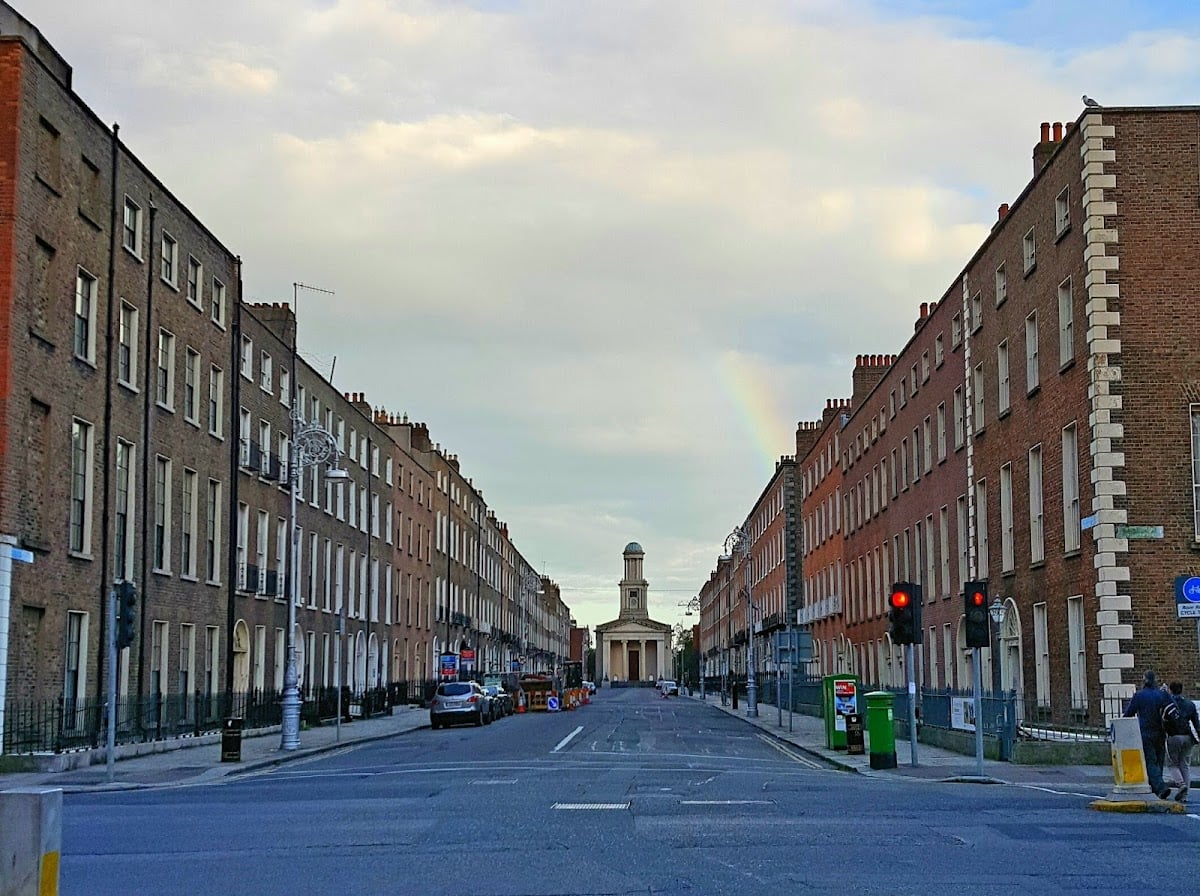
Number Twenty Nine on Fitzwilliam Street is a meticulously restored Georgian townhouse that opens its doors as a museum. Walk through rooms furnished exactly as they would have been in 1790 — the nursery, the parlour, the wine cellar. Costumed guides bring the house to life with stories of the merchant family who lived here. It's one of the most intimate history experiences in the city, and invariably uncrowded.
St Stephen's Green
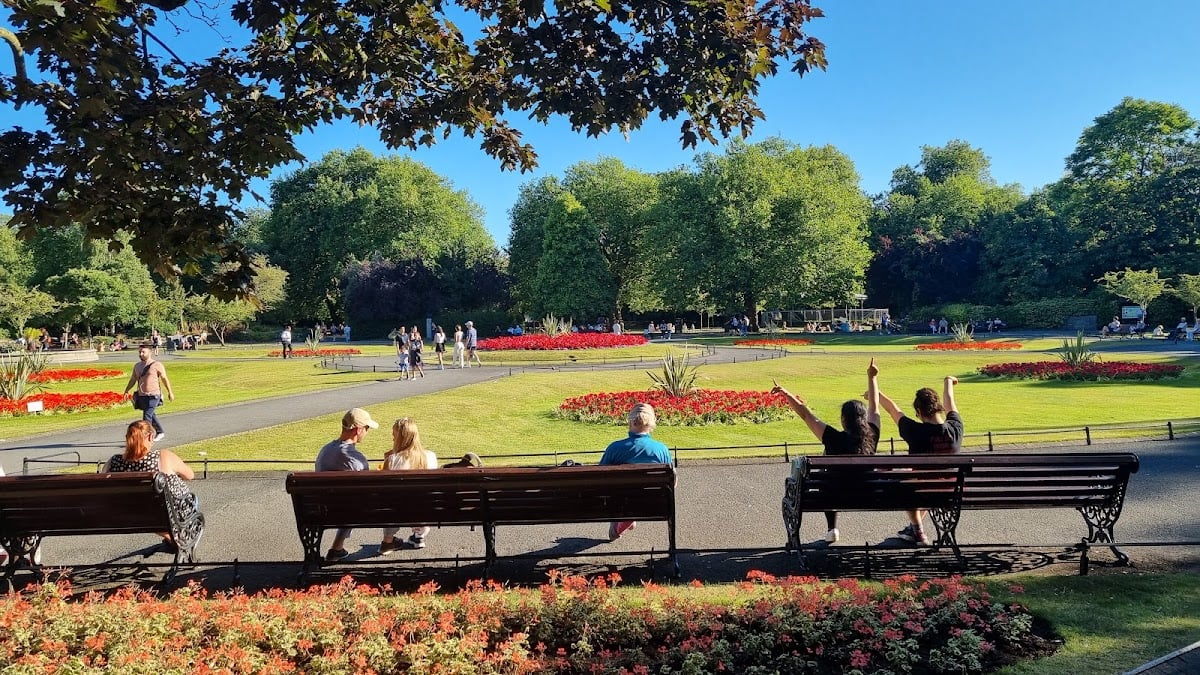
St Stephen's Green is Dublin's great democratic park — free, central, and beloved. At its heart, a Victorian bandstand and ornamental lake anchor a landscape of plane trees and flower beds. Dubliners jog around the perimeter in the morning and lie on the grass in summer afternoons. The Fusiliers' Arch at the north entrance frames the Grafton Street crowds beyond. The park closes at dusk and the geese that patrol the lake become very particular about it.
Iveagh Gardens
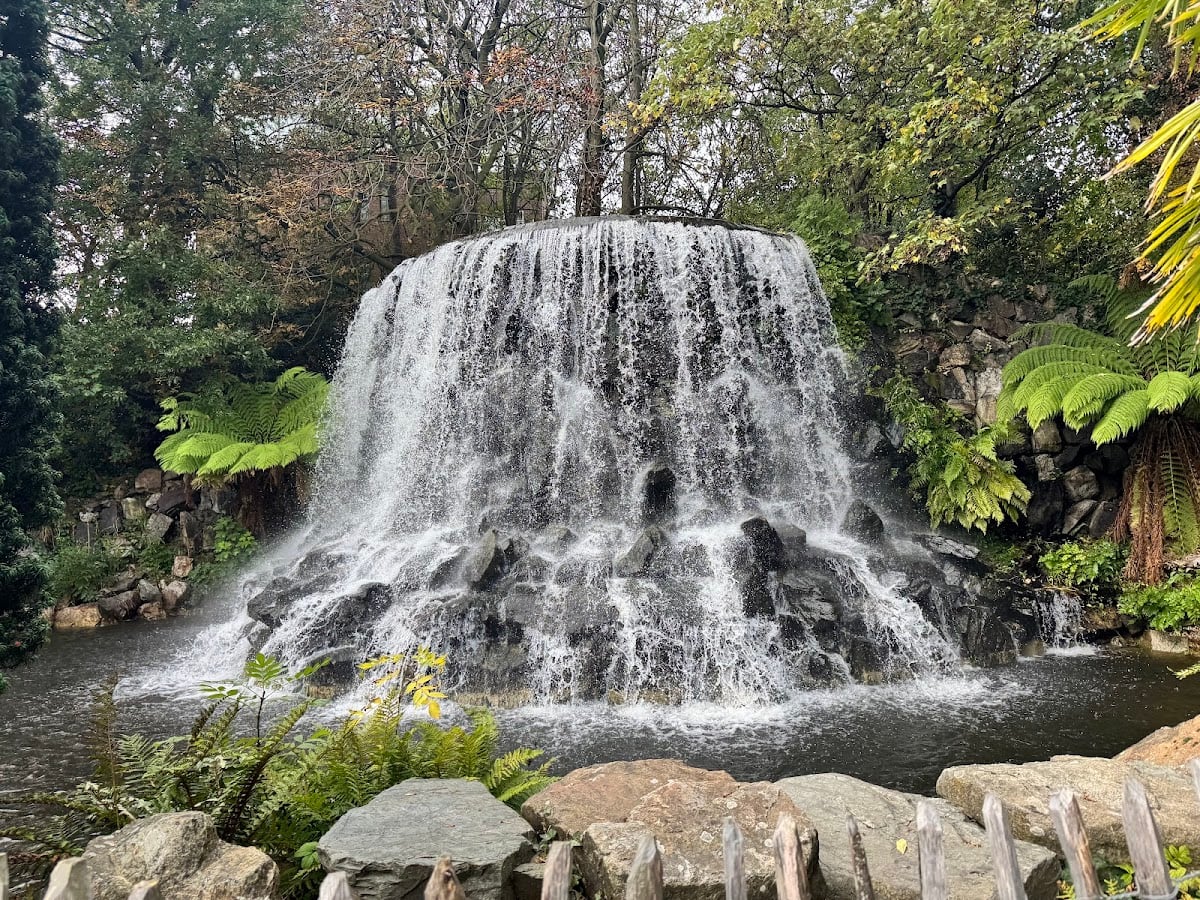
The Iveagh Gardens are the secret garden that most tourists walk past without noticing. Hidden behind the National Concert Hall, the sunken Italian garden has a cascade fountain, a rosarium, and yew hedges that feel centuries old. On summer evenings it hosts outdoor concerts. In the morning it's largely empty — a remarkable thing for a green space in the city centre — and the birdsong is enough to make you forget the traffic on Harcourt Street entirely.
Neary's
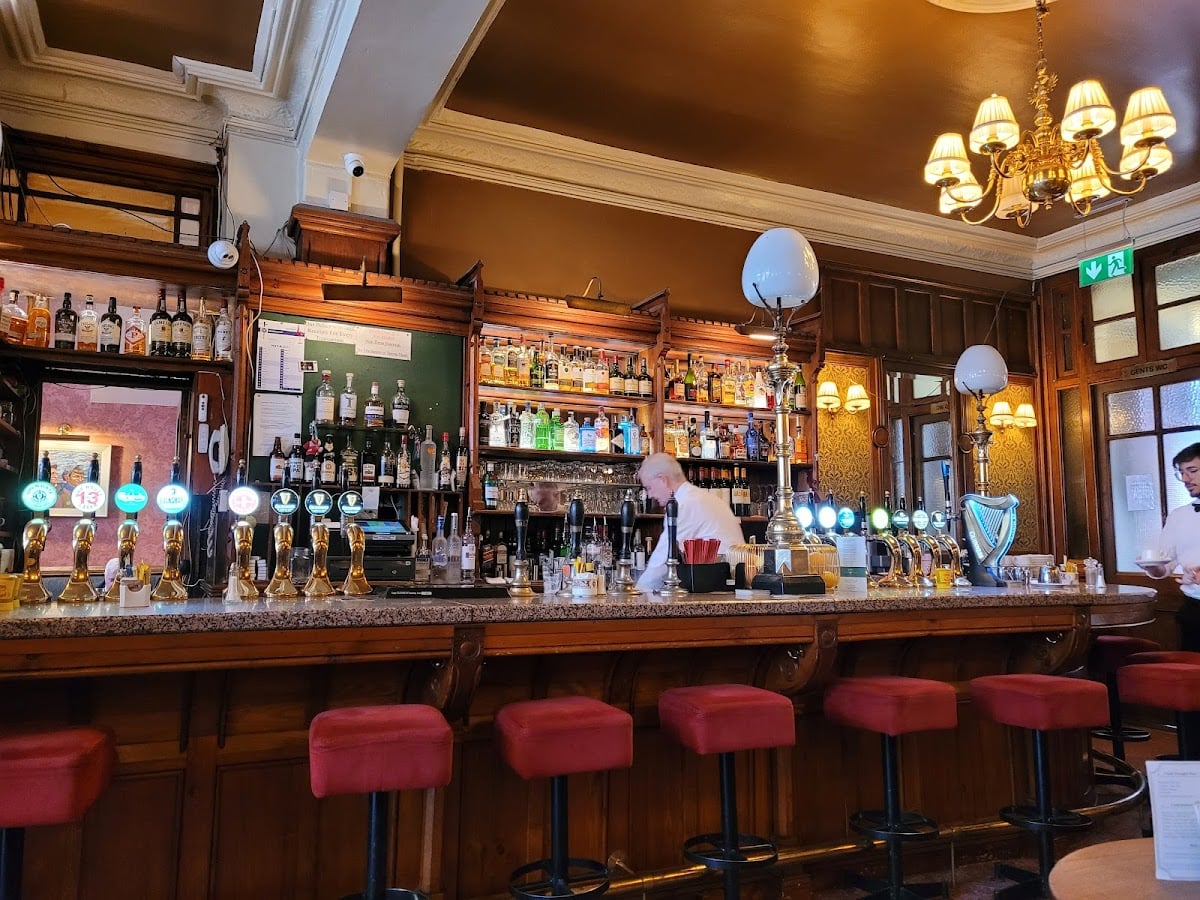
Neary's on Chatham Street is backstage Dublin — actors, directors, and crew from the Gaiety Theatre drift in after curtain. The pub's exterior is a riot of Victorian brass lamps that extend into the street. Inside it's warm and theatrical, conversations running at a pace that suggests everyone here is rehearsing something. The whiskey selection is serious, the bar staff have encyclopaedic knowledge, and the backroom snug is the city's best-kept gossip exchange.
The Long Hall
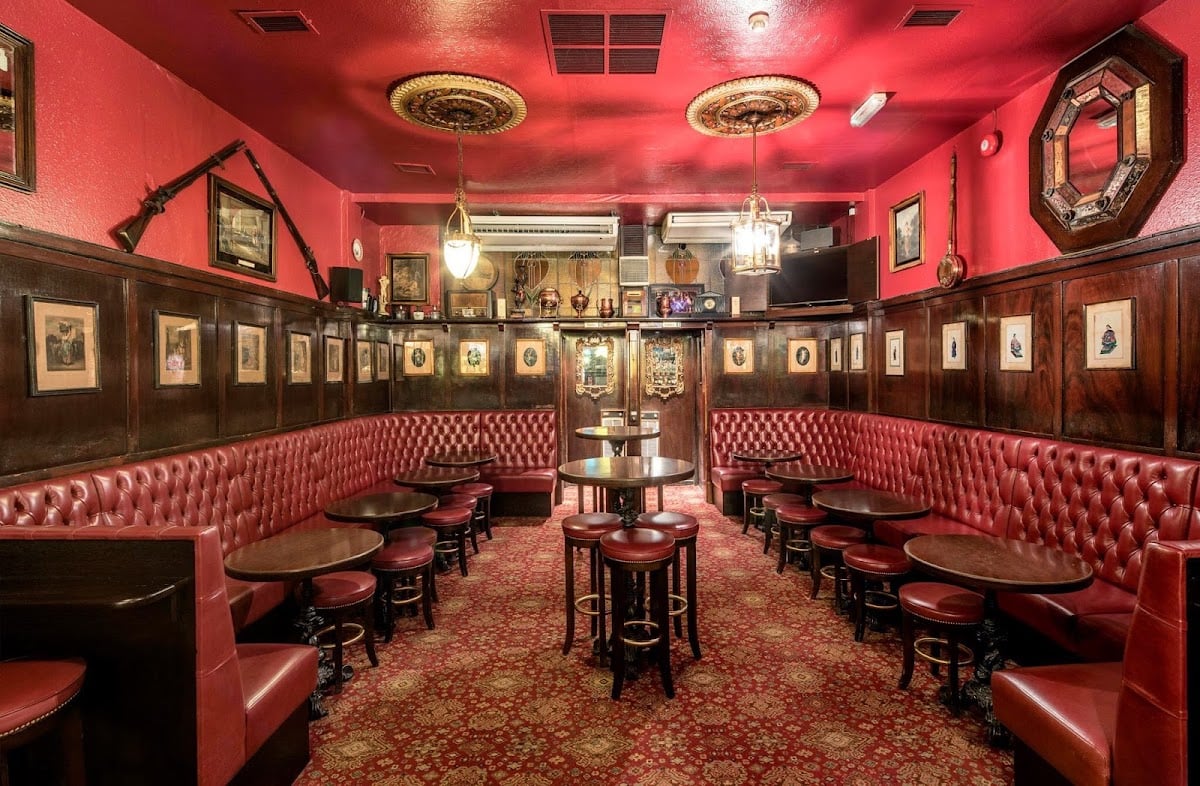
The Long Hall on South Great George's Street is Dublin's most photogenic pub, and it knows it. The Victorian interior stretches back like a corridor of dark mahogany, etched glass, and antique clocks stopped at various wrong times. It was built in 1766 and renovated in 1881 to its current magnificent excess. Come at opening time when the barman polishes everything with practiced ceremony. The Guinness is impeccable and the atmosphere reaches full historic weight by early evening.
Grogan's Castle Lounge
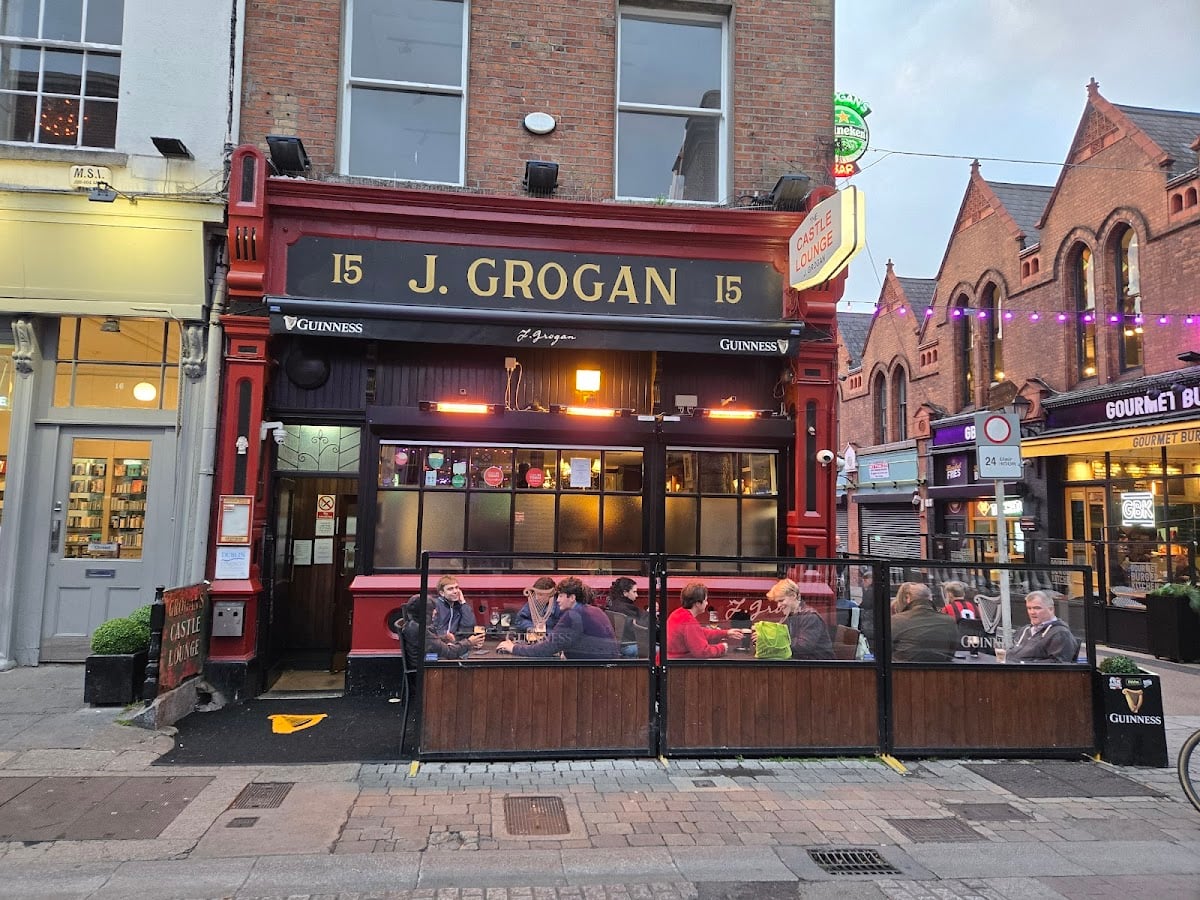
Grogan's on William Street South is the haunt of Dublin writers, artists, and people who prefer conversation to background music. There is no music. There are original artworks on the walls by painters who paid for their pints in kind. The toasted cheese sandwiches are legendary and aggressively simple — white bread, cheddar, done. Writers bring manuscripts; painters bring portfolios; everyone brings opinions. The back room is darker and better for serious argument.
Pearse DART Station
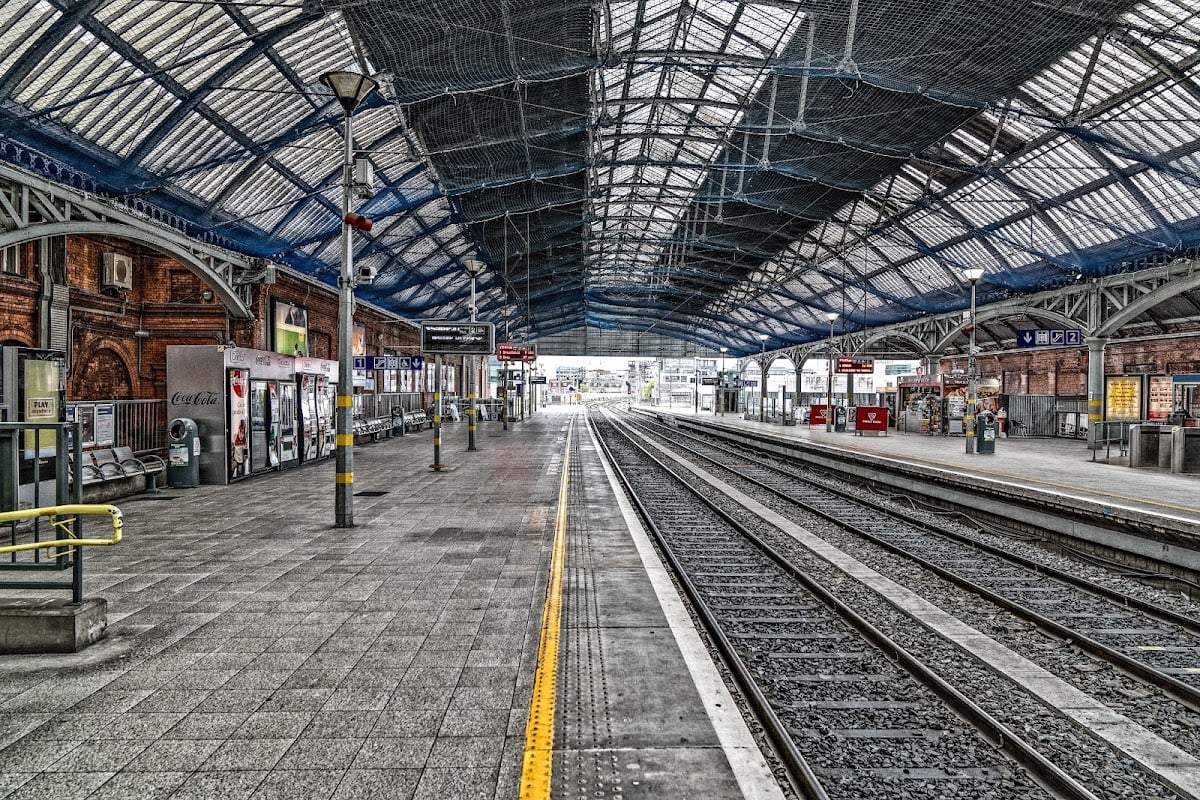
Pearse Station on Westland Row is the gateway to the coastal escape. Board the DART northbound and in 25 minutes the city dissolves into sea views and fishing boats. The DART hugs the bay all the way to Howth, offering glimpses of Sandymount Strand, Booterstown Marsh, and the Sugar Loaf mountain across the water. Buy a day return for maximum flexibility. The journey itself is worth something — a moving frame for the Irish Sea at its most luminous.
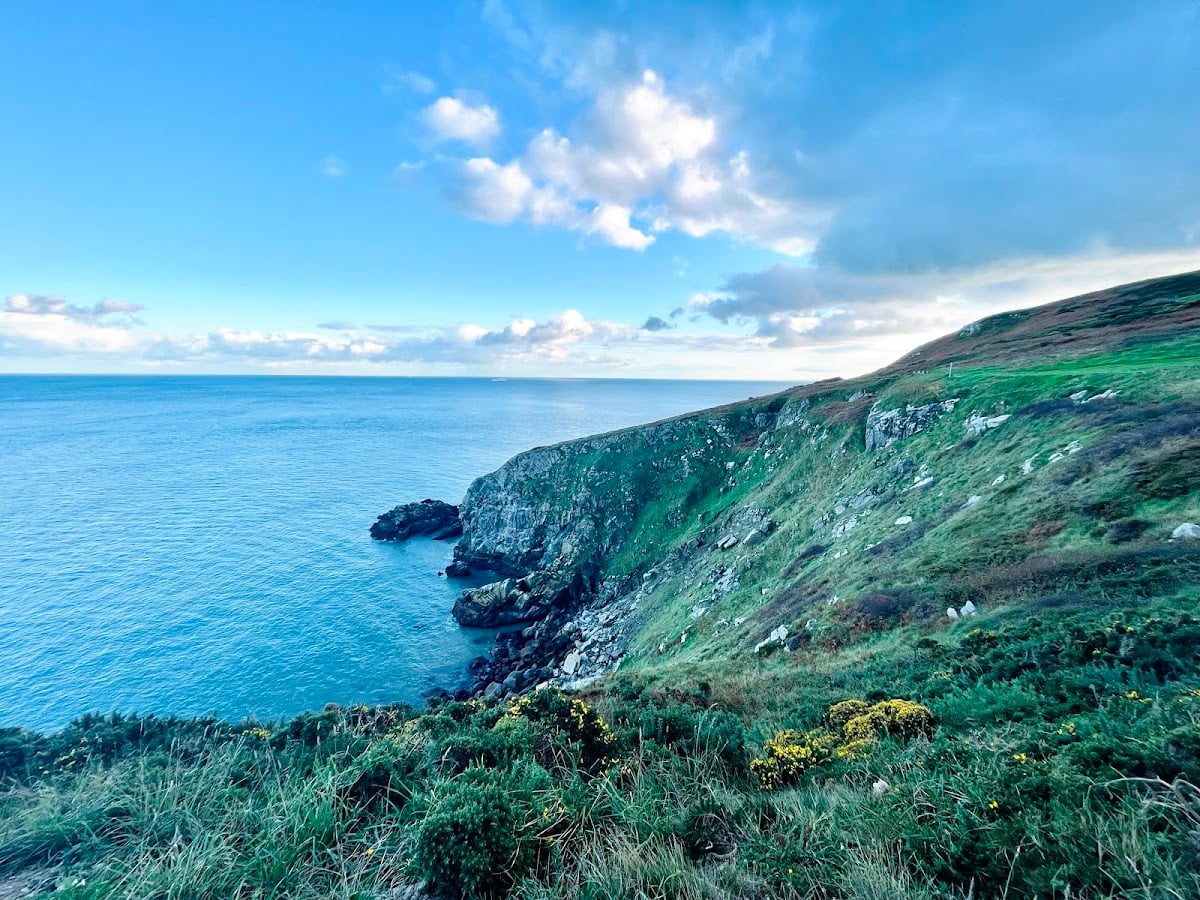
Howth Cliff Walk
The Howth Cliff Walk loops the headland above the fishing village, delivering some of the most dramatic coastal scenery within reach of an Irish city. The path traces the cliff edge for 6km, looking out over the Irish Sea, Lambay Island, and on clear days the mountains of Wales. Gorse blazes yellow most of the year. Seabirds nest in the cliffs below. The loop returns through heathland and past the ruins of Howth Castle. Allow two hours and bring a wind layer regardless of the morning's promise.
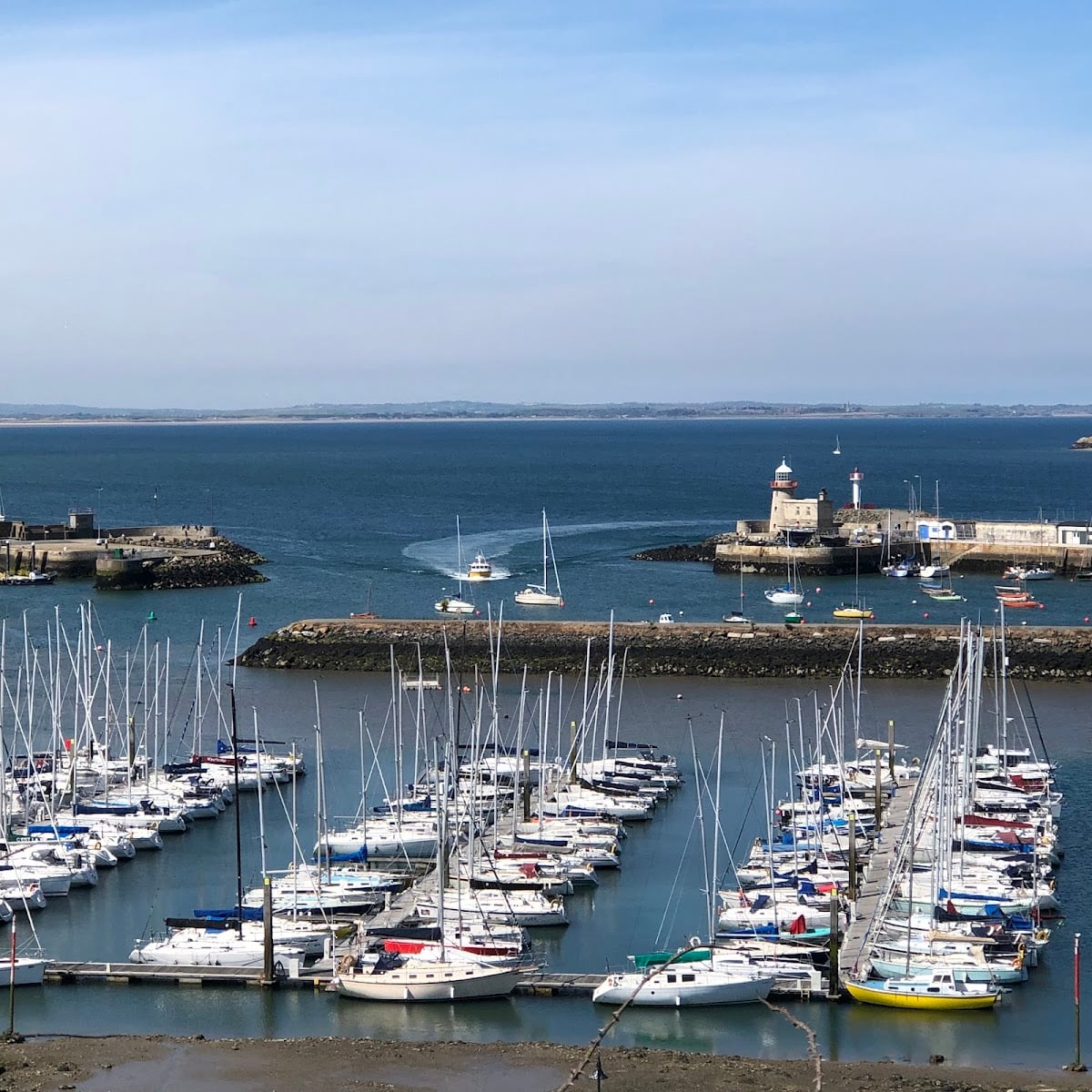
Howth Harbour
Howth Harbour is a working fishing harbour that smells exactly as it should — salt, diesel, and fresh catch. Trawlers unload through the morning while tourists are still sleeping, and by afternoon the pier is lined with people eating fish and chips from paper bags. The East Pier walkway leads out to a lighthouse and back through a colony of seals that have claimed the rocks as their own. It's loud, wet, and wonderfully alive in a way that no curated experience can manufacture.
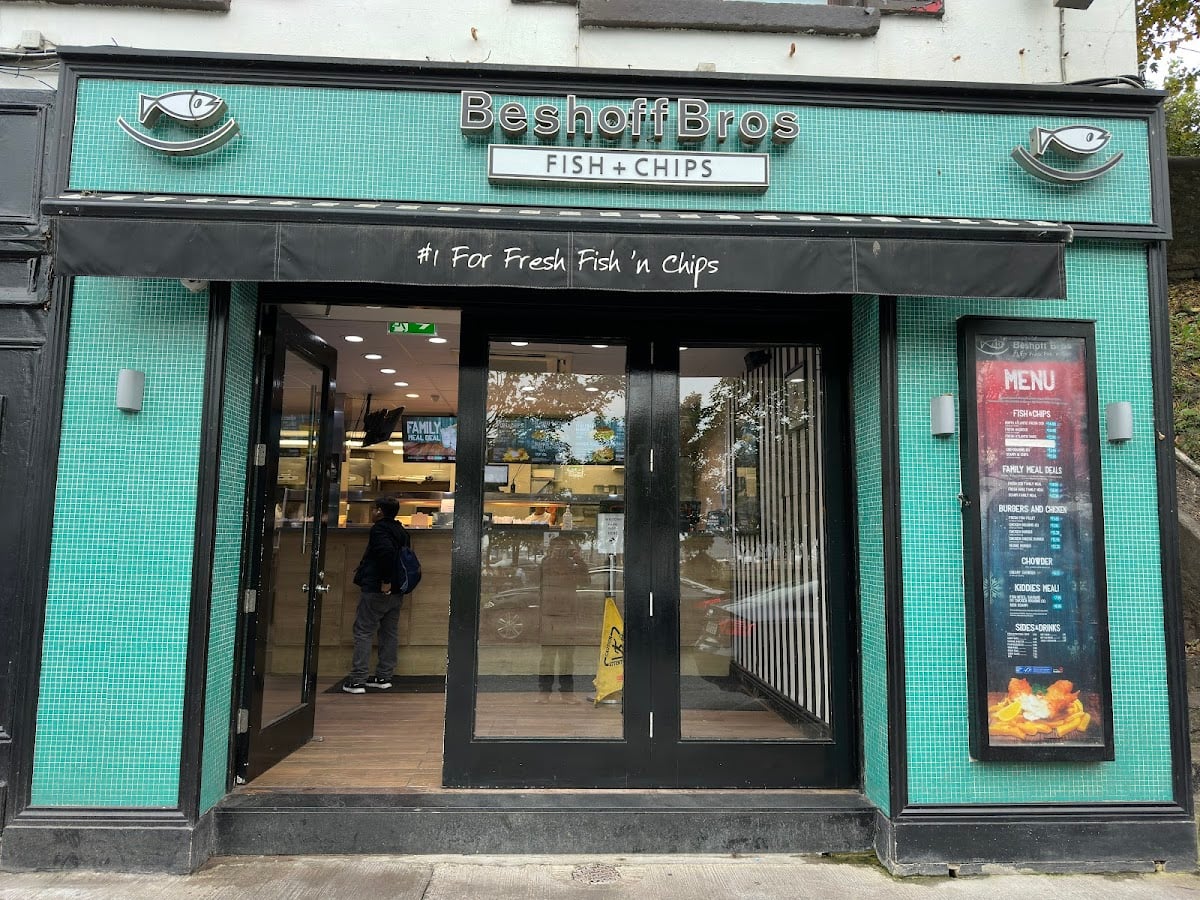
Beshoff's Fish & Chips Howth
Beshoff's is Howth's best-known fish and chip shop, operated by a family that has been frying since 1913. The fish is local — whatever came off the trawlers that morning — battered in a light, crisp coat and served in proper paper. Eat on the pier wall with the seagulls making a serious play for your chips. There are no tables that improve on the harbour view and the saltwater air. This is the meal the coastal escape is built around.
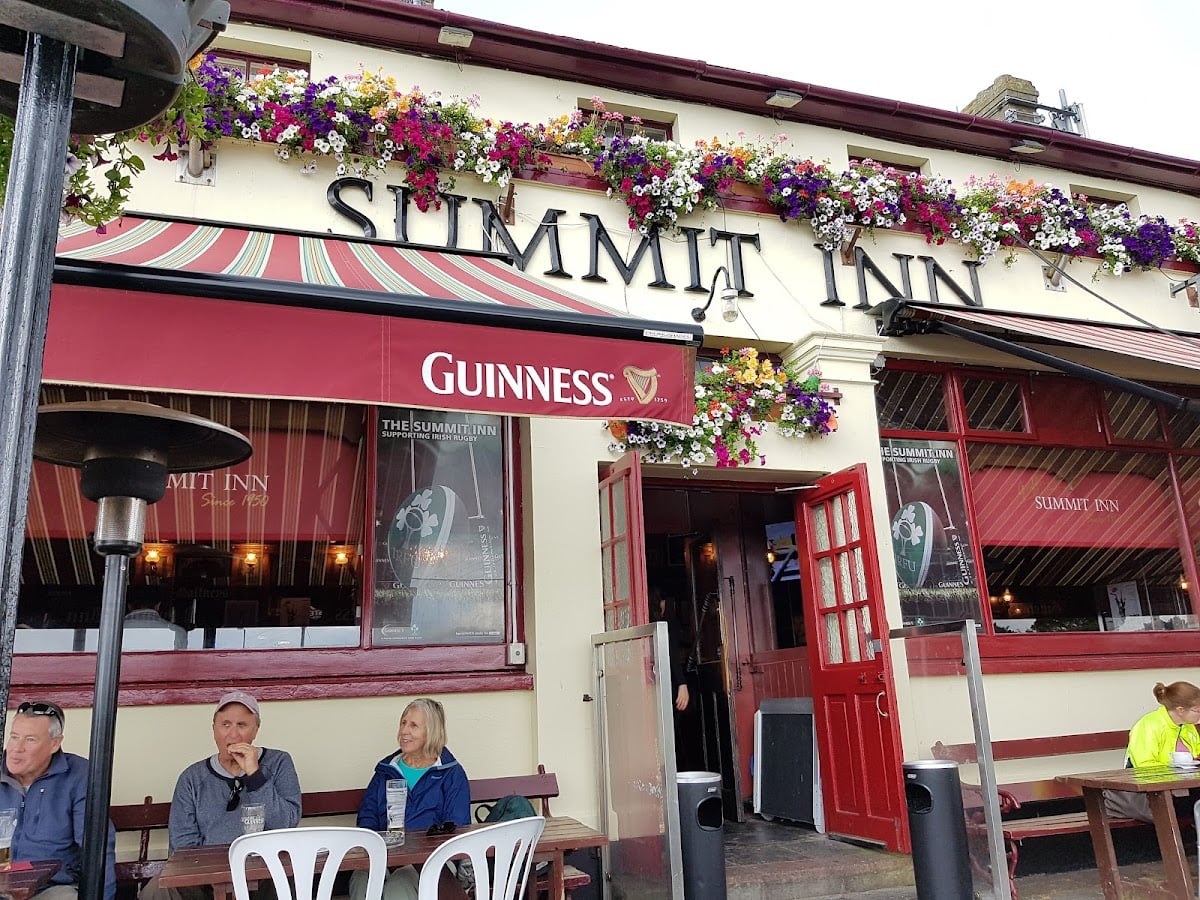
The Summit Inn Howth
The Summit Inn sits on the highest point of Howth Head, with views that take in the whole of Dublin Bay on a clear day. After the cliff walk, when your legs have earned it, the pub's open fire and full Irish menu feel proportionately restorative. The soup is thick, the bread is soda, and the Guinness needs no introduction this far from city pressure. Walk in still breathing hard from the headland and leave two hours later entirely remade.
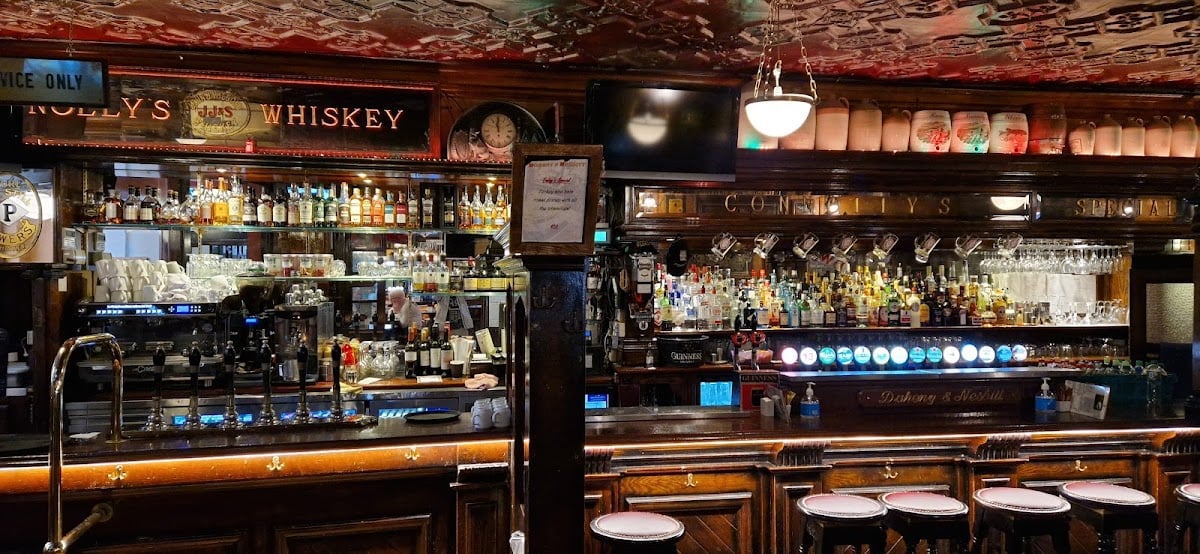
Doheny & Nesbitt
Doheny & Nesbitt on Baggot Street is where Irish politicians, lawyers, and civil servants have argued about the country since 1867. The pub sits a short walk from the Dáil and government buildings — close enough that policy has been made and unmade over pints here. The snugs are original Victorian, the wallpaper is nicotine amber, and the political conversation has never really stopped. Order a hot whiskey on a cold evening and you'll feel the city's centre of gravity shift slightly toward Baggot Street.
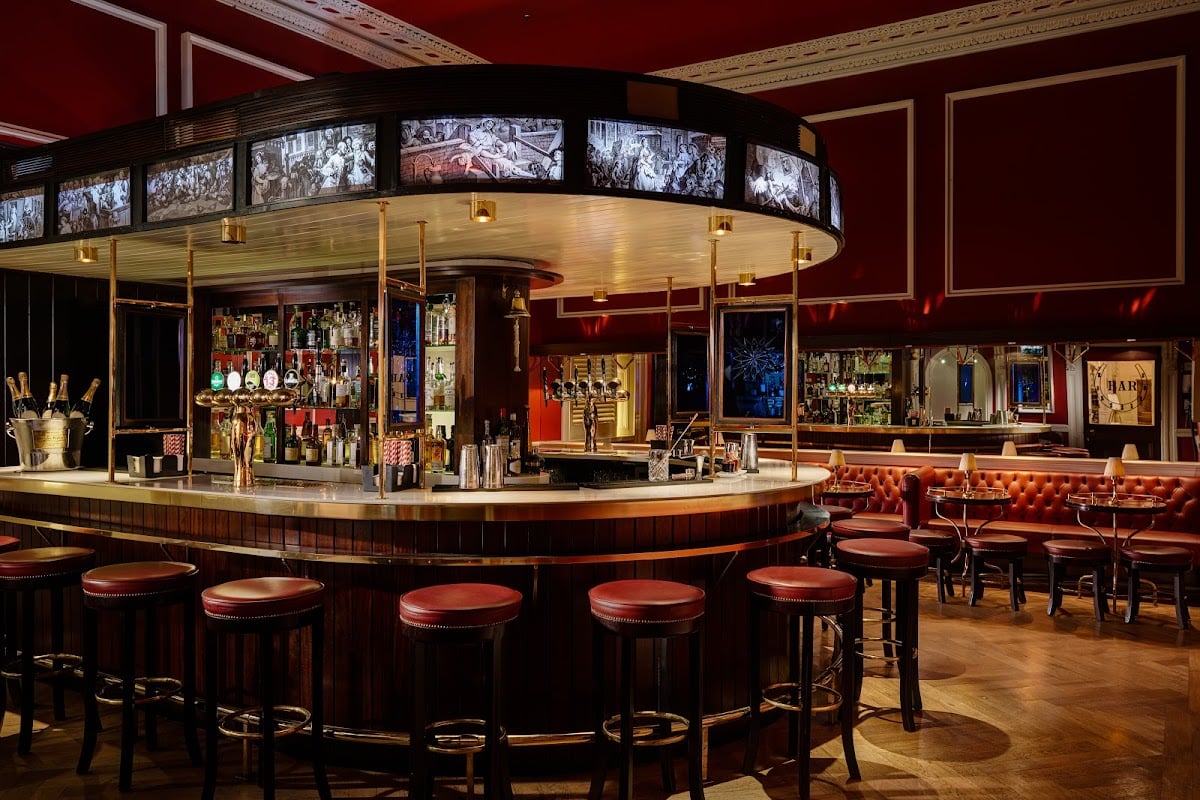
The Shelbourne Hotel Horseshoe Bar
The Shelbourne's Horseshoe Bar on St Stephen's Green is where Dublin's establishment has always come to be seen. The bar is small and circular, the stools leather, and the mirrors positioned to let you watch everyone without appearing to. The Irish Constitution was drafted in a first-floor room above, which gives the conversation a certain weight. Come for a single expensive whiskey, order it slowly, and leave when you've memorised the room.
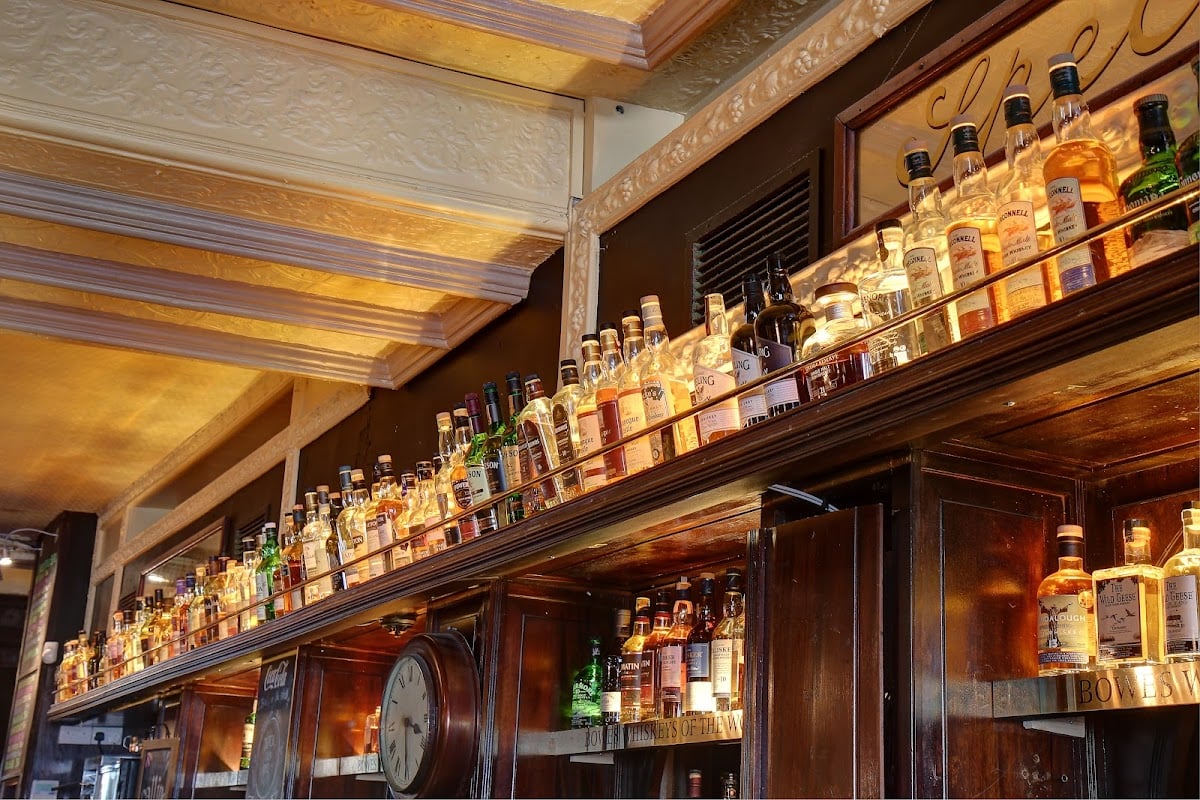
Bowes Pub
Bowes on Fleet Street is Temple Bar's best-kept secret — a no-nonsense pub that somehow survived the neighbourhood's tourist transformation with its soul intact. The regulars are real regulars, the pints are poured without flourish, and nobody is playing an acoustic guitar in the corner. Dark wood, plain stools, and a genuine indifference to visiting culture journalists make it the most authentic experience in the most inauthentic postcode in Dublin.
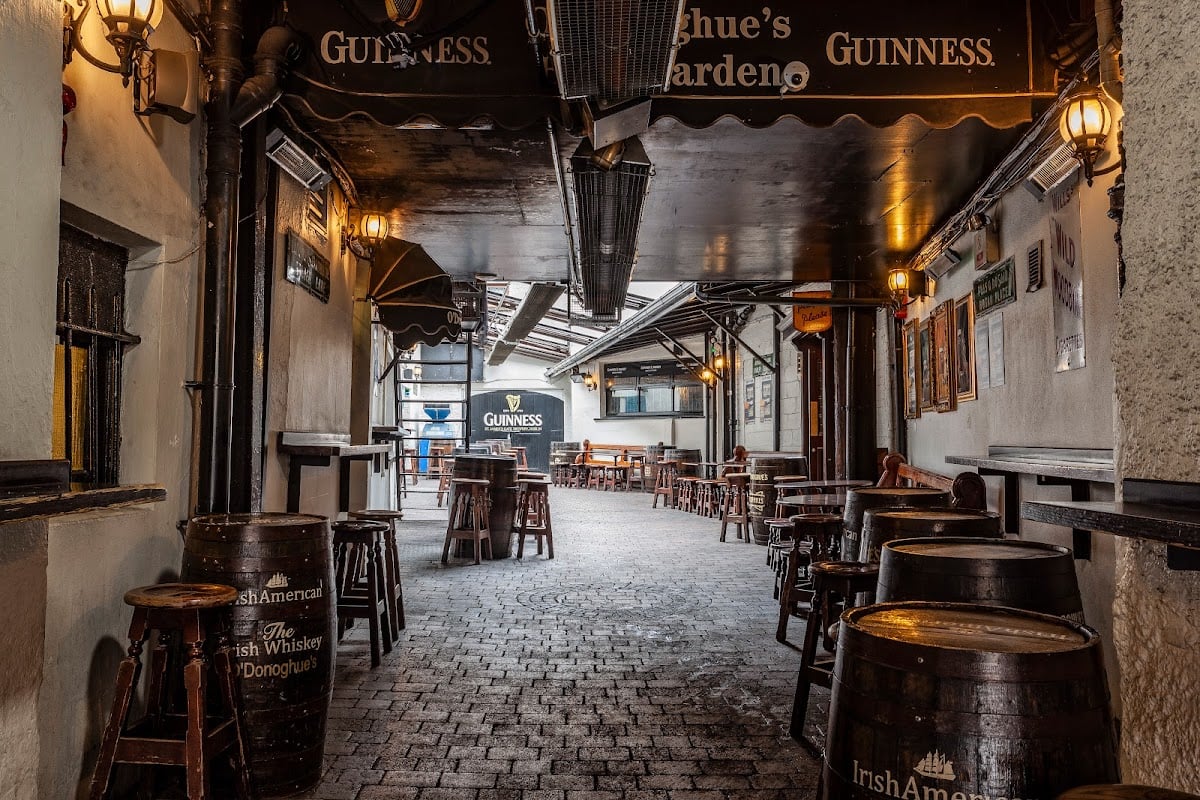
O'Donoghue's
O'Donoghue's on Merrion Row is where The Dubliners began playing trad sessions in the 1960s and the music has never really stopped. Most evenings a session starts organically — a fiddle appears, a bodhrán answers, and within an hour the narrow pub is packed and swaying. It's warm, loud, and completely unpretentious about being wonderful. The corner snugs are original Victorian and the Guinness is served at the temperature the gas decides, which is the right temperature.
The Cobblestone
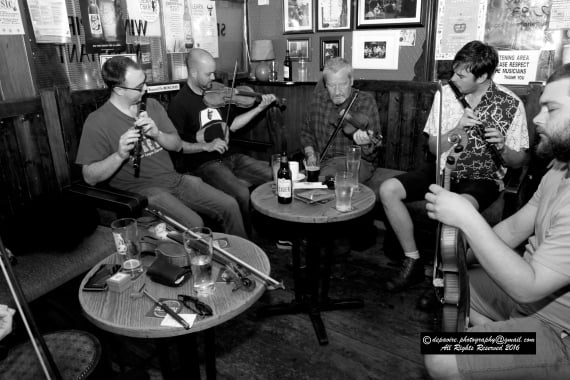
The Cobblestone in Smithfield is the spiritual home of Dublin trad music and the pub that Dubliners fought to protect from redevelopment in 2021. Sessions happen every night without amplification, without charge, and without any concession to spectacle — the musicians face each other, not the room. The pub is intimate, the ceiling low, and the acoustics accidentally perfect. Come early to get a seat near the session. Come late to find out what a reel sounds like when it really gets going.
Abre o Google Maps com todos os 20 locais marcados
Receba novos guias na sua caixa de entrada
Subscreva a newsletter da Mapita e receba guias de cidades selecionados assim que forem publicados. Sem spam, só bons sítios.
Subscrever — é gratuitoPerguntas Frequentes
Como abro este guia no Google Maps? ▾
Toque no botão "Abrir no Google Maps" e todos os 20 locais aparecerão como marcadores no Google Maps. Pode guardar a lista na sua conta para acesso offline.
Posso usar este guia offline? ▾
Sim! Depois de guardar a lista do Google Maps na sua conta, os locais ficam disponíveis mesmo sem internet. Descarregue a área do mapa offline no Google Maps antes da viagem.
Com que frequência este guia é atualizado? ▾
Este guia foi atualizado pela última vez a 11 de abril de 2026. Revemos e atualizamos regularmente os nossos guias para garantir que todos os locais continuam abertos e vale a pena visitar.
Abrir no Google Maps
Obtenha todos os 20 locais deste guia diretamente no Google Maps.
Ver 20 locais no MapsAbre o Google Maps com todos os 20 locais marcados
Receba novos guias na sua caixa de entrada
Guias de cidades selecionados enviados assim que são publicados. Gratuito para sempre.