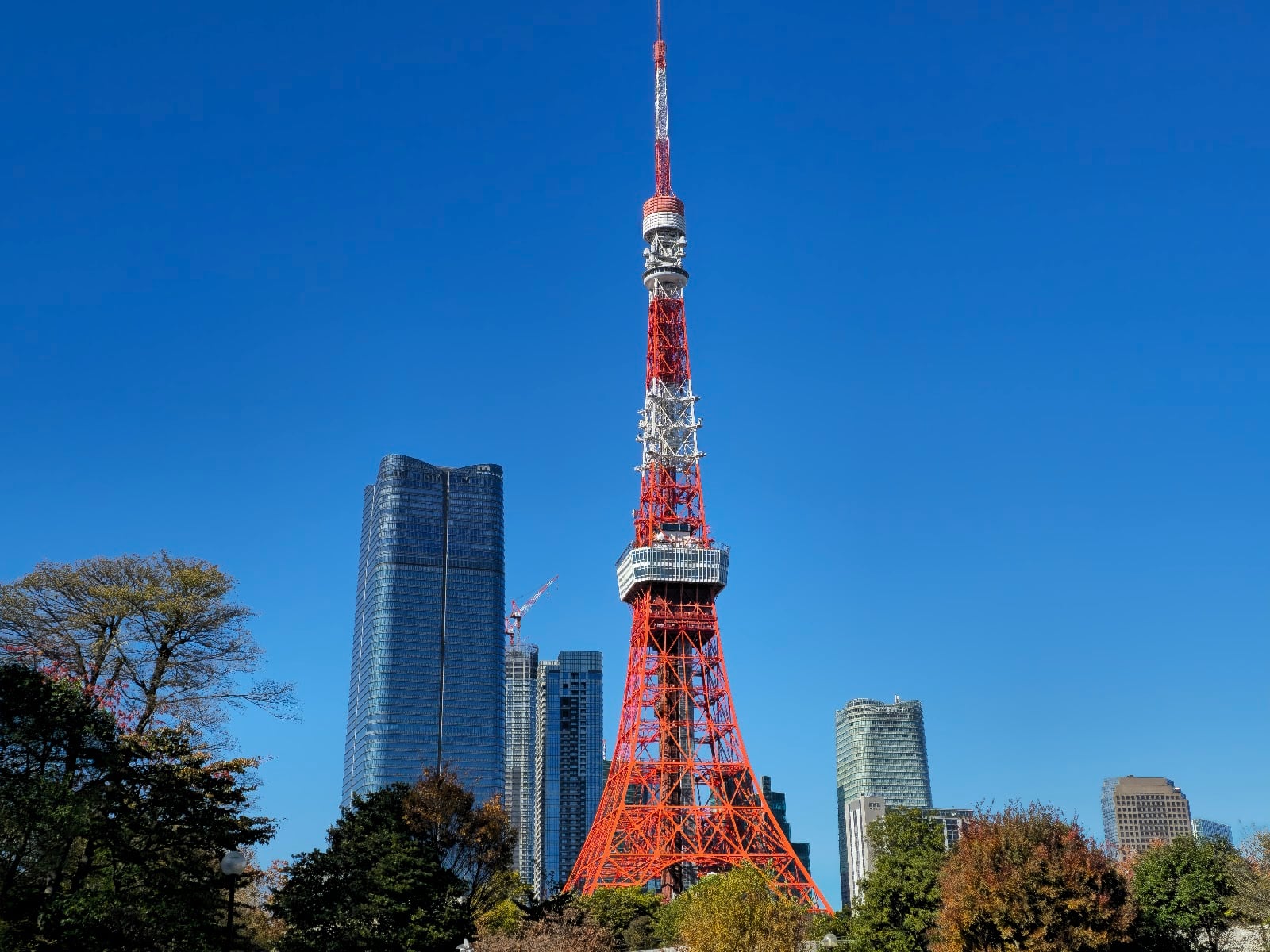
Tokyo Late-Night Izakaya Crawl
 James Whitmore
 Visão geral
After dark, Tokyo reveals a city within a city — one built entirely for the pleasures of the night. Neon signs bleed across wet pavement, salarymen loosen their ties, and the smell of yakitori smoke hangs sweet and fatty over narrow alleys that seem to belong to another era entirely. From the cramped Golden Gai bars of Shinjuku to the canal-lit romance of Nakameguro, and from Shimokitazawa's vinyl-soaked dives to the ancient lamp-glow of Asakusa's backstreets, this crawl traces the soul of a city that refuses to sleep. Twenty stops, twenty moods — spanning twenty neighborhoods — each one a portal into a different version of what Tokyo becomes when the last train is just a loose suggestion.
Map
20 pinned placesLocais em destaque
Descubra os melhores locais deste guia cuidadosamente selecionado. Cada local foi visitado e verificado para garantir uma experiência autêntica e memorável.
Bar Albatross (Golden Gai)
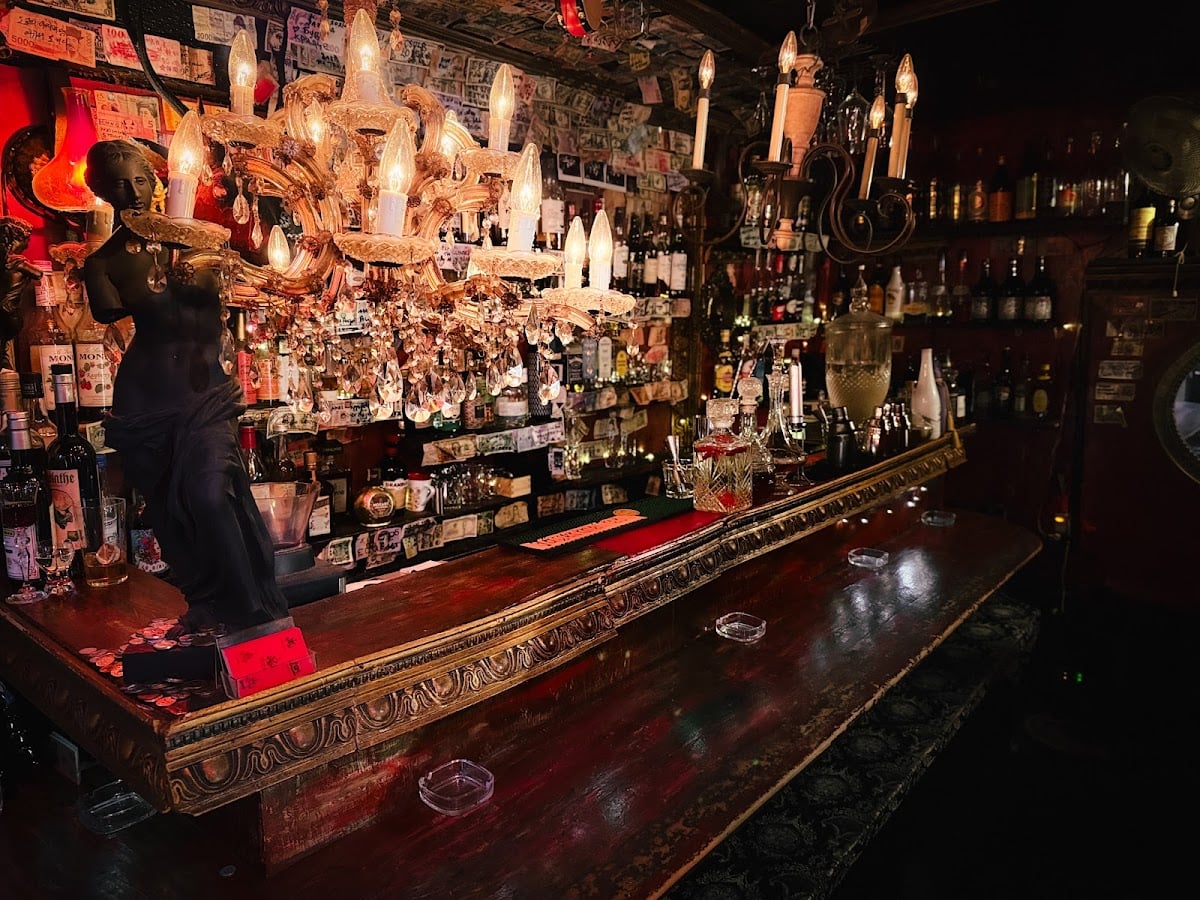
Bar Albatross is the kind of place that makes you feel like you've fallen through a crack in time and landed somewhere wonderful. Tucked into Golden Gai's labyrinthine alleys in Shinjuku, this tiny multi-floor bar drips with chandeliers, taxidermy, and the accumulated clutter of decades of excellent nights. The staircase is steep enough to require a hand on the railing, the ceiling is hung with costume jewellery and dried flowers, and the bartender moves with the calm authority of someone who has heard every story worth telling. You will be given a seat, a menu written in Japanese and rough English, and the strong suggestion that you try the house cocktail. The sound outside — drunk laughter, a distant shamisen, the click of heels on stone — filters in each time the door opens, but inside it feels entirely private. Golden Gai has over two hundred bars like this and unlike any other place on earth, and Albatross is perhaps the most photographed of them all, though photographs never quite capture why it works.
Omoide Yokocho
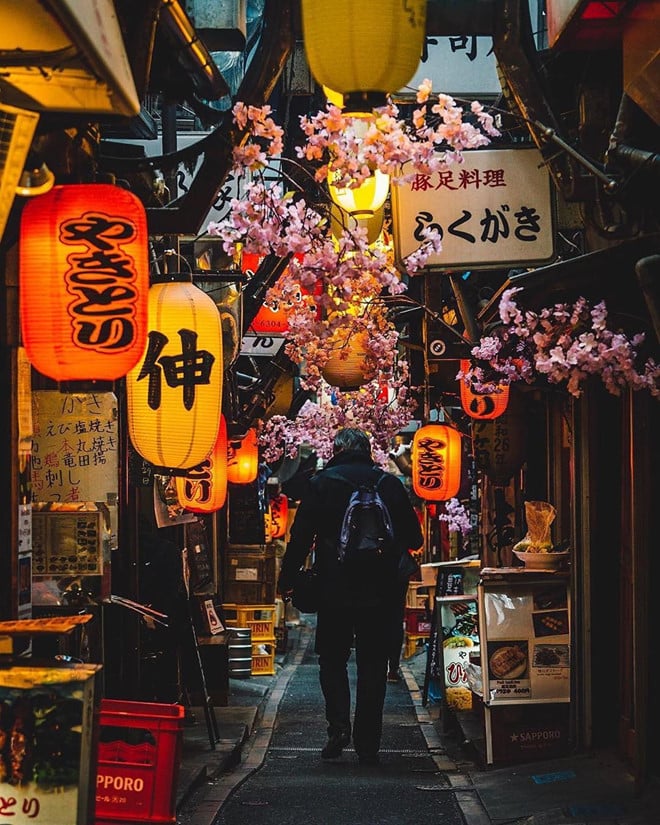
Omoide Yokocho — Memory Lane — is a narrow alley system behind Shinjuku Station's west exit that has survived urban redevelopment through sheer stubbornness and the loyalty of its regulars. Under a tangle of cables and hand-painted signs, tiny stalls are open on both sides, each barely wide enough for a counter and a cook. The smoke is immediate and total, thick with charcoal and chicken fat, and it clings to your clothes in a way you will not mind until morning. You perch on a stool close enough to your neighbours that conversation becomes unavoidable, and that is the whole point. A plate of yakitori arrives — thighs glistening, skin crisped, served with a saucer of coarse salt and a cold Sapporo. The cooks are performative in their efficiency, turning skewers in rapid rhythm, fanning coals with practised flicks of the wrist. This alley was built for workers heading home after the war and has never changed its ambitions; it still wants only to feed you well and make you feel less alone.
Torikizoku Shinjuku
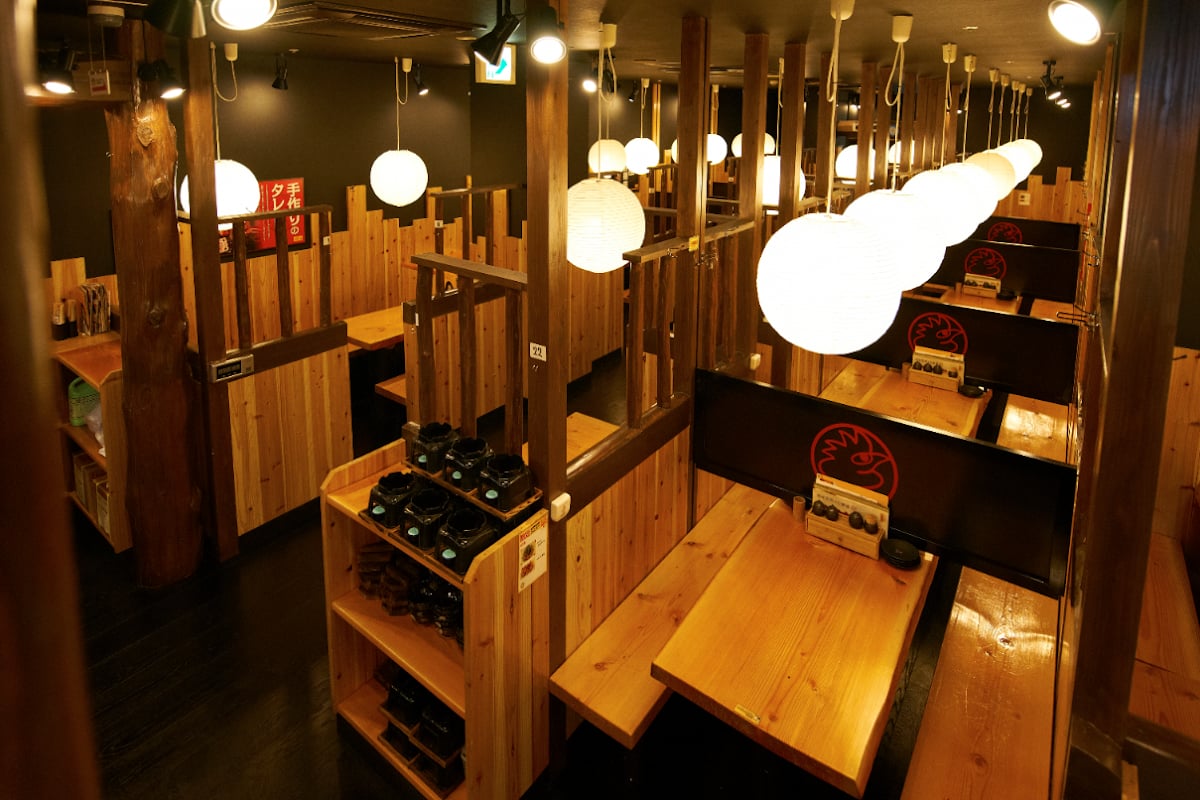
Torikizoku is a phenomenon disguised as a perfectly ordinary izakaya chain, and the Shinjuku branch captures everything that makes the formula irresistible. Every item on the menu costs the same low price — a fact that removes all anxiety from the ordering process and turns the evening into something closer to a game. The skewers come fast: gizzard, heart, soft bone, skin, all of it cooked over strong charcoal with that slightly blackened edge that separates real yakitori from its imitators. The room is loud in the best possible way, packed with groups of colleagues still in work clothes, couples sharing a pitcher of chu-hi, and lone drinkers perched at the counter reading manga on their phones. The servers move with practised urgency, the draft beer arrives cold and foamy, and the ventilation system works hard enough that you only smell faintly of smoke when you leave. It is not the most romantic izakaya in the city but it might be the most honest one — a place built around the single idea that everyone deserves a good dinner and a cold drink at the end of a long day.
Bar Araku (Kabukicho)
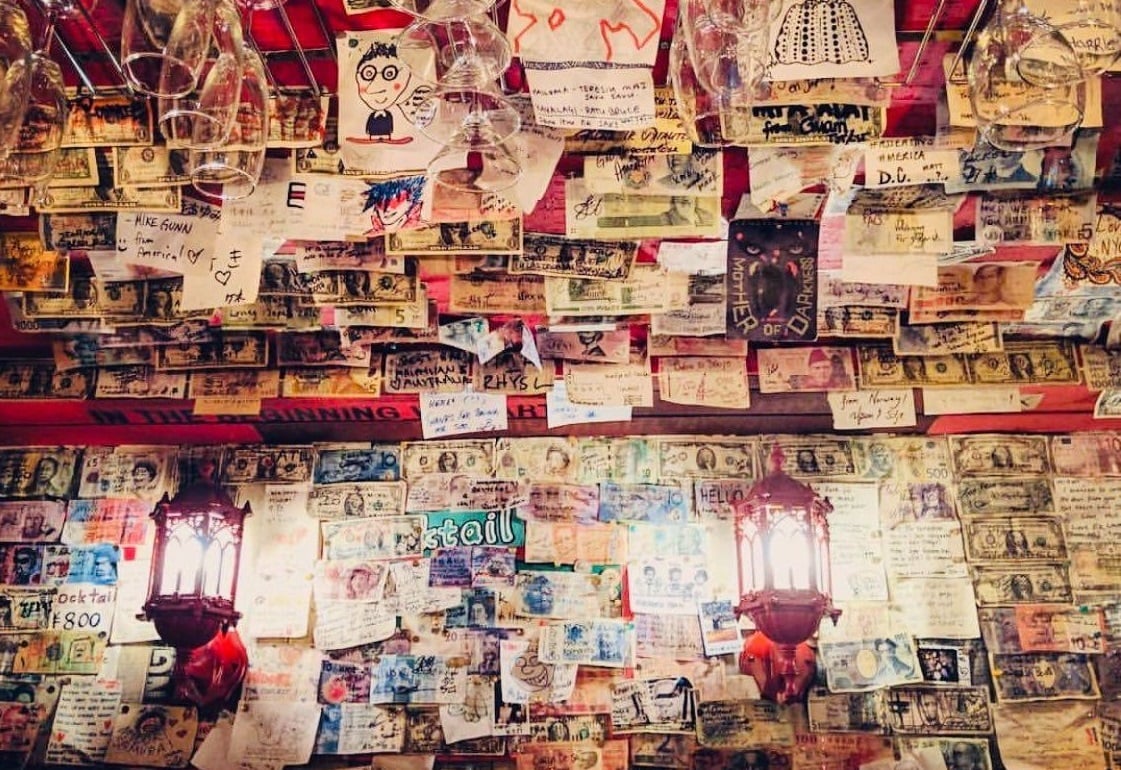
Kabukicho is Tokyo's most theatrical district, a grid of neon and noise and competing temptations that most guidebooks warn you about and most visitors end up loving. Bar Araku is one of the reasons to love it — a small, warmly lit room on a side street just far enough from the main boulevard that the chaos outside becomes ambient rather than overwhelming. The bar stocks an impressive selection of Japanese whisky, and the bartender has the particular gift of asking the right question — 'do you want something peaty or smooth?' — and then producing exactly what you needed but couldn't have named. The ice is chipped by hand from a block, the glasses are chilled before use, and the conversation is unhurried despite the frenzy outside. Photographs of old Shinjuku cover one wall, a small shelf holds a collection of jazz records, and the lighting is calibrated to make everyone look slightly better than they do by day. Come here after Omoide Yokocho, when the smoke has settled into your clothes and you are ready to slow down.
BenFiddich (Shibuya area)
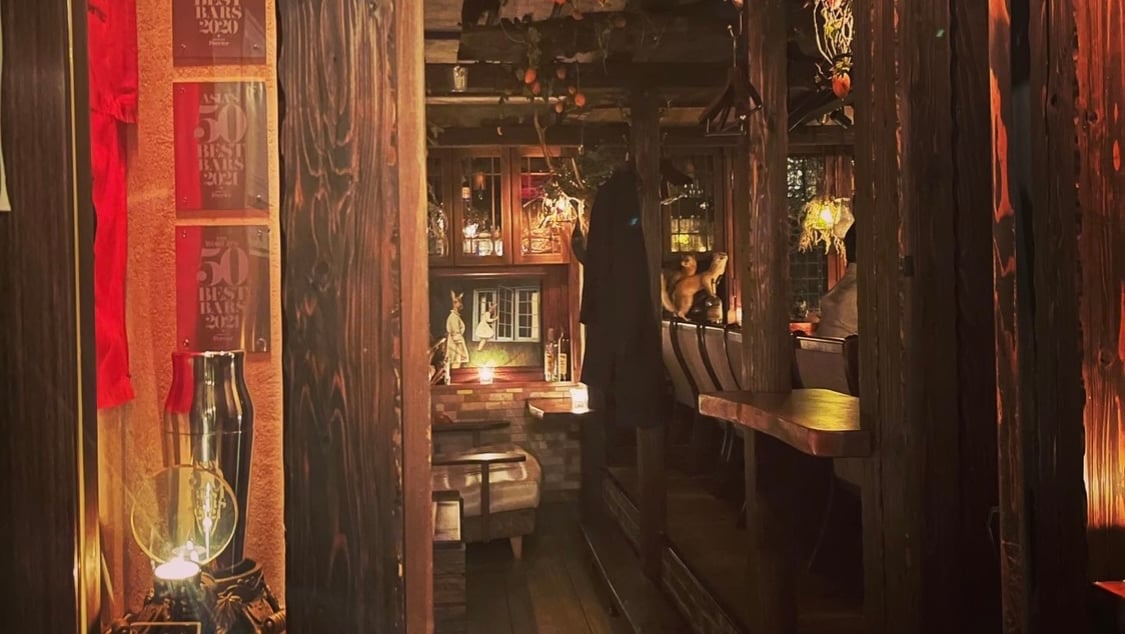
BenFiddich is the kind of bar that bartenders from other cities make pilgrimages to visit, a narrow room in a Shinjuku building with a herbalist's soul and a magician's instinct. Owner Hiroyasu Kayama grows many of his own botanicals, and the cocktails he produces from them are unlike anything you will encounter in a hotel bar or a cocktail chain — complex, layered, sometimes murky with herbs and wholly original. The menu is short and the prices are not low, but the experience justifies both. Kayama moves behind the bar with monastic concentration, muddling wormwood and measuring absinthe from antique bottles as if performing a ritual that must not be rushed. The room holds perhaps a dozen people, and conversation is quiet by instinct rather than rule. This is a destination rather than a stop, a place where you sit down intending to stay for one drink and order a third before you realize what's happened. If you love cocktails seriously, BenFiddich is an essential evening.
Uotami Shibuya
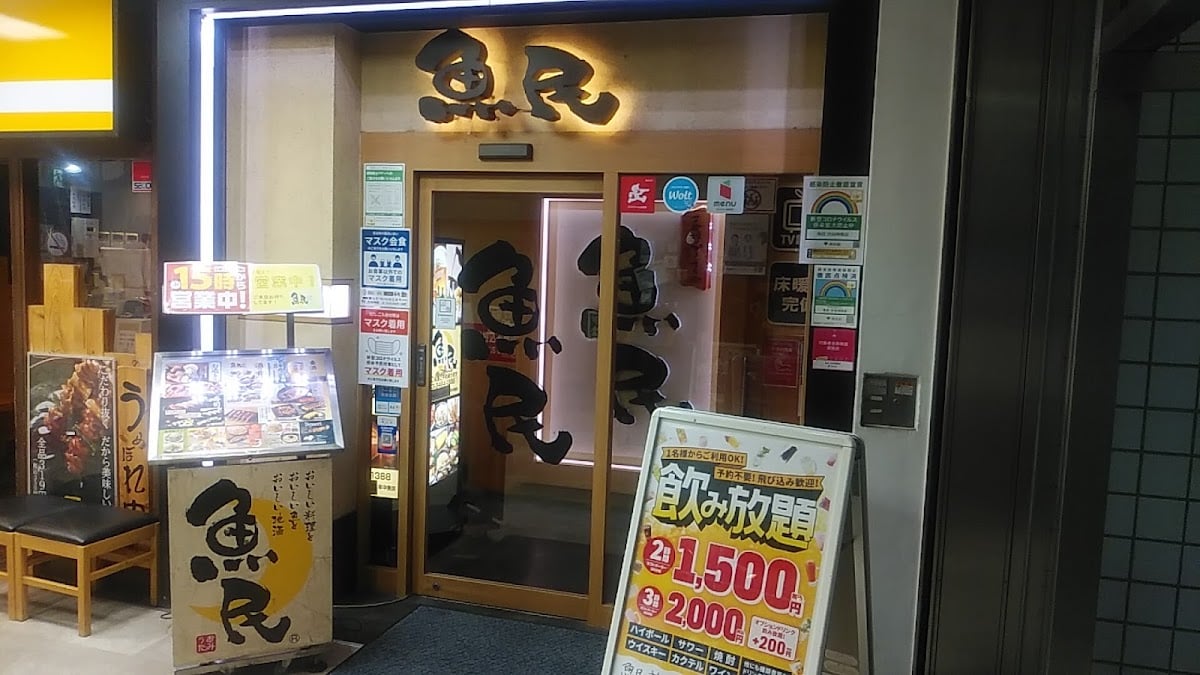
Uotami is the izakaya that Shibuya's after-work crowd gravitates toward when what they want is uncomplicated abundance — a long menu, a loud room, and the understanding that nobody is going to judge what or how much you order. The seafood is the main event: sashimi platters arrive with glistening cuts of tuna and salmon arranged over crushed ice, grilled mackerel comes with a wedge of sudachi and a small dish of grated daikon, and the clam miso soup is the kind that actually tastes of the sea. The room is divided into sections by low partitions, creating a sense of semi-privacy despite the general din, and the servers wear the cheerful efficiency of people who are very good at a job that requires both speed and memory. You will eat more than you planned, which is the mark of any truly good izakaya. Order the karaage — the fried chicken arrives in a pile with a squeeze of lemon and a small pot of mayonnaise — and you will understand why Japanese fried chicken has earned its global reputation.
Nonbei Yokocho (Shibuya)
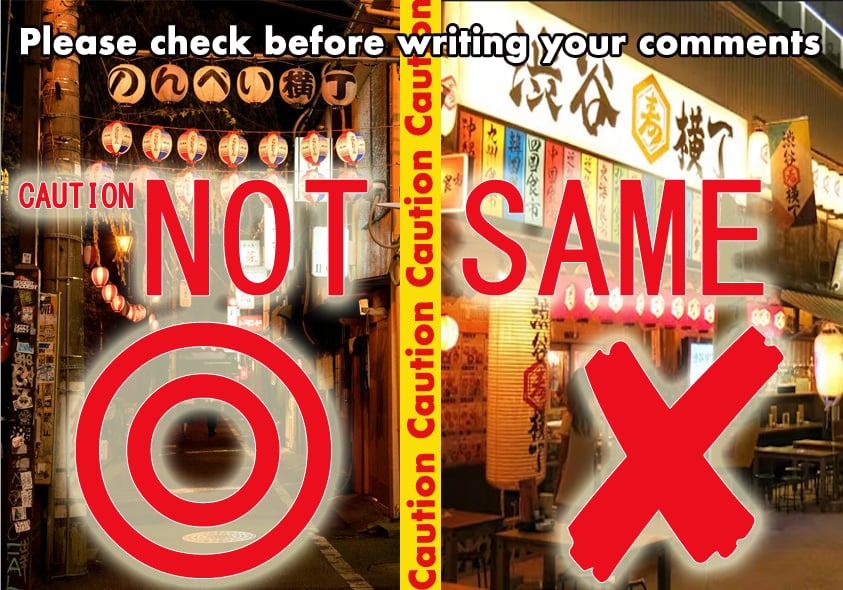
Nonbei Yokocho — Drunkard's Alley — is Shibuya's quieter answer to Shinjuku's Omoide Yokocho, a short lane of low wooden buildings that feels displaced from an earlier Tokyo and all the better for it. The bars here are intimate to the point of claustrophobia, many seating no more than eight people, and several have handwritten signs indicating they are regulars-only or reservation-required — which only adds to the appeal of those that remain open to strangers. The lane runs parallel to the Yamanote line, and every few minutes the rumble of a passing train provides a low, reassuring bass note beneath the conversation. In the evenings the lanterns come on and the alley glows amber, and the smell of cigarette smoke and oden broth drifts out of the open doorways. Pick a bar at random — the best ones rarely advertise — take a stool, and let the bartender decide what you're drinking. The whole street covers less than a hundred metres and contains more atmosphere per square foot than most cities manage in an entire neighbourhood.
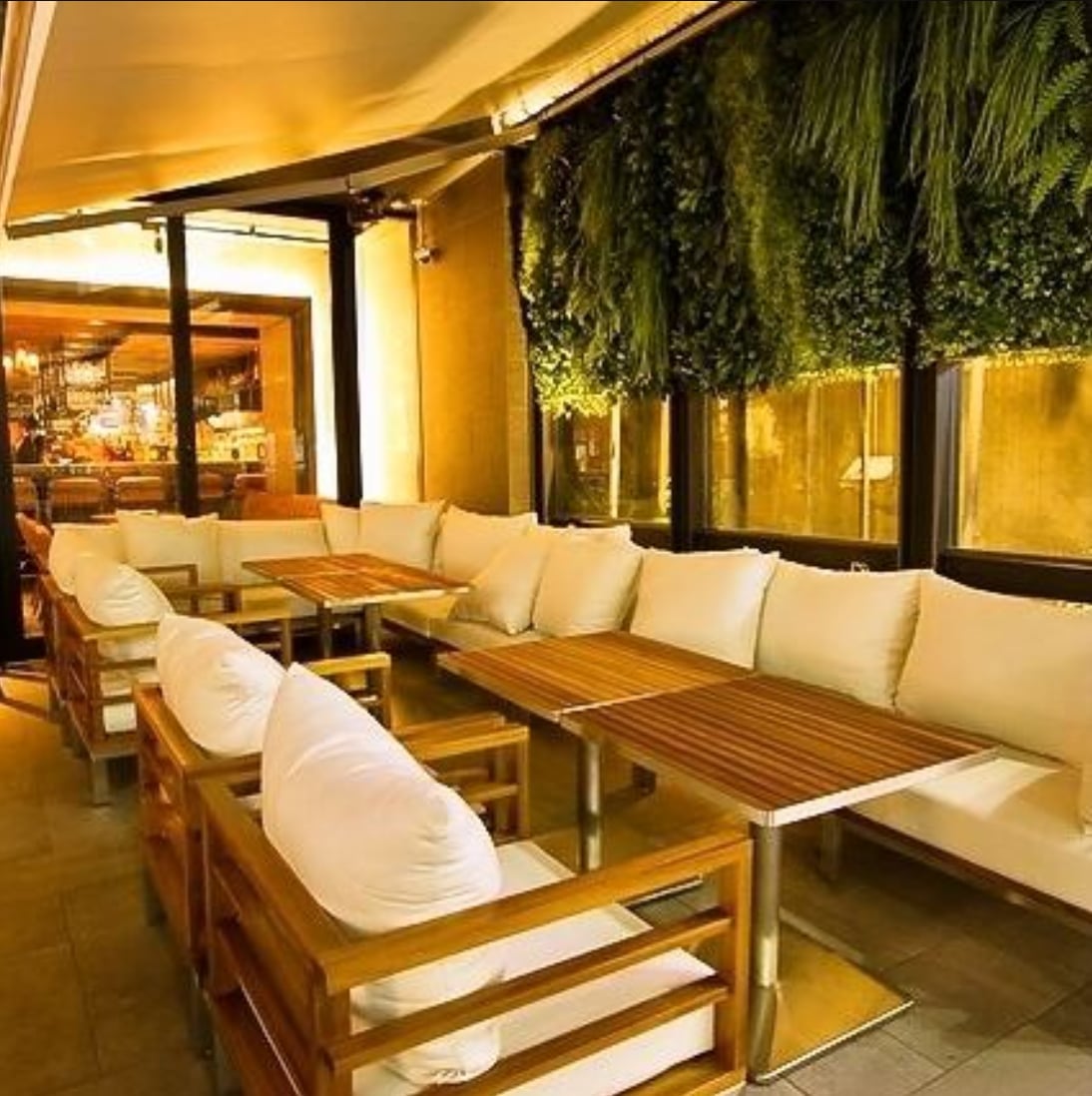
Nakameguro Canal Bar Walk
The Nakameguro canal is one of Tokyo's most photogenic stretches of city, a tree-lined waterway that is crowded with cherry blossoms in spring and with young couples and creative professionals year-round. At night the trees are strung with lights, their reflections rippling on the dark water, and the bars and restaurants that line the banks open their doors directly onto the promenade. The area is less a single bar than a sequence of drinking choices — from standing wine bars where the bartender opens bottles across a narrow counter to basement cocktail rooms reached by steep metal stairs. The energy is different here than in Shinjuku: quieter, more self-conscious, more interested in looking good in photographs, but no less warm for that. The canal itself provides a focal point that most Tokyo neighbourhoods lack, a reason to walk slowly and let the evening unfold at the pace of the water. Stop at Nakameguro Taproom for a craft beer from the terrace, or simply walk the canal with a can bought from a convenience store and feel entirely content.
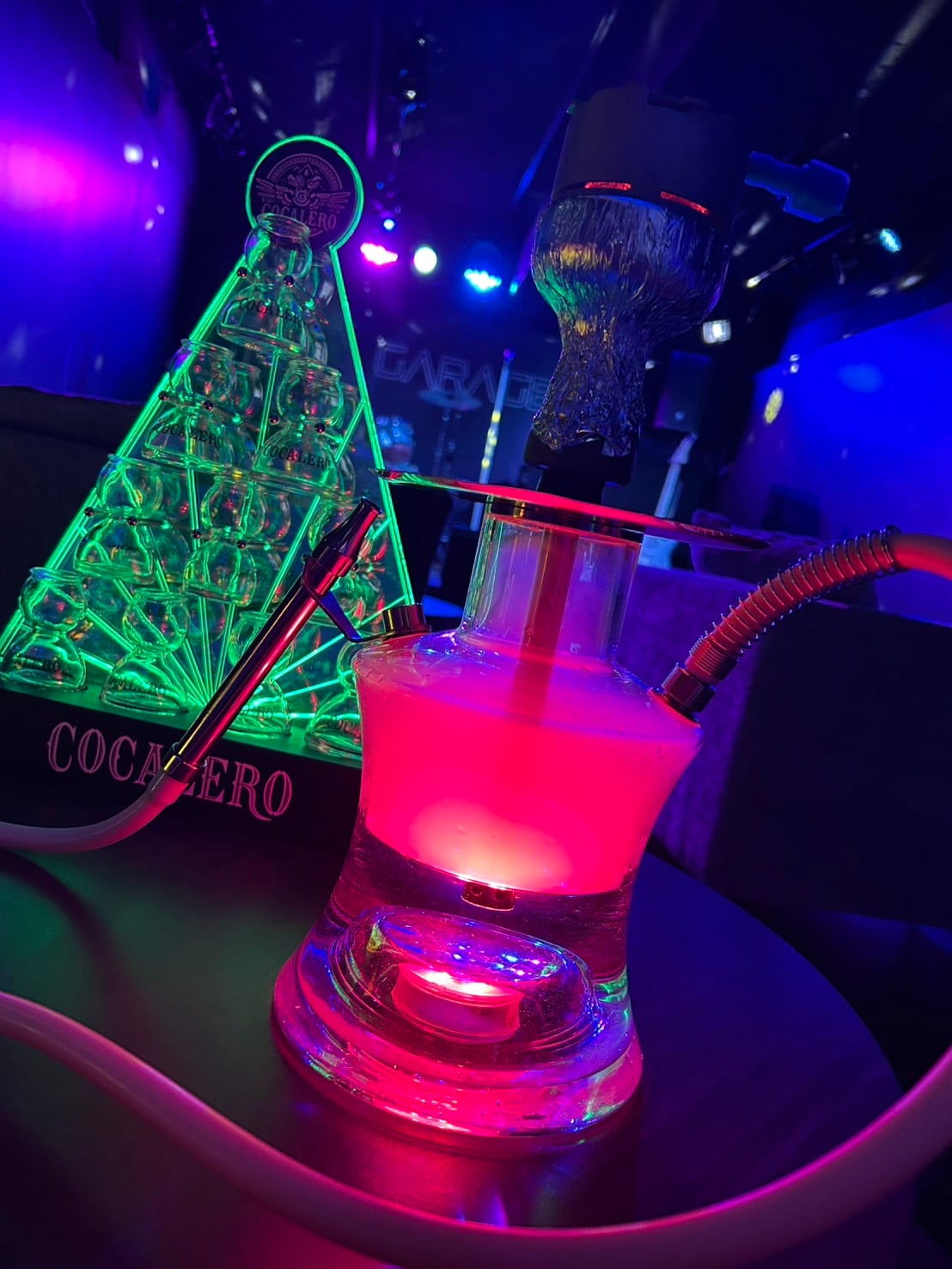
Garage Bar (Shimokitazawa)
Shimokitazawa is Tokyo's answer to the question of what happens when a neighbourhood decides that coolness is incompatible with development, and Garage Bar is exactly what the answer looks like from the inside. The bar is built from salvaged materials, corrugated iron and reclaimed wood, with mismatched stools, a record player that is always on, and walls covered in band flyers for gigs that happened in 2009 and gigs that are happening this weekend. The beer list is short — draft, bottled, and whatever the owner decided to import this month — and the cocktails are simple and strong and not the point. The point is the crowd: musicians who play at the venue two streets over, graphic designers, vintage shop owners, people who moved to Shimokitazawa from other parts of Tokyo and never quite got around to leaving. The conversation comes easily, the night moves slowly, and around midnight someone will almost certainly put on a record that you forgot you loved and the room will shift into something like euphoria.
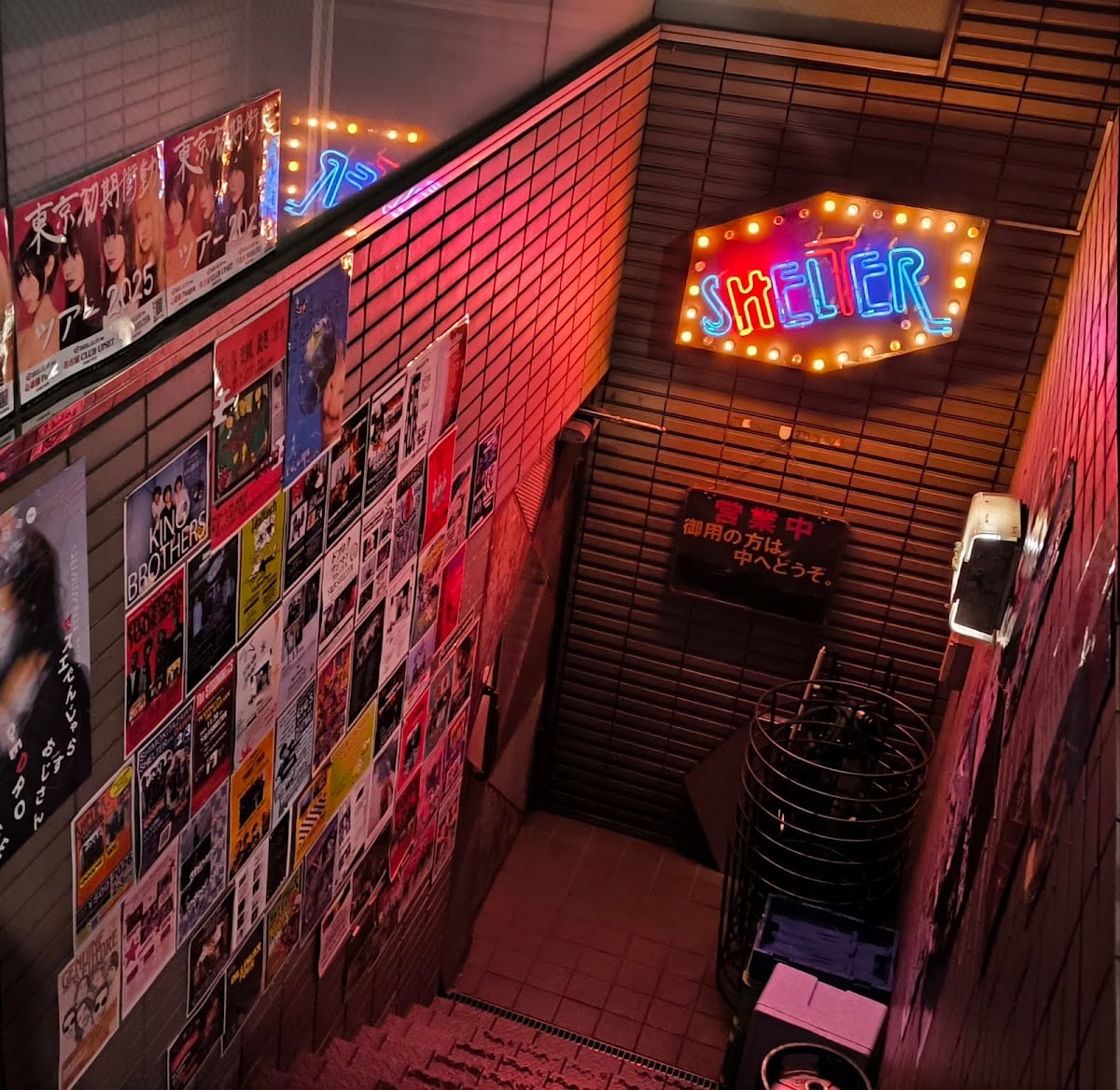
Shelter Live Music Venue (Shimokitazawa)
Shelter is a basement live music venue in Shimokitazawa that has been operating since 1991 and has the aesthetic of a room that hasn't tried to update itself since then — which is entirely to its credit. The ceiling is low, the stage is compact, the PA system sounds better than it should given the room's dimensions, and on any given Friday night you might see a jazz quartet, a post-rock band, or a noise act so abstract that the audience stands in respectful silence trying to determine when the piece has ended. The drinks are served from a bar at the back where a small television usually shows baseball with the sound off. The crowd is almost entirely Japanese and almost entirely serious about music in the way that Shimokitazawa crowds always are — attentive, knowledgeable, ready to applaud with genuine enthusiasm and discuss the set afterward with genuine thought. This is not a tourist experience; it is a neighbourhood institution, and the city is better for its existence.
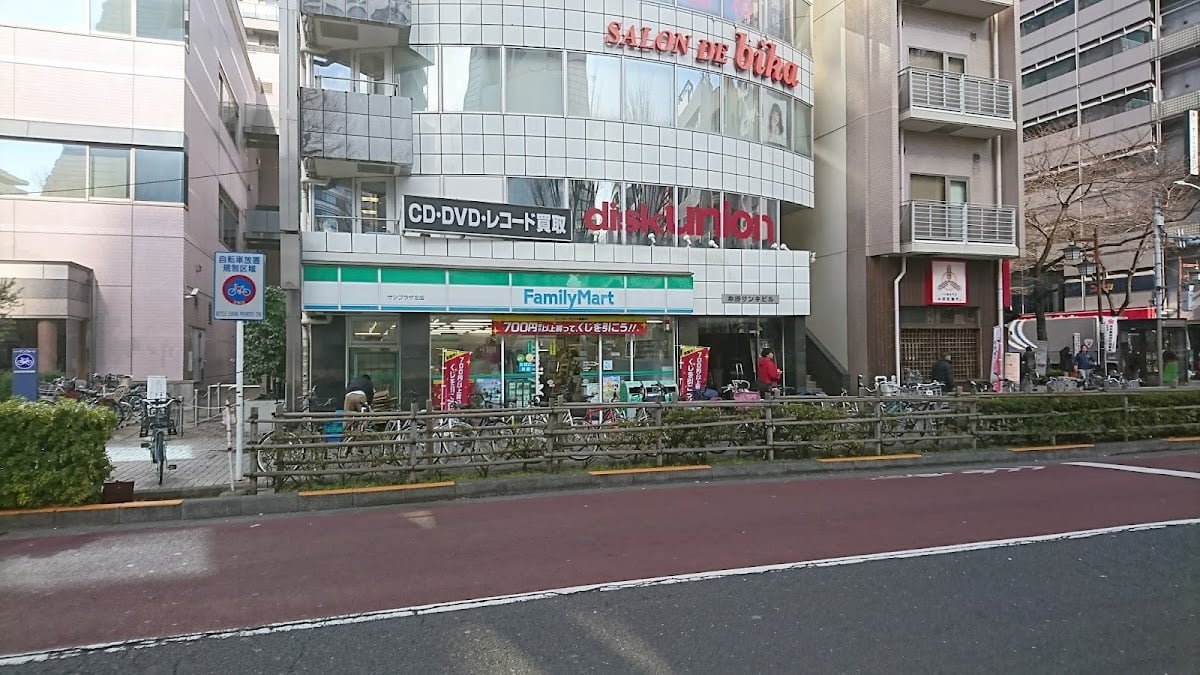
Disc Union Bar (Koenji)
Koenji sits on the Chuo line west of Shinjuku and has long been Tokyo's most stubbornly analogue neighbourhood, a place where vintage clothing shops, second-hand bookstores, and record dealers occupy the same few streets and feed a community that prefers its culture with some physical weight to it. The Disc Union bar — a small drinking room annexed to one of the neighbourhood's many vinyl shops — is where that community comes after browsing. The walls are shelved with records and the bartender selects what plays, drawing from a collection that spans free jazz and krautrock and early Japanese folk and whatever arrived in the shop last week that demanded immediate listening. Beer is served cold in cans, whisky comes in measured pours over ice, and the conversation, when it happens, tends toward the earnest and the detailed — questions of pressing quality and regional distribution and the specific way a certain drummer played on a certain 1974 recording. You are not required to know anything, but if you bring curiosity and patience, the room will teach you things.
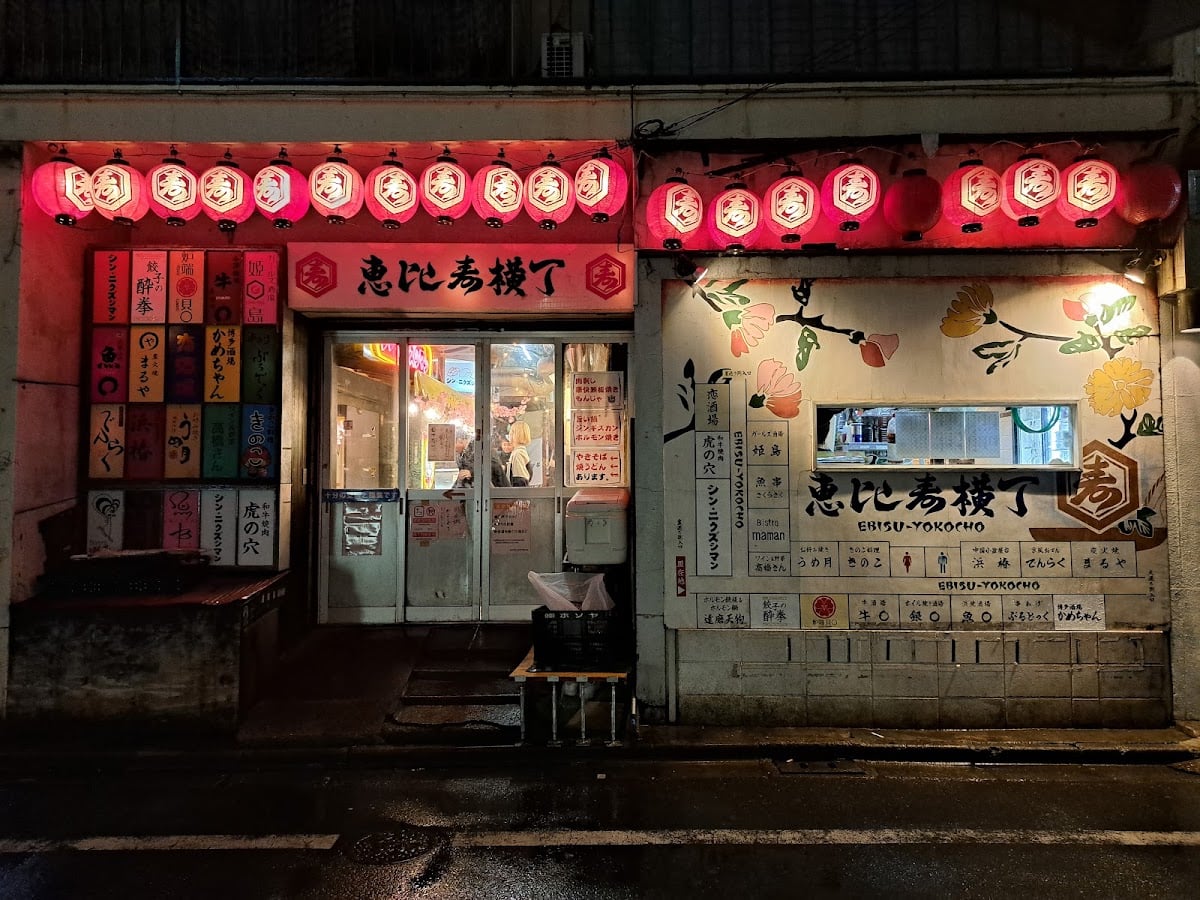
Ebisu Yokocho
Ebisu Yokocho is an indoor alley of tiny stalls crammed under a single roof in Ebisu, a neighbourhood otherwise defined by galleries and quiet money, and the contrast is part of the pleasure. The entrance from the street gives no hint of what lies within — you push through a door and find yourself in a narrow corridor flanked by perhaps twenty stalls, each with a grill, a counter, and a cook who is simultaneously the server and the conversation partner. The air is thick with the smoke from Okinawan pork ribs and the steam from pots of ramen broth, and the noise level is such that you lean close to be heard and find you don't mind. The crowd skews young and creative — designers, musicians, photographers — and the stalls serve everything from yakitori to Korean pancake to grilled corn slathered with miso butter. There is always a wait for a stool at the best counters, but the etiquette of Ebisu Yokocho encourages you to order a beer and stand in the aisle until space appears, which it always eventually does.
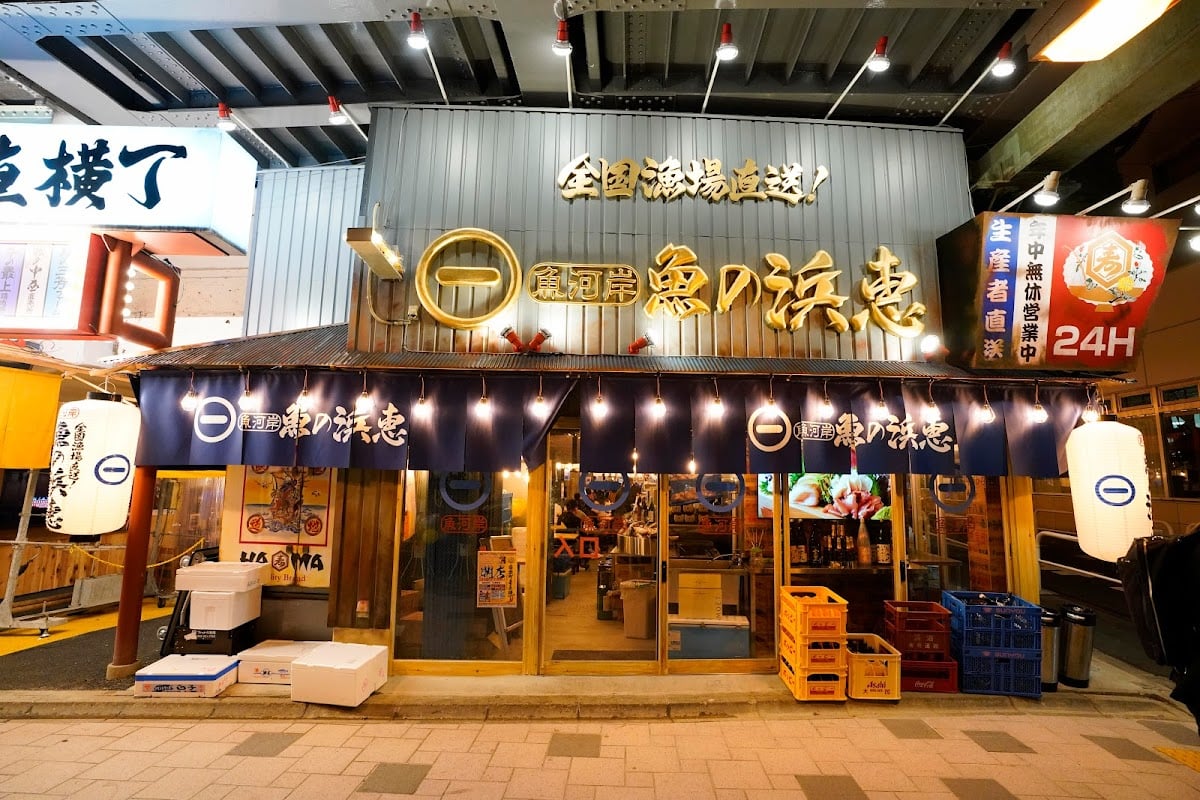
Yurakucho Under-Track Izakayas
Beneath the elevated Yamanote and Keihin-Tohoku railway lines in Yurakucho, a strip of old izakayas has been operating in the brick arches since the 1950s, and the fact that the world's most expensive real estate sits just a few hundred metres away has done nothing to displace them. Each arch is a separate establishment: smoky, low-ceilinged, beer-stained, wonderful. The clientele is a cross-section of Tokyo professional life — suits from the nearby government offices, construction workers from the subway line being extended to the south, taxi drivers on break — and the conversation moves between them with the ease of people who share the same understanding that the best part of the day is over and the best drink of the evening is being poured right now. The menu is minimal and unchanging: draft beer, cold sake, grilled skewers, pickled vegetables, a plate of edamame. Every few minutes a train passes overhead and the whole arch shudders slightly and the conversation pauses and then resumes exactly where it left off.
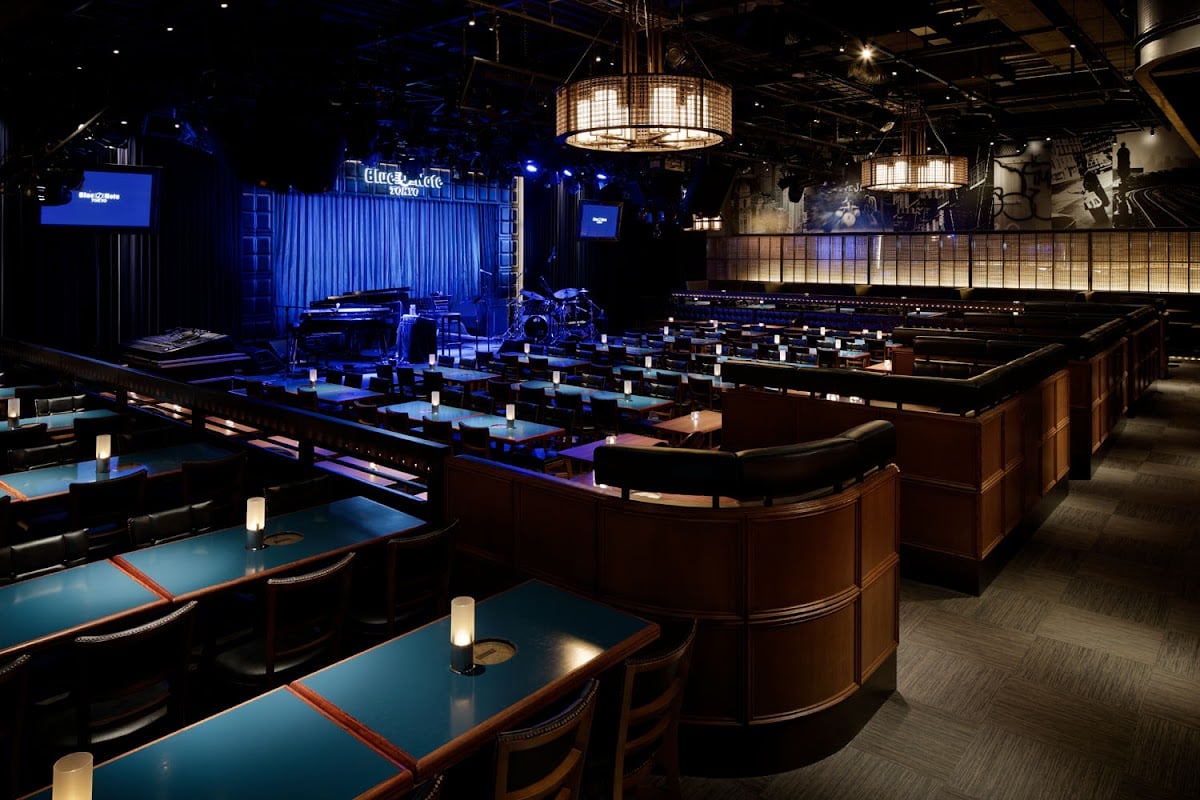
Blue Note Tokyo (Ginza Jazz Bar)
The Blue Note Tokyo operates from a beautiful subterranean room near Omotesando and books the kind of jazz acts that make serious music listeners rearrange their travel schedules — Herbie Hancock, Chick Corea, Marcus Miller, artists of that calibre performing in a room that holds perhaps two hundred people. The acoustics are careful and the sound system is extraordinary, calibrated for jazz specifically, which means you hear things in live performances that recordings cannot fully convey — the breath before a phrase, the scrape of a bow against strings, the way a drummer shifts the weight of a backbeat at exactly the right moment. The drinks are expensive and the cocktail menu is thoughtful and the staff move quietly so as not to intrude on the music. For a different Ginza jazz experience at a lower price point, seek out one of the many smaller jazz kissa — listening bars where recorded music is played at concert volume and conversation is discouraged by custom if not by rule — scattered through the side streets.
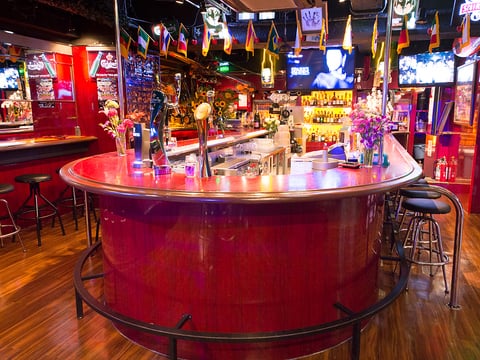
Bar Isn't It (Roppongi)
Roppongi's reputation as Tokyo's most international and most exhausting nightlife district is entirely deserved, and Bar Isn't It is one of the places that makes the exhaustion worth tolerating. The bar is on an upper floor of a building in Roppongi Hills, small and wood-panelled, with a bartender who trained seriously and takes cocktails seriously without taking himself seriously at all. The gin and tonic here is made with a gin selected to your specification and a tonic water poured table-side from a small bottle, and the exercise of choosing — from a shelf of thirty gins organized by botanical profile — is itself a pleasure. The crowd is mixed in the way only Roppongi reliably manages: expats, Japanese professionals, tourists who wandered in from the gallery, diplomats in their off hours. The view from the window looks over the Tokyo skyline on one side and back into the neon circus of Roppongi's main strip on the other, and the contrast between these two views perfectly encapsulates the neighbourhood's permanent identity crisis.
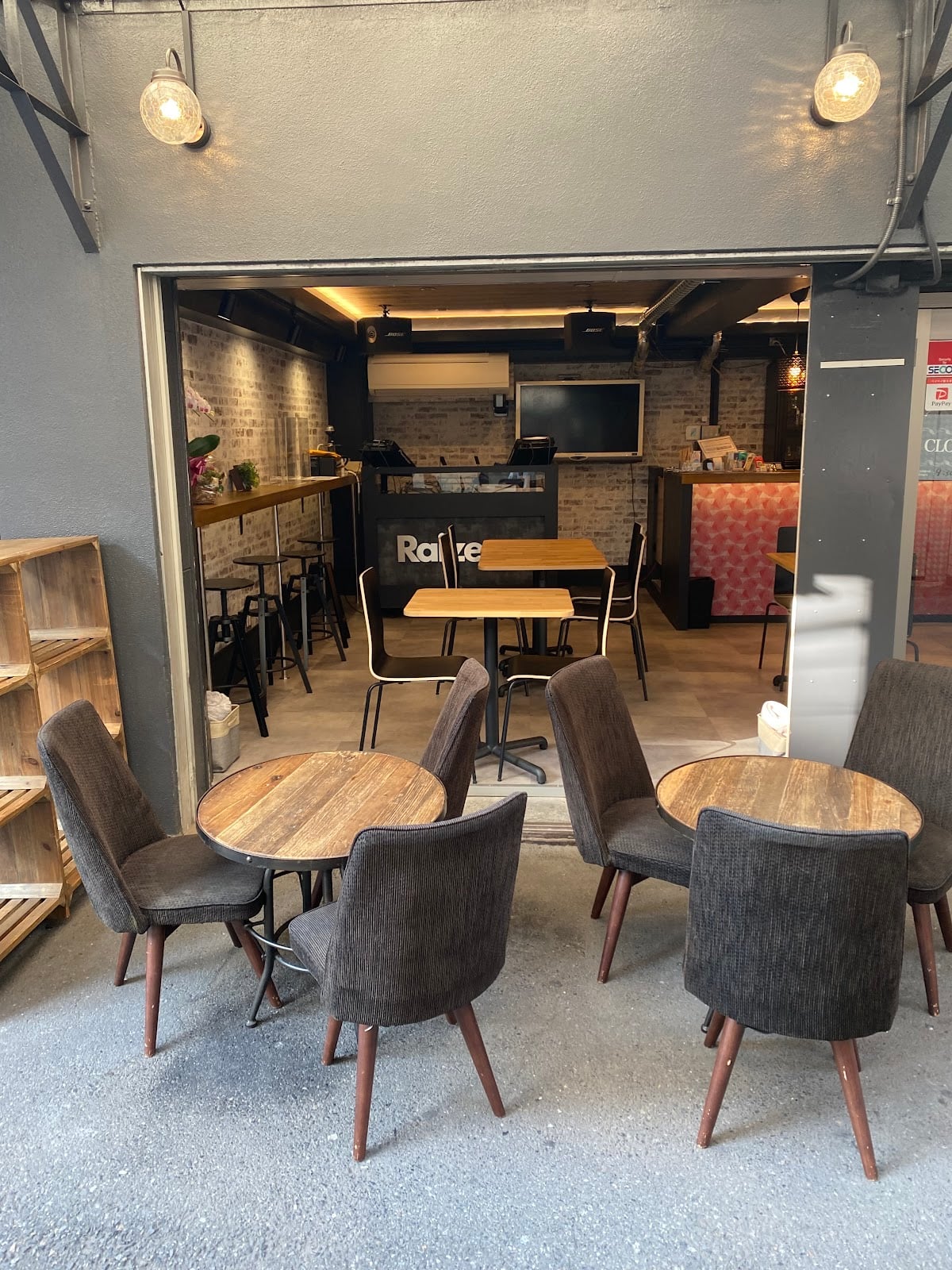
Akihabara Standing Bar (Kandabar)
Akihabara is overwhelmingly an electronics and anime district by day, but by night a few standing bars cater to the engineers and programmers and devoted hobbyists who remain after the shops close. Kandabar is a standing izakaya that operates from a narrow room near the electric town exit of Akihabara station, with a long counter and no chairs and a policy of not making anyone feel strange for drinking alone or for talking too enthusiastically about a specific model of vintage transistor radio. The shochu is served in generous measures over ice, the bar snacks are what you'd expect — edamame, small plates of pickles, a saucer of peanuts — and the television in the corner cycles between baseball highlights and anime. The crowd is overwhelmingly male and overwhelmingly absorbed in their own thoughts or their own phones, but ask the man next to you what he does and you will inevitably end up in a conversation that is far stranger and more interesting than anything you could have predicted.
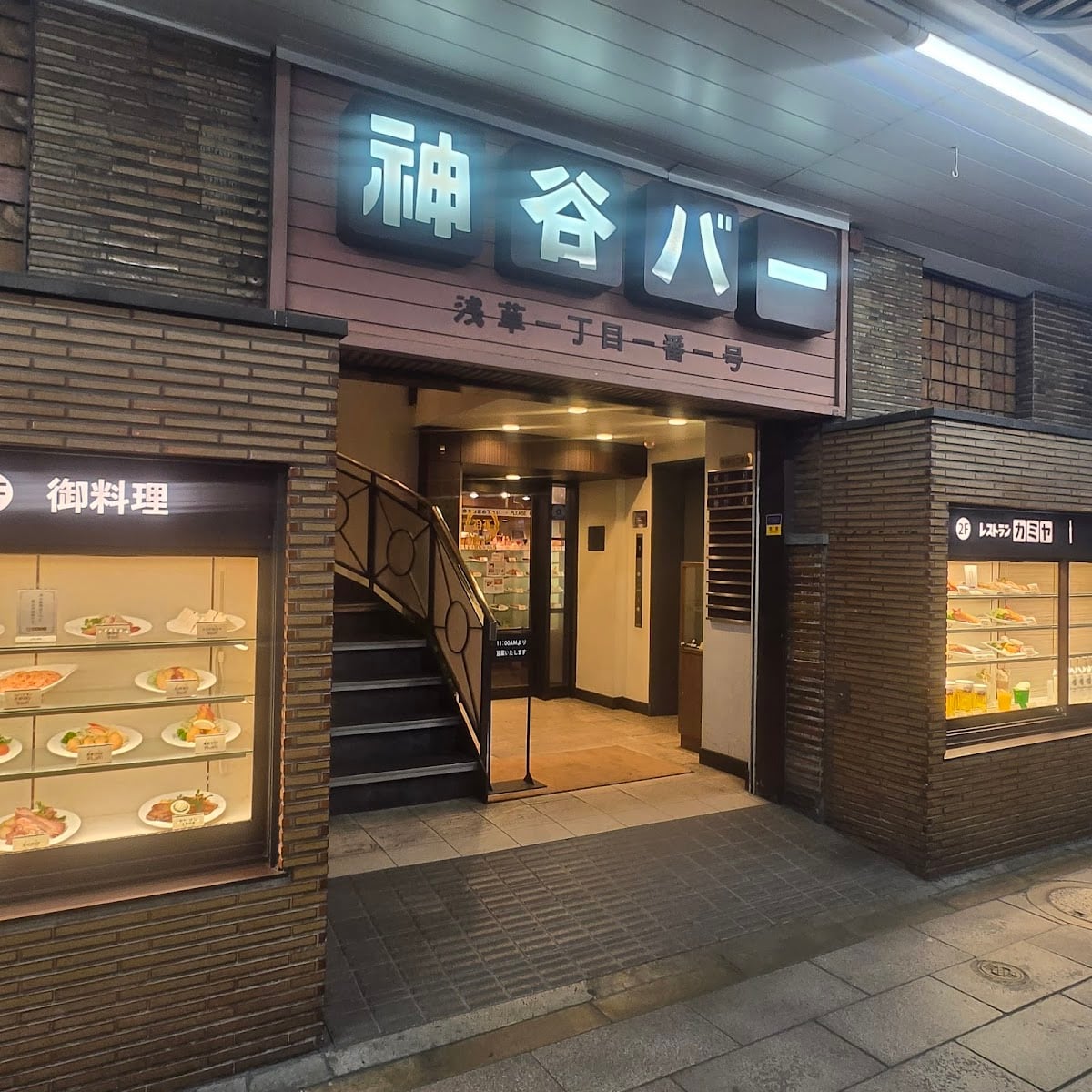
Kamiya Bar (Asakusa)
Kamiya Bar opened in 1880 and has the distinction of being Tokyo's oldest Western-style bar, a fact it wears with the confidence of an institution that has survived wars, earthquakes, and the complete transformation of everything around it. The building is three floors and the ground floor is the one worth knowing — a large, bright, tiled room with long communal tables and a cafeteria-style service system where you purchase tickets at the door and exchange them at the counter. The house speciality is Denki Bran, a brandy-based liqueur invented here in the Meiji era, which tastes like medicine in the best possible sense and which the management sensibly recommends you accompany with food. The clientele is a democratic mix of age and profession united by the understanding that they are in a historic place and that the history is the point. Outside, the streets of Asakusa are quieter than Shinjuku or Shibuya, more orange than blue in their lighting, and the nearby Senso-ji temple is visible at the end of the main approach, its lanterns glowing in the dark.
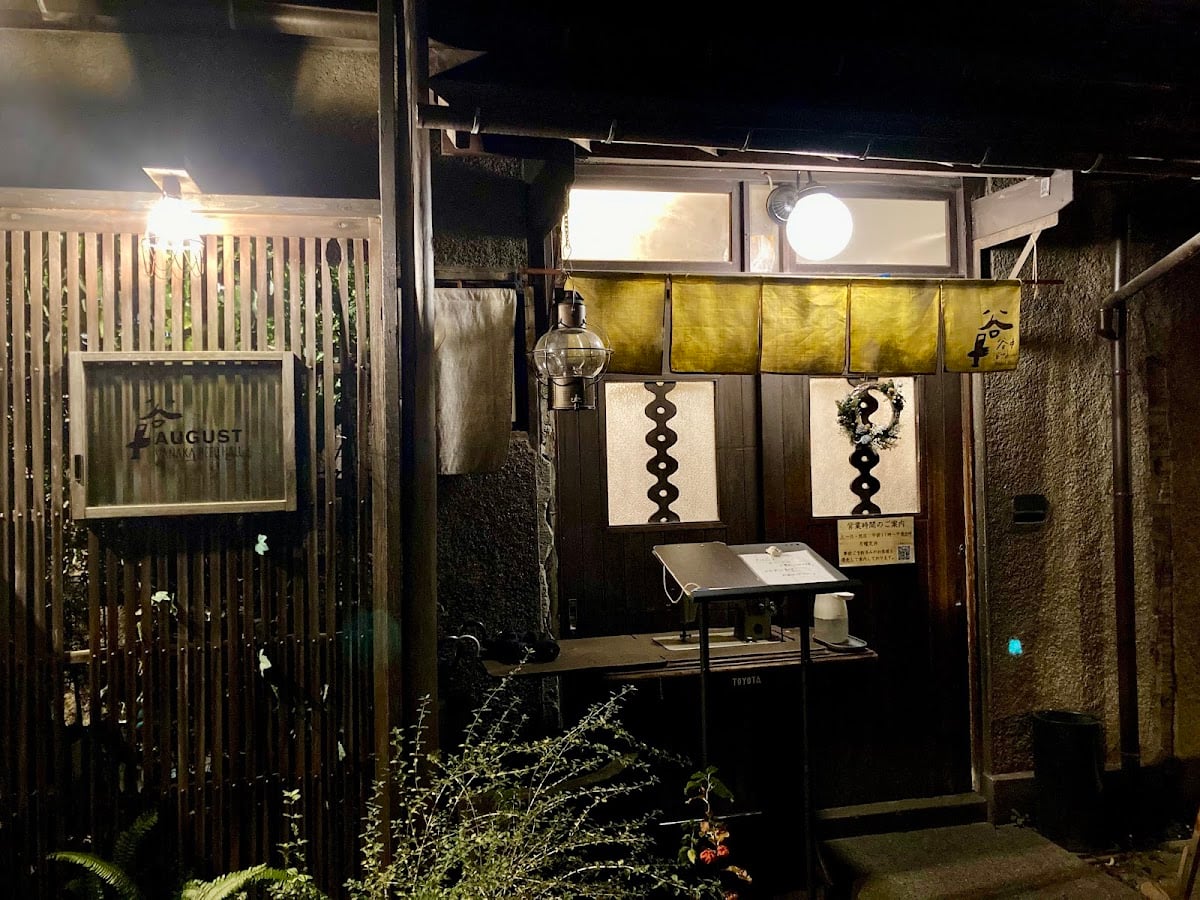
Yanaka Sake Bar (Nishi-Nippori)
Yanaka is the Tokyo neighbourhood most often described as the one that survived the twentieth century with its character intact — low wooden houses, family businesses running across multiple generations, alley cats who belong to everyone and no one — and the small sake bar near Nishi-Nippori station embodies all of that in the form of a narrow room run by a woman in her sixties who has been selecting sake for this neighbourhood for thirty years. The menu changes by season and by what caught her attention at the breweries she visits in Niigata and Yamagata and Akita, and she will describe each bottle if you ask with the kind of loving specificity that is indistinguishable from art criticism. Nihonshu in all its registers is here: crisp and dry junmai, floral and fragrant ginjo, rich and almost chewy yamahai — poured in small ceramic cups at a temperature she has decided upon and which you will not question because she is always right. This is a place for quiet conversation and concentrated pleasure, and it closes early enough to remind you that some of the best things in Tokyo do not operate on nightclub time.
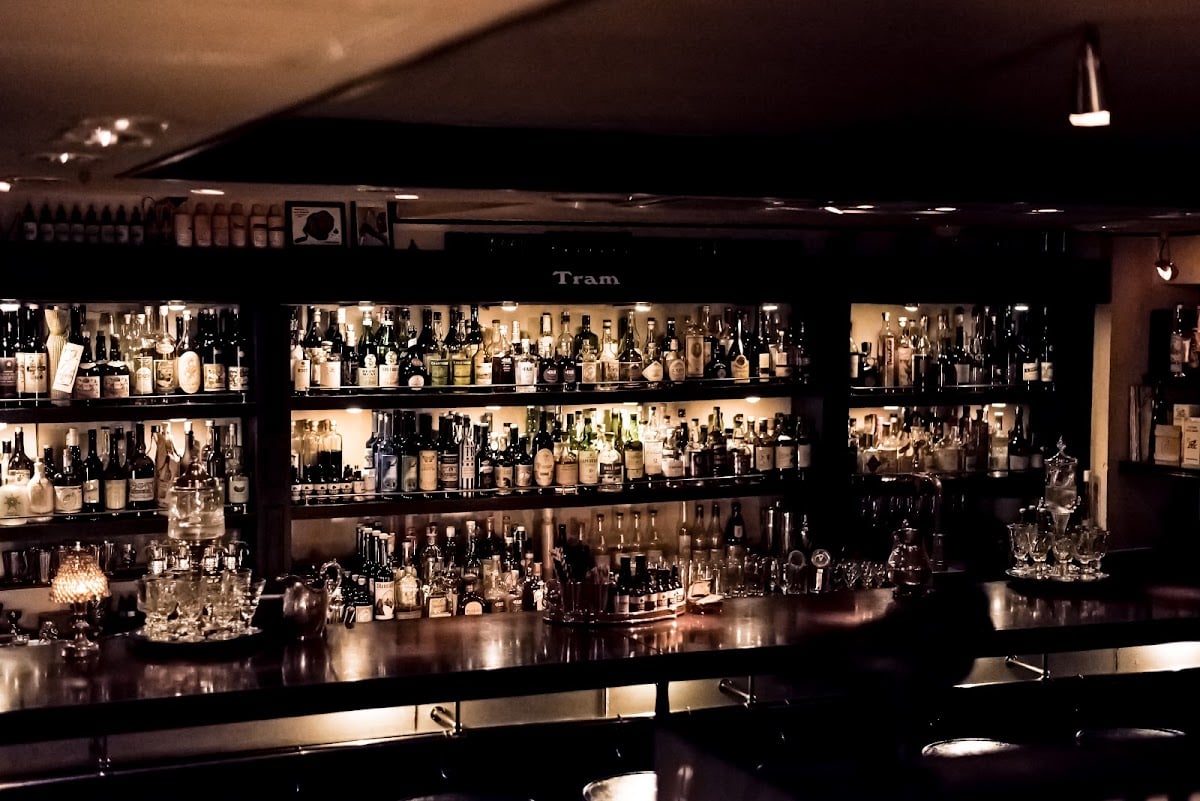
Bar Tram (Omotesando)
Bar Tram is a cocktail bar on a basement level in Omotesando that has been operating since 1993 and radiates the particular confidence of a place that has never needed to change because it got everything right the first time. The room is long and narrow with a curved bar counter, the lighting is amber and exactly as low as it should be, and the cocktail menu is organised not by spirit but by mood — which tells you something about the philosophy of the place. The bartenders trained in the Japanese style, which means unhurried attention to technique: ice carved to a specific size for a specific drink, citrus squeezed to order, stirring or shaking determined by principles rather than preference. The clientele is Omotesando wealthy — fashion industry, architecture, brand management — but the bar does not feel exclusive in any chilly sense. You simply feel slightly better dressed than you are and slightly more composed than you feel, which is precisely what a great cocktail bar is supposed to do to you.
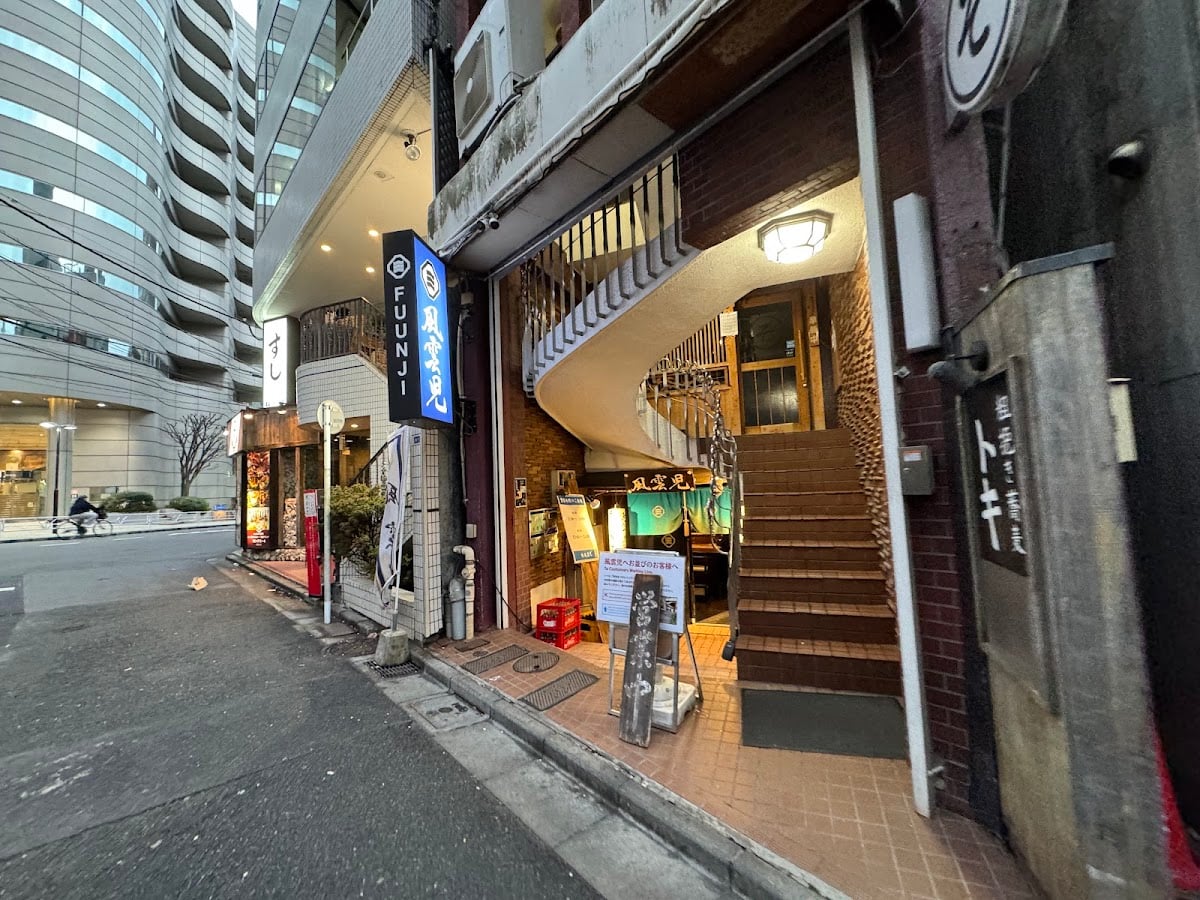
Fuunji Ramen (Shinjuku, Midnight)
Fuunji is a tsukemen specialist — a style where the noodles arrive cold and separate from a dense, rich dipping broth — and it is the last and best stop on any long night in Tokyo, a reminder that the city's metabolism runs on noodles as much as alcohol and stays open to serve them long after other cities have gone to bed. The shop is small and operates on a ticket machine system: you select your size at the door, purchase a ticket, hand it to the cook, and wait at the counter where a small placard explains the protocol for those eating tsukemen for the first time. The broth is made from double stock — chicken and fish — and is so thick and savoury that it coats the noodles with each dip and sits heavily and completely satisfyingly in the stomach after an evening's drinking. Around you at the counter are people in various states of late-night Tokyo: a salaryman who missed the last train and has accepted this, a group of students who started the evening in Shimokitazawa, a couple who have argued and made up and arrived here as evidence of reconciliation. The cook moves fast and says little and the broth is always the same and always exactly what you need.
Abre o Google Maps com todos os 20 locais marcados
Receba novos guias na sua caixa de entrada
Subscreva a newsletter da Mapita e receba guias de cidades selecionados assim que forem publicados. Sem spam, só bons sítios.
Subscrever — é gratuitoPerguntas Frequentes
Como abro este guia no Google Maps? ▾
Toque no botão "Abrir no Google Maps" e todos os 20 locais aparecerão como marcadores no Google Maps. Pode guardar a lista na sua conta para acesso offline.
Posso usar este guia offline? ▾
Sim! Depois de guardar a lista do Google Maps na sua conta, os locais ficam disponíveis mesmo sem internet. Descarregue a área do mapa offline no Google Maps antes da viagem.
Com que frequência este guia é atualizado? ▾
Este guia foi atualizado pela última vez a 11 de abril de 2026. Revemos e atualizamos regularmente os nossos guias para garantir que todos os locais continuam abertos e vale a pena visitar.
Abrir no Google Maps
Obtenha todos os 20 locais deste guia diretamente no Google Maps.
Ver 20 locais no MapsAbre o Google Maps com todos os 20 locais marcados
Receba novos guias na sua caixa de entrada
Guias de cidades selecionados enviados assim que são publicados. Gratuito para sempre.