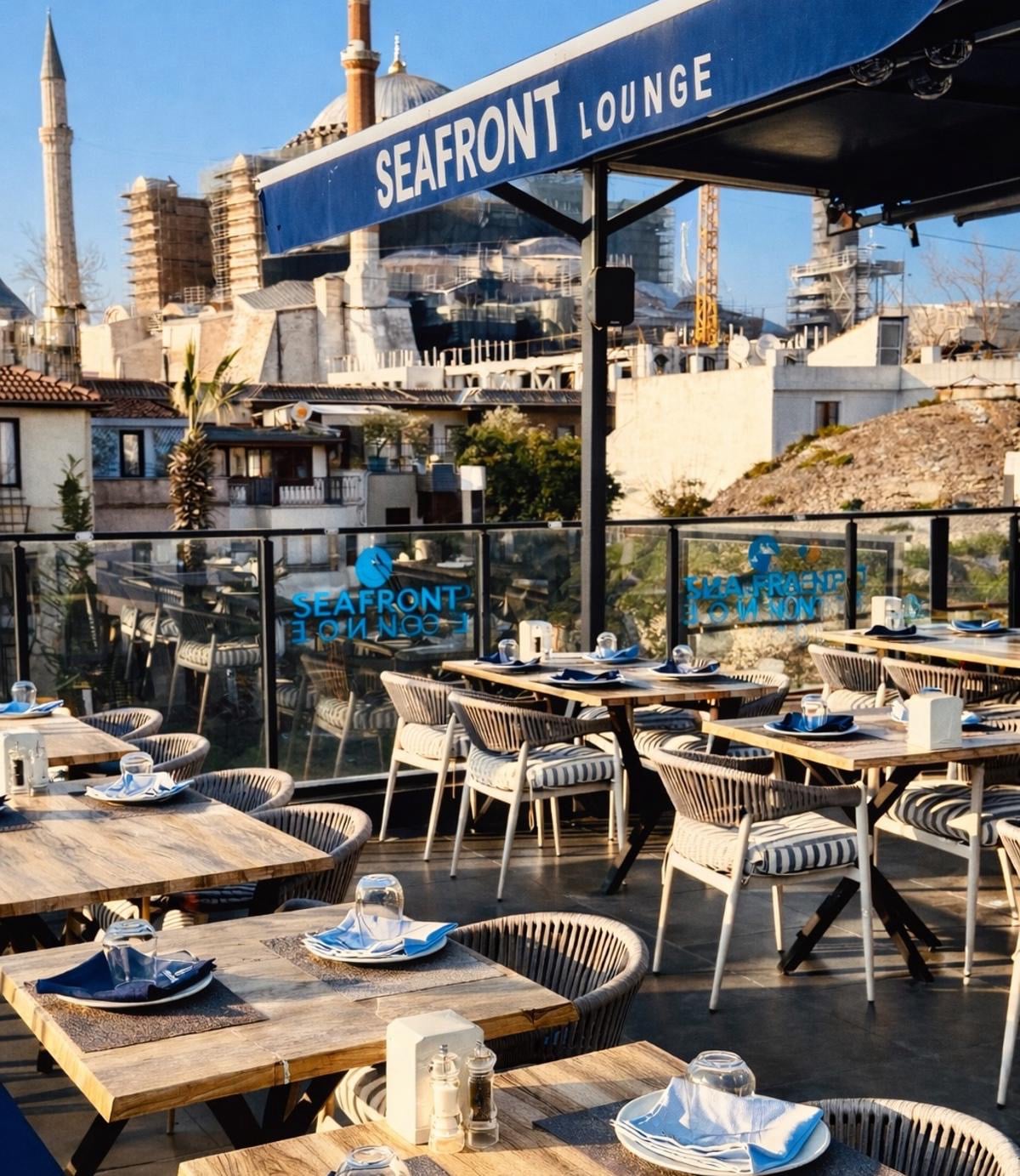
Istanbul: Rooftops, Meyhanes & Ferries
 Leila Yilmaz
 Visão geral
Istanbul is a city that exists in layers — Roman, Byzantine, Ottoman, and modern — and the best way to peel them back is through its drinking and eating culture. Begin at the waterfront, where Bosphorus ferries cut between two continents and the salt air smells of grilled fish and diesel, an intoxicating combination that will anchor you to the city for the rest of the day. At night, Istanbul's meyhanes — the boisterous, raki-soaked taverns of Beyoğlu and Kadıköy — pull you into a world of shared meze plates, improvised toasts, and tables that stretch on until midnight. Then, as the city catches its breath, rooftop bars suspended between Europe and Asia offer you the most cinematic skyline on earth: minarets illuminated gold, the Bosphorus a sheet of black silk below, and the hum of a city that never quite sleeps.
Map
20 pinned placesLocais em destaque
Descubra os melhores locais deste guia cuidadosamente selecionado. Cada local foi visitado e verificado para garantir uma experiência autêntica e memorável.
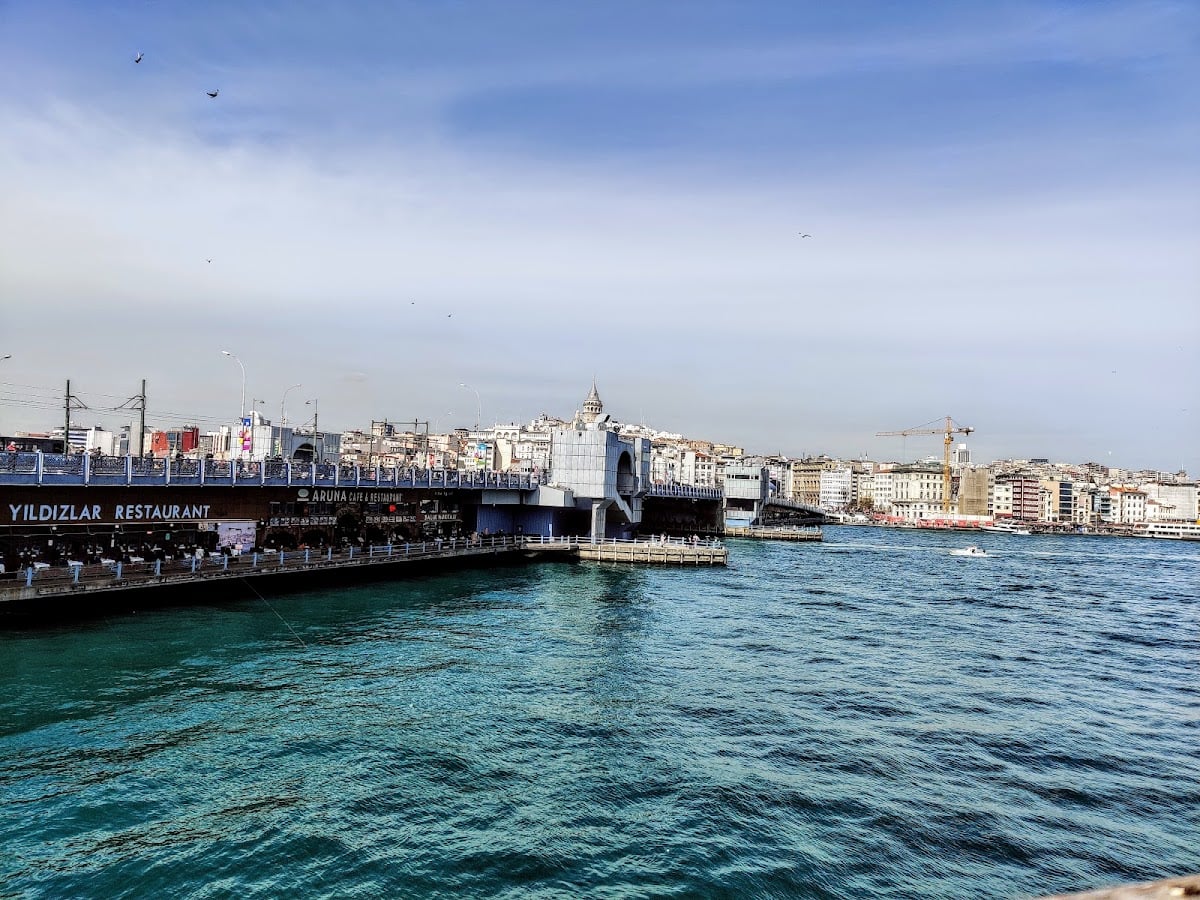
Eminönü Ferry Terminal & Bosphorus Ferry
The Eminönü ferry terminal is where Istanbul begins to make sense. You arrive at the waterfront to a wall of sound — seagulls screaming, ferry horns bellowing across the strait, vendors calling out from grills loaded with mackerel that perfume the salt-heavy morning air. The orange-and-white ferries bob at their berths, diesel engines idling, commuters streaming aboard with tea glasses still in hand. As the boat pulls out into the Bosphorus, the city unfolds around you in every direction: the Blue Mosque and Hagia Sophia rising above the Sultanahmet peninsula to your left, the Galata Tower presiding over Beyoğlu to your right, and ahead the Asian shore shimmering in the haze. The crossing takes roughly twenty minutes but feels suspended outside of time — seagulls wheel alongside, the current pushes against the hull, and the weight of the city's millennia presses gently on your chest.
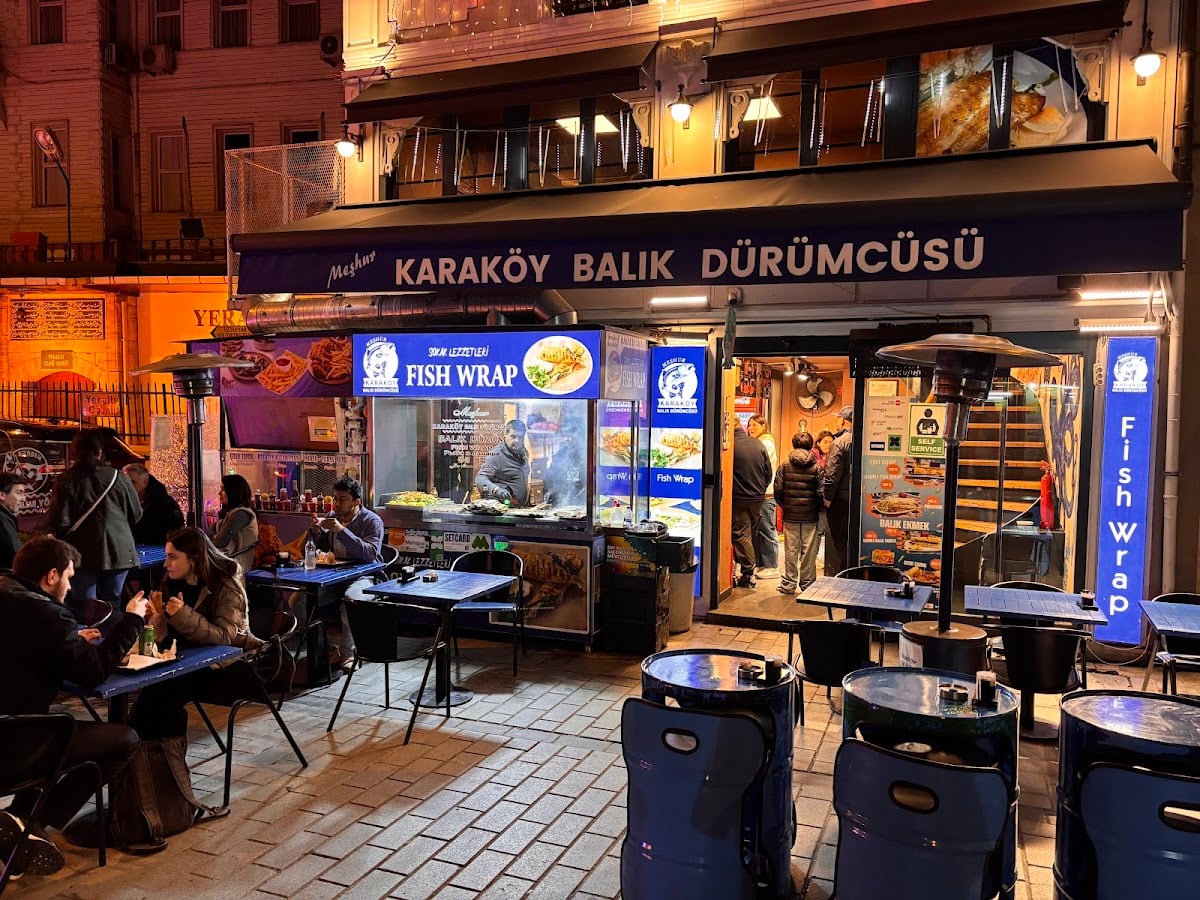
Karaköy Fish Sandwich Stalls
Just off the Galata Bridge, a row of rocking boats serve the city's most honest meal. The balık ekmek — mackerel grilled over charcoal inside a crusty white roll, dressed with raw onion and a squeeze of lemon — costs almost nothing and tastes like the Bosphorus distilled into edible form. The boats pitch gently on the water as the cooks work the grill, smoke drifting out over the golden horn in a fragrant plume. Around you, fishermen line the bridge railing with their poles, construction workers eat standing, and tourists discover with some surprise that this is not a tourist trap but the genuine Istanbul lunch. The acrid bite of the onion, the char on the fish skin, the bread going slightly soggy at the bottom — eat it fast, lean over the railing to catch the drips, and order another.
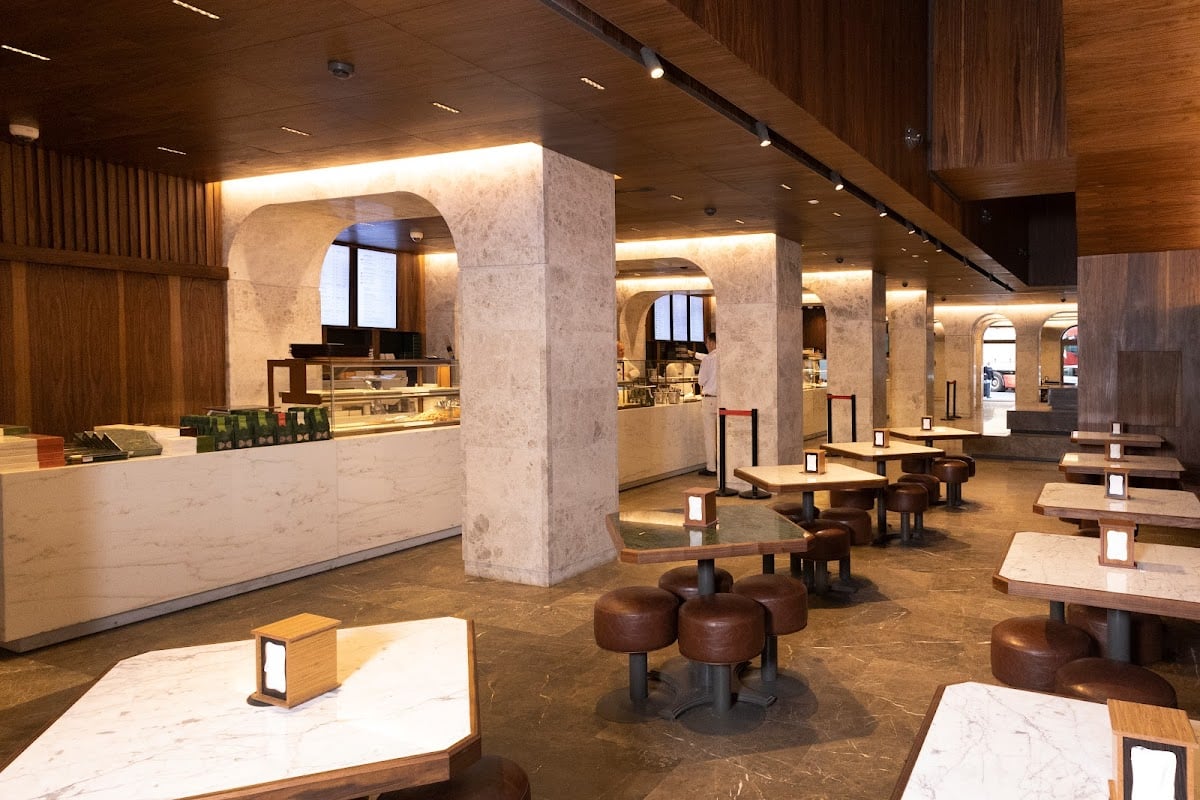
Karaköy Güllüoğlu
This baklava institution has been operating from Karaköy since the 1940s, and the moment you step inside the polished steel and glass case glowing with trays of golden pastry, you understand why the dynasty endures. The pistachio baklava — layers of tissue-thin yufka pastry drenched in clarified butter and sugar syrup, then blanketed in vivid green Antep pistachios — is so rich it borders on extravagance, yet it never tips into cloying sweetness. The servers work with practiced speed, tongs flashing, boxes filling. Order a slice at the counter and eat it standing, because that is how Istanbul does it, with a small glass of strong black tea to cut the sweetness. The crunch when you bite through the pastry, the soft give of the nut paste at the center, and the butter-syrup that runs between your fingers — this is the taste of Ottoman confectionery at its apex.
Nevizade Sokak Meyhane
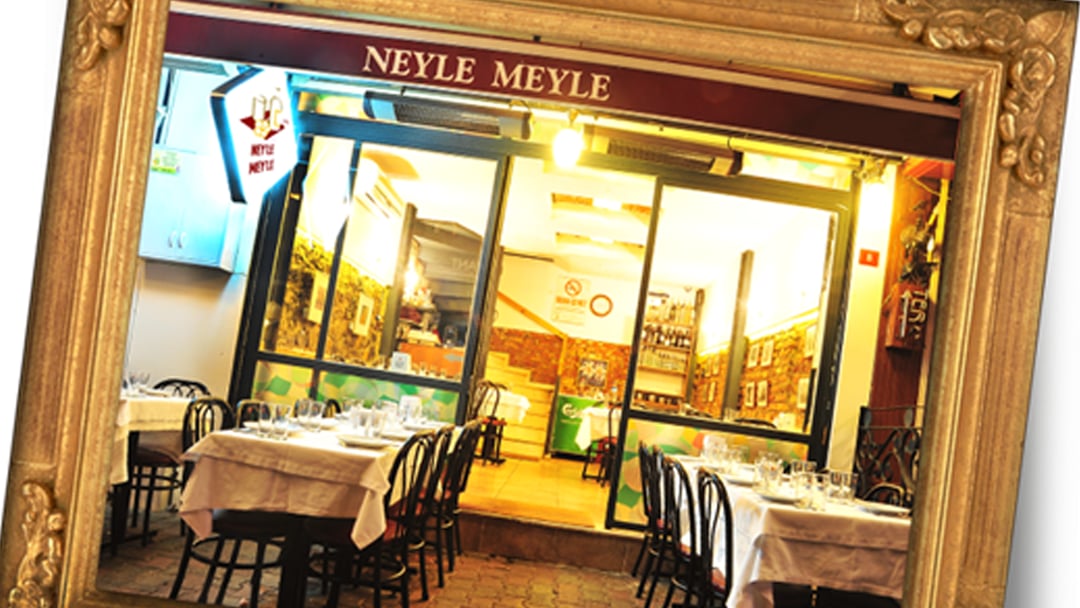
Nevizade is a narrow alley off Istiklal Caddesi that exists entirely for the pleasure of the evening. By nine o'clock, the tables spill out across the cobblestones and the noise is tremendous — musicians threading between diners with saz and violin, waiters hoisting trays of rakı over their heads, the whole street smelling of fried mussels and tobacco and the anise-sweet vapor of the spirit itself. The meze arrive in a procession without end: smoky patlıcan (aubergine) salad, creamy haydari yogurt, stuffed vine leaves glistening with oil, shrimp sautéed in butter and white wine. You pour a little water into your glass of rakı and watch it go milky white — the lion's milk, as the Turks call it — and the evening officially begins. Nobody here is in a hurry. The kitchen will keep cooking and the musicians will keep playing until the neighbourhood decides the night is over.
Çiçek Pasajı (Flower Passage)
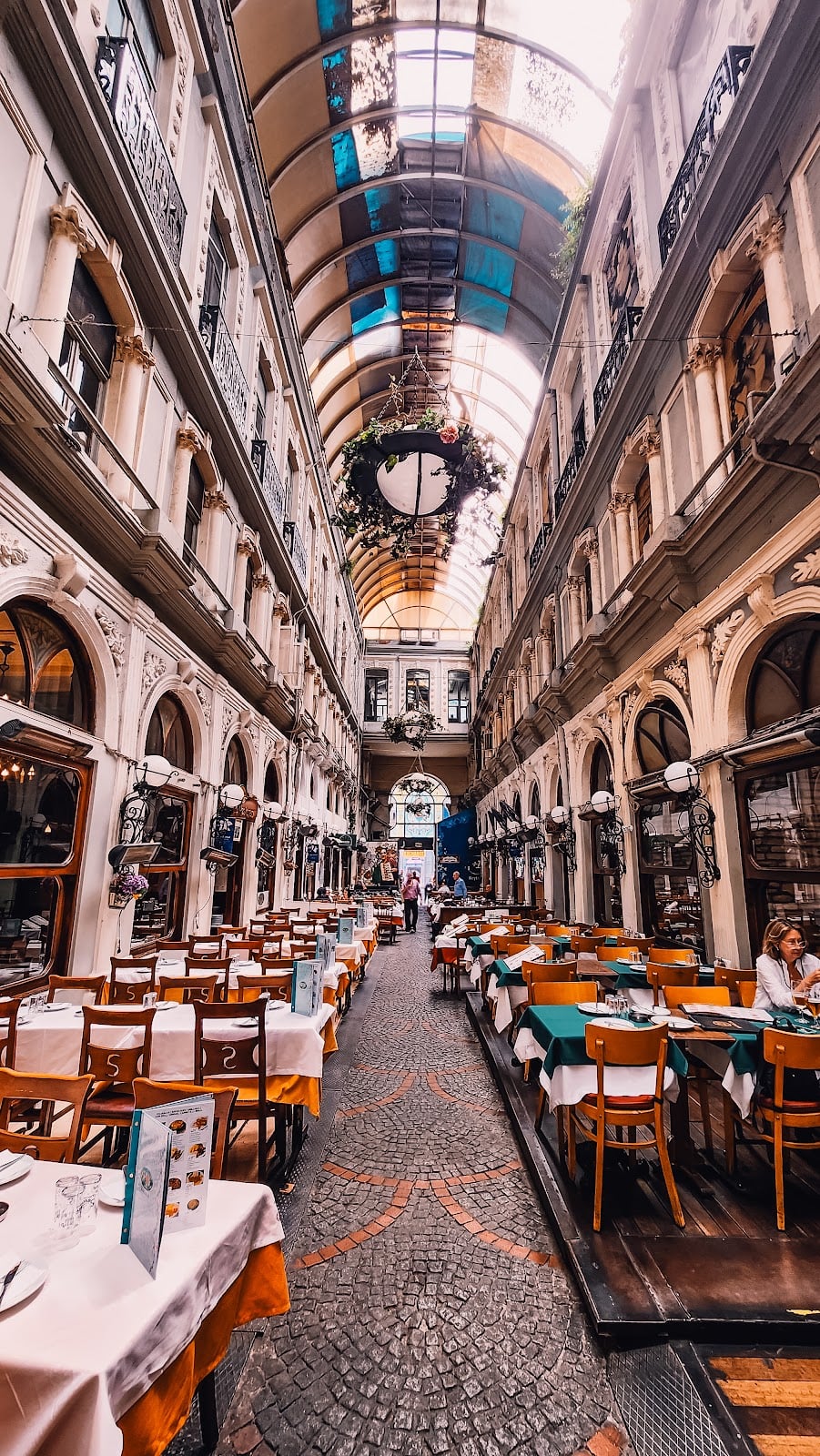
The Flower Passage is a 19th-century arcade off Istiklal Caddesi that has somehow survived every round of urban change with its essential character intact: a vaulted iron-and-glass roof stained by decades of candle smoke, an unbroken row of meyhanes facing each other across the narrow gallery, and a noise level that suggests everyone is competing to be heard over everyone else. The flowers that gave it the name are long gone, replaced by strings of Edison bulbs and the perpetual clamor of meze being ordered in eight directions at once. Settle into one of the long communal tables and surrender to the system — the waiter will arrive with a tray of meze and you simply point at what you want. The clam pilaki, the kidney bean salad, the white cheese flecked with dried chili: everything is built for sharing, and sharing is what the Flower Passage does best.
Ara Café
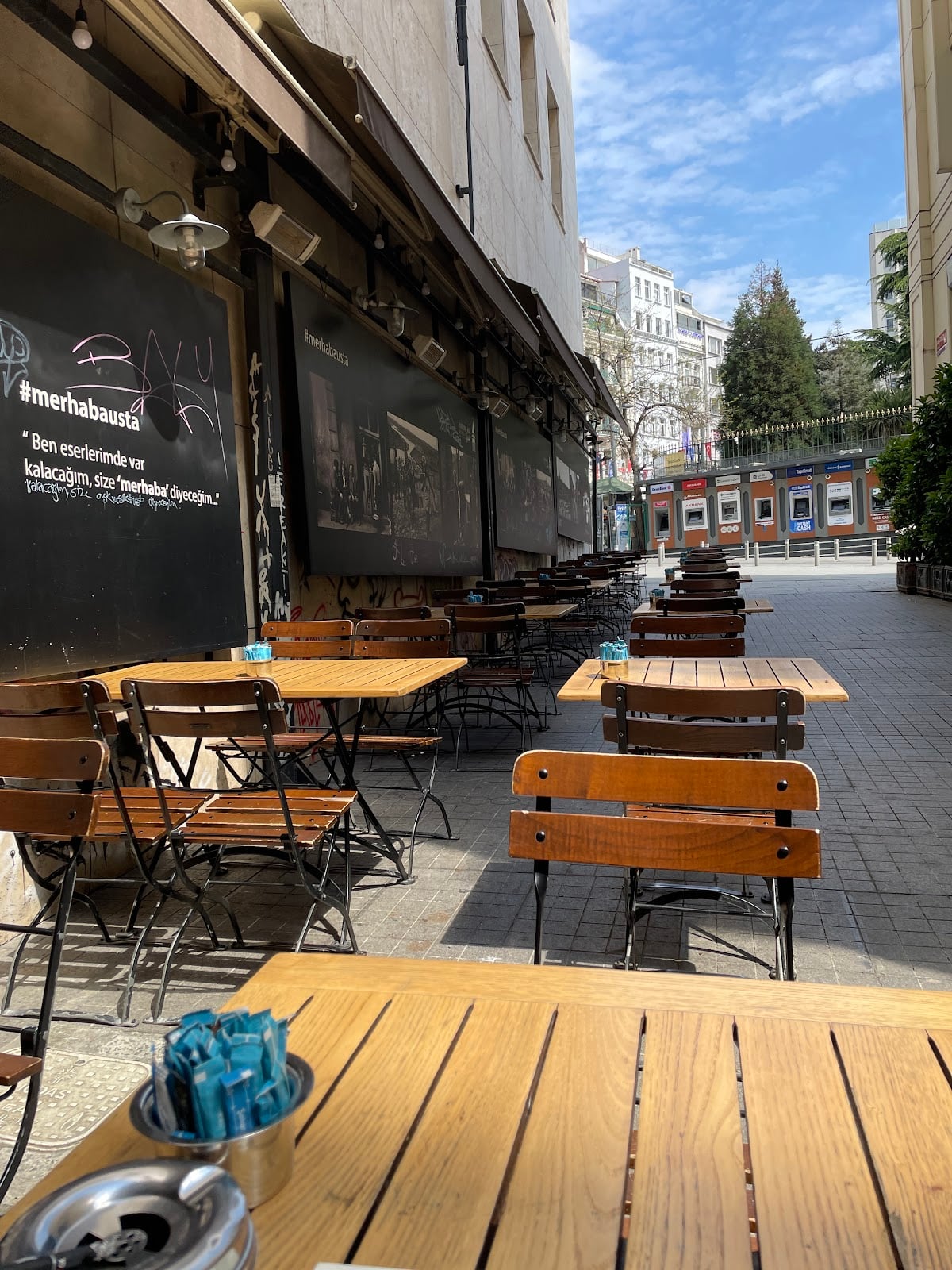
Ara Café sits in a quiet alley off Istiklal, named for the late Turkish-Armenian photographer Ara Güler whose black-and-white portraits of Istanbul line every wall. The photographs are everything — scenes from a city that no longer quite exists, fishermen on the Galata Bridge, children in Kapalıçarşı, men playing backgammon in the shadow of a mosque — and sitting among them over a long, unhurried coffee is to feel the city's memory pressing close. The coffee here is properly made, the kind of Turkish coffee that arrives in a copper cezve and requires patience: let the grounds settle before you drink, or you will end up chewing. The crowd is a mix of writers, architects, and people who come specifically for the photographs, and the low hum of intellectual conversation gives the place an atmosphere that is utterly, irreducibly Istanbul.
360 Istanbul
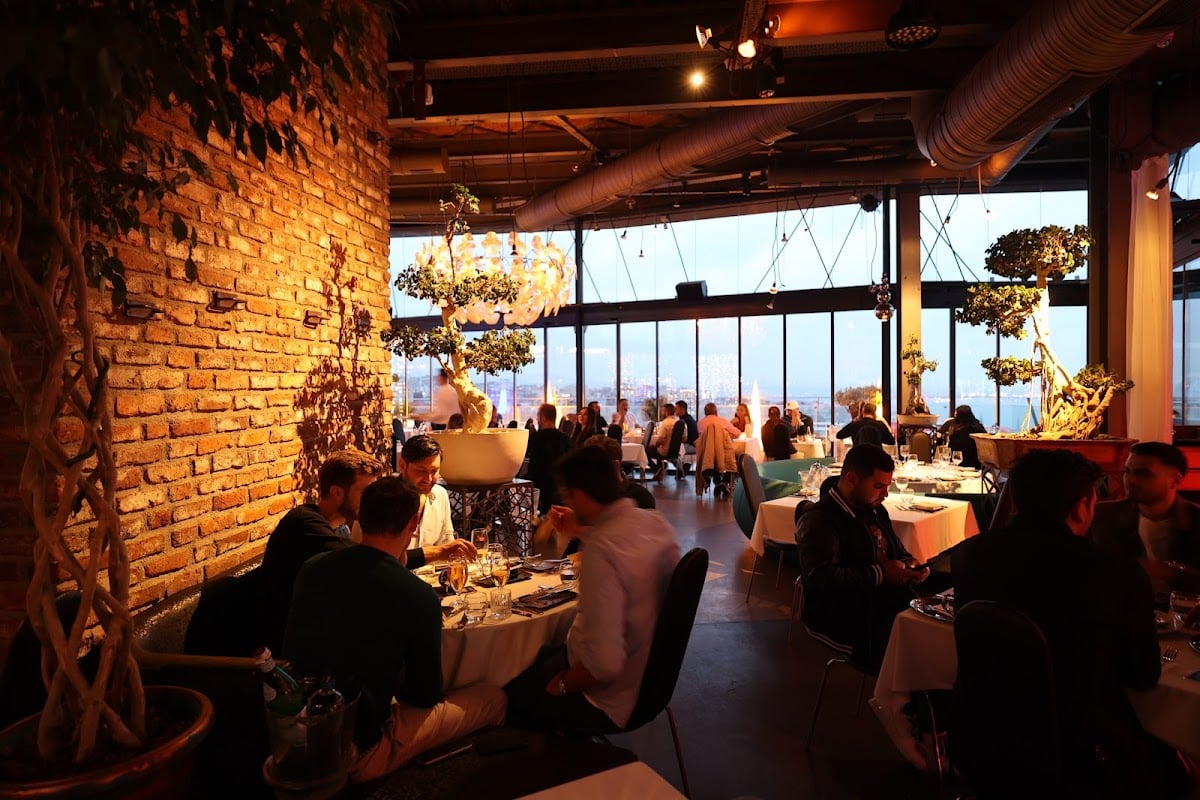
The name is not an exaggeration. From the rooftop terrace of this bar above Istiklal Caddesi, the view sweeps across the full panorama of the city — the Bosphorus threading between the hills to the east, the domes and minarets of the Old City glowing in the south, the Princes' Islands a faint smudge on the horizon, and everywhere the dense carpet of light that is nine million people living their evening. Come at sunset, when the sky performs its daily extravagance in shades of saffron and rose, and the calls to prayer rise from a dozen minarets in staggered waves across the water. The cocktail list is long and Istanbul-inflected — rose water, pomegranate, sumac — and the bar staff know their craft. On summer evenings the terrace fills to a joyful crush, but even in that crowd, the view holds you.
Mikla Restaurant
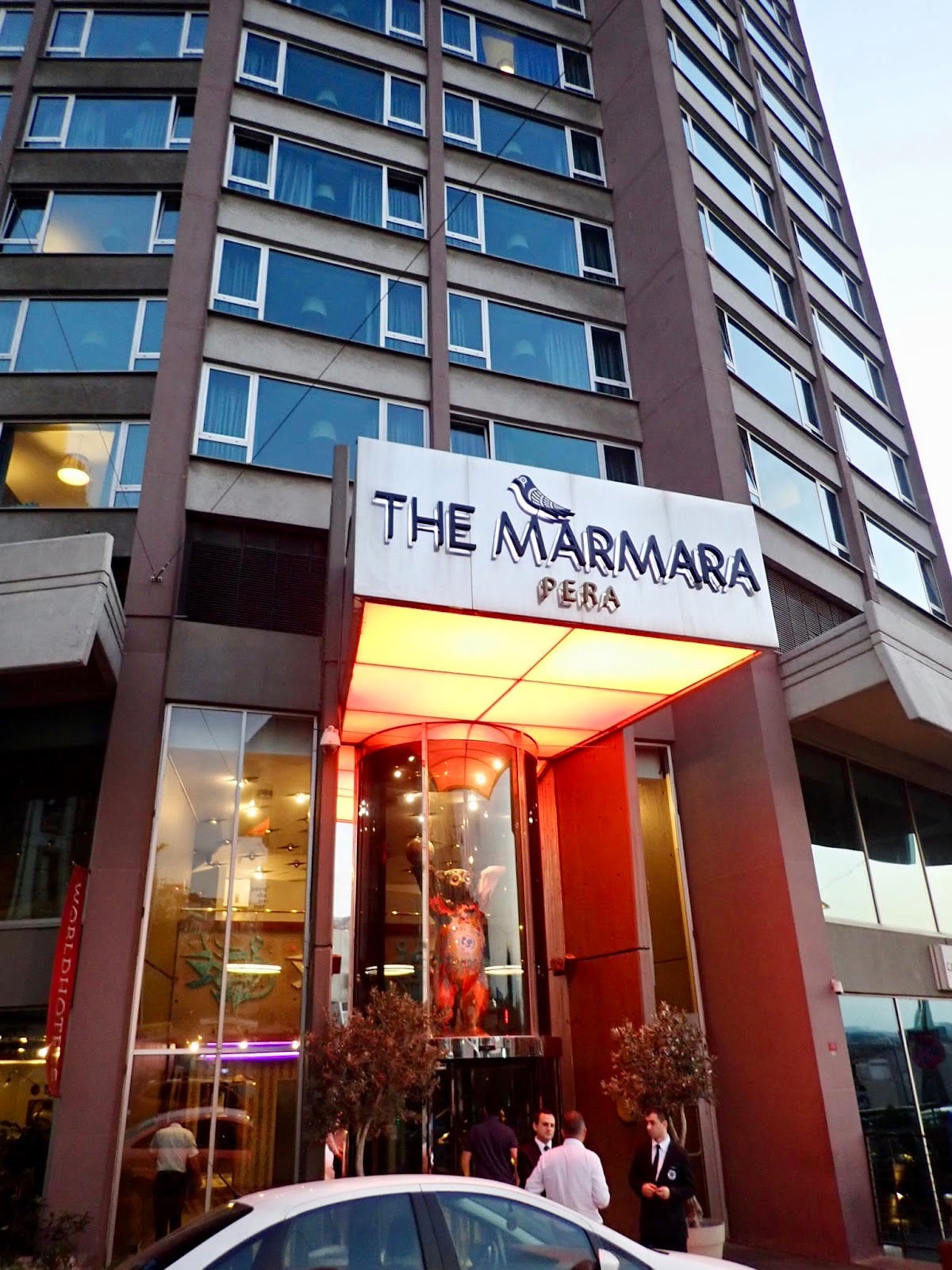
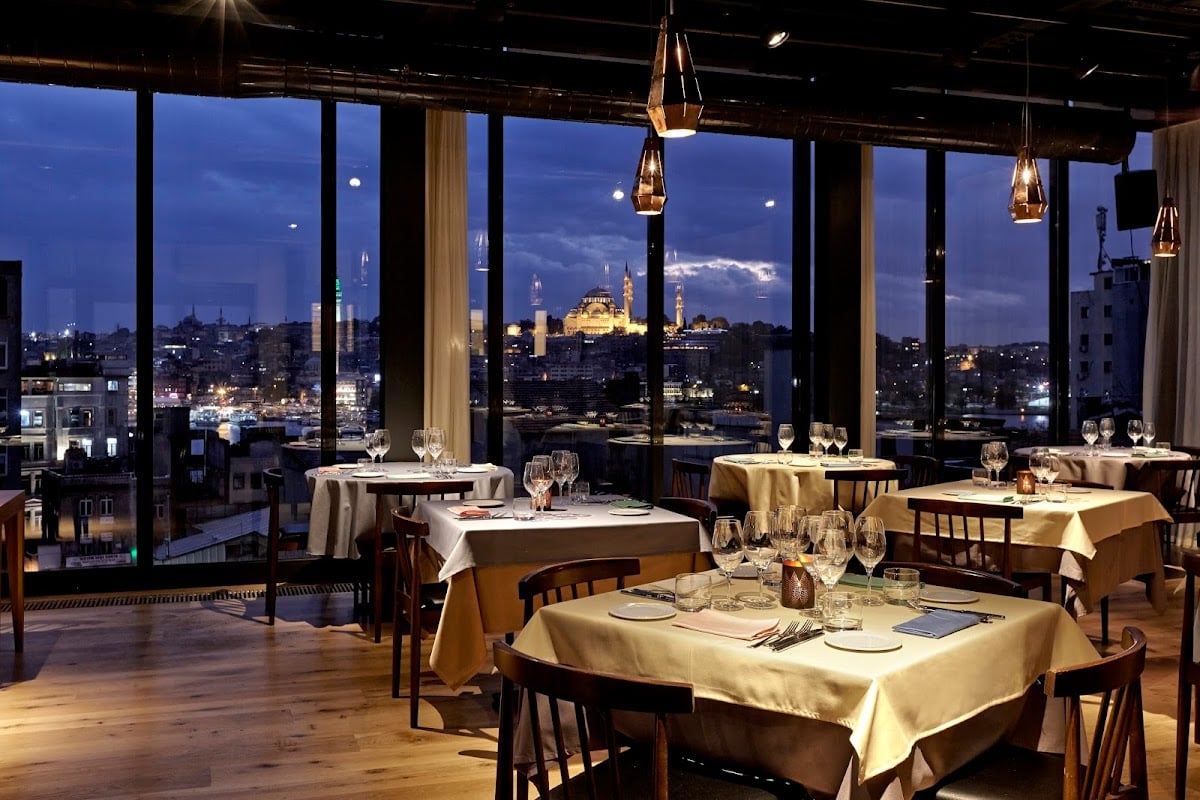
Mikla occupies the top two floors of the Marmara Pera hotel, and the view from its terrace is as close to a perfect urban panorama as Istanbul offers: the Golden Horn below, the mosques of the old city beyond, and on clear evenings the Asian hills dissolving into dusk. The restaurant, run by Finnish-Turkish chef Mehmet Gürs, reinterprets Anatolian ingredients through a Nordic sensibility — a combination that sounds improbable until you taste it. A spoonful of tulum cheese over smoked aubergine, a lamb chop over yogurt emulsified with charred leek, wild herbs sourced from all seven regions of Turkey arranged around a plate with the precision of a botanical drawing. Come for dinner and stay until the kitchen closes: the later the hour, the better the light over the Bosphorus.
Neolokal
Neolokal is housed inside the SALT Galata building on Bankalar Caddesi — the old financial district of Ottoman Istanbul, where the stone facades of former banks now shelter archives and galleries. The restaurant occupies the ground floor and its courtyard, and chef Maksut Aşkar runs a kitchen that treats the breadth of Turkish culinary tradition as serious research material: fermentation, foraged ingredients, regional recipes rescued from obscurity. An order of quail eggs in a sauce of butter and Antep pepper, or lamb intestines charred over wood coals, arrives at the table alongside a paragraph of provenance. It is earnest without being self-serious, which is a harder trick to pull off than it sounds. The setting — rough plaster walls, warm lighting, the occasional glimpse of old vaulting — suits the project perfectly.
Asmalı Cavit
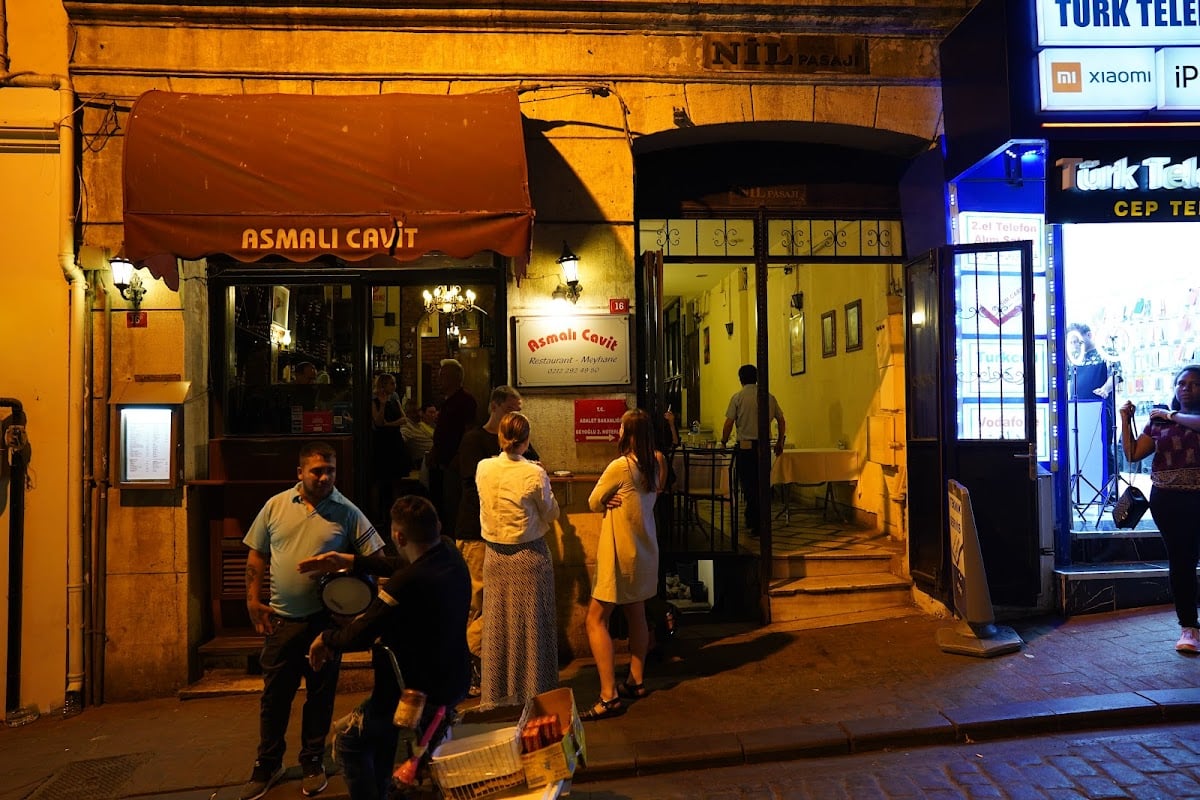
Asmalı Cavit is on Asmalımescit Sokak — a street that used to be the Bohemian heart of Beyoğlu, all narrow doorways and faded paint — and it remains one of the most uncompromising meyhanes in the city. No printed menu, no ambient music, and decor that has not changed in a generation: bare wooden floors, walls hung with bottles and old photographs, tables packed so close that you will inevitably share your conversation with your neighbours. The meyhane system applies in full: a waiter arrives with a tray of cold meze and you build your table from it, then follow with the hot dishes — calamari, shrimp in butter, or grilled sea bass. The rakı is measured generously and the evening has a loose, unhurried quality that is specific to places that know exactly what they are for.
Grand Bazaar Tea House
Inside the Grand Bazaar — the world's oldest covered market, over five hundred years old, its labyrinthine lanes sheltering more than four thousand shops — the only sane strategy is to stop periodically and drink tea. Tucked between the carpet sellers and the gold merchants are small tea houses that serve the city's other essential drink: çay, black tea brewed strong in a double boiler and poured into tulip-shaped glasses, always accompanied by two cubes of sugar placed on the saucer. The tea is free — or nearly so — and it arrives as a matter of hospitality before any transaction is proposed. Sit for a glass, let the noise of the bazaar wash over you, watch the porters wheel their impossible loads through the crowd, and feel the continuity with a trading culture that has operated on exactly this model for half a millennium. Then buy a small copper pot and leave before you acquire a carpet you cannot carry.
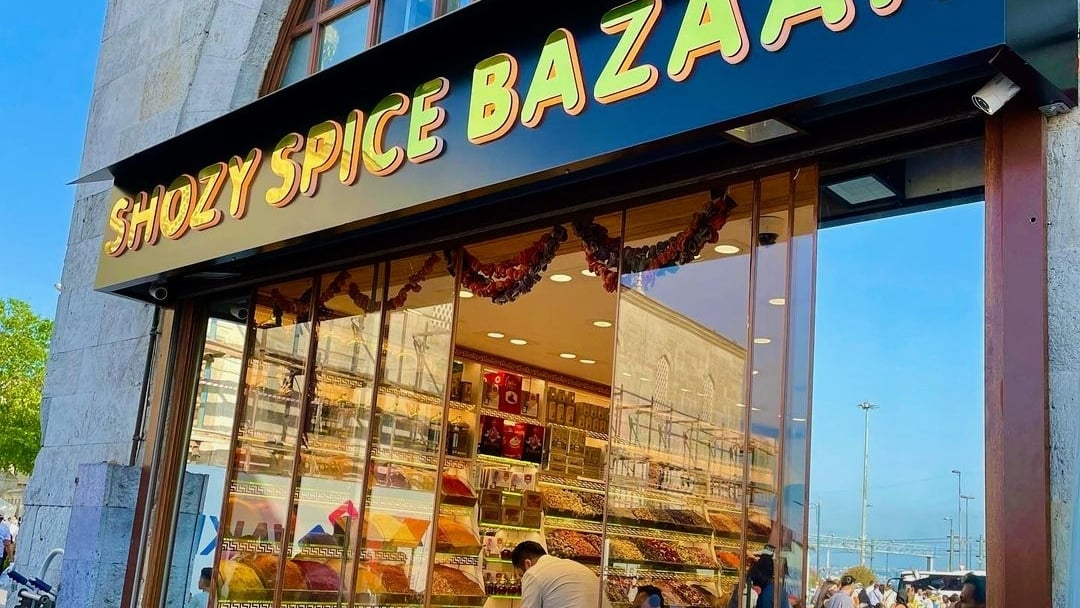
Spice Bazaar Tea Stalls
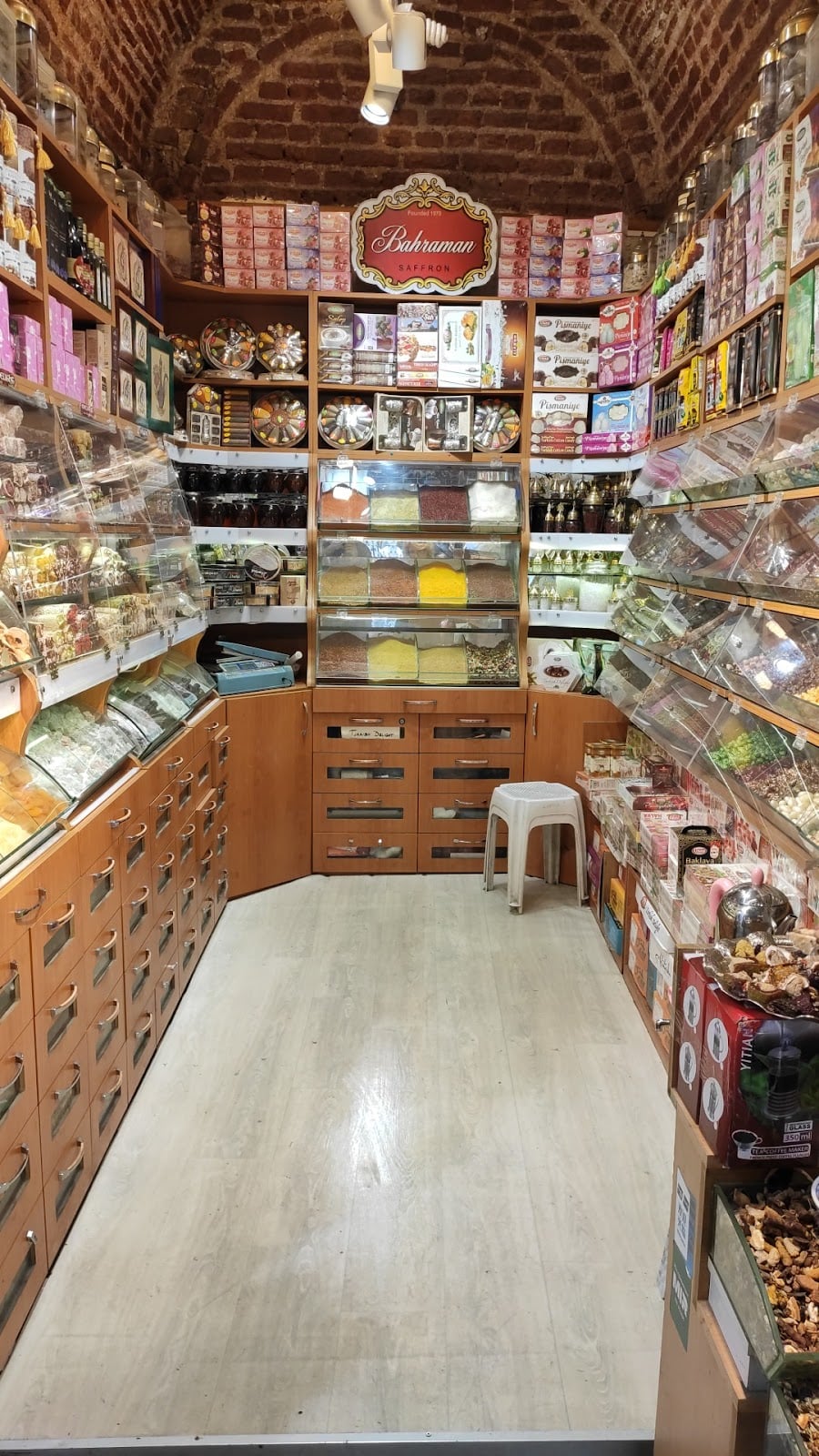
The Mısır Çarşısı — the Egyptian Spice Bazaar in Eminönü — is older and smaller than the Grand Bazaar, and its air is thick with something you can almost eat: the combined fragrance of a hundred open sacks of saffron, dried rose petals, sumac, cumin, Aleppo pepper, and the peculiarly dusty sweetness of Turkish delight in forty varieties. Between the spice merchants, the tea stalls operate on the same principle as everywhere else in the city: serve the glass first, negotiate later, never rush. The çay here has a different flavour from the rest of the city — or perhaps that is the spice seeping through the walls — but whatever the cause, this is one of the best places in Istanbul to pause and drink slowly. Buy a paper bag of dried apricots and a stick of cinnamon bark. The combination of spice-perfumed air and strong tea is as close to sensory overload as you can experience while sitting still.
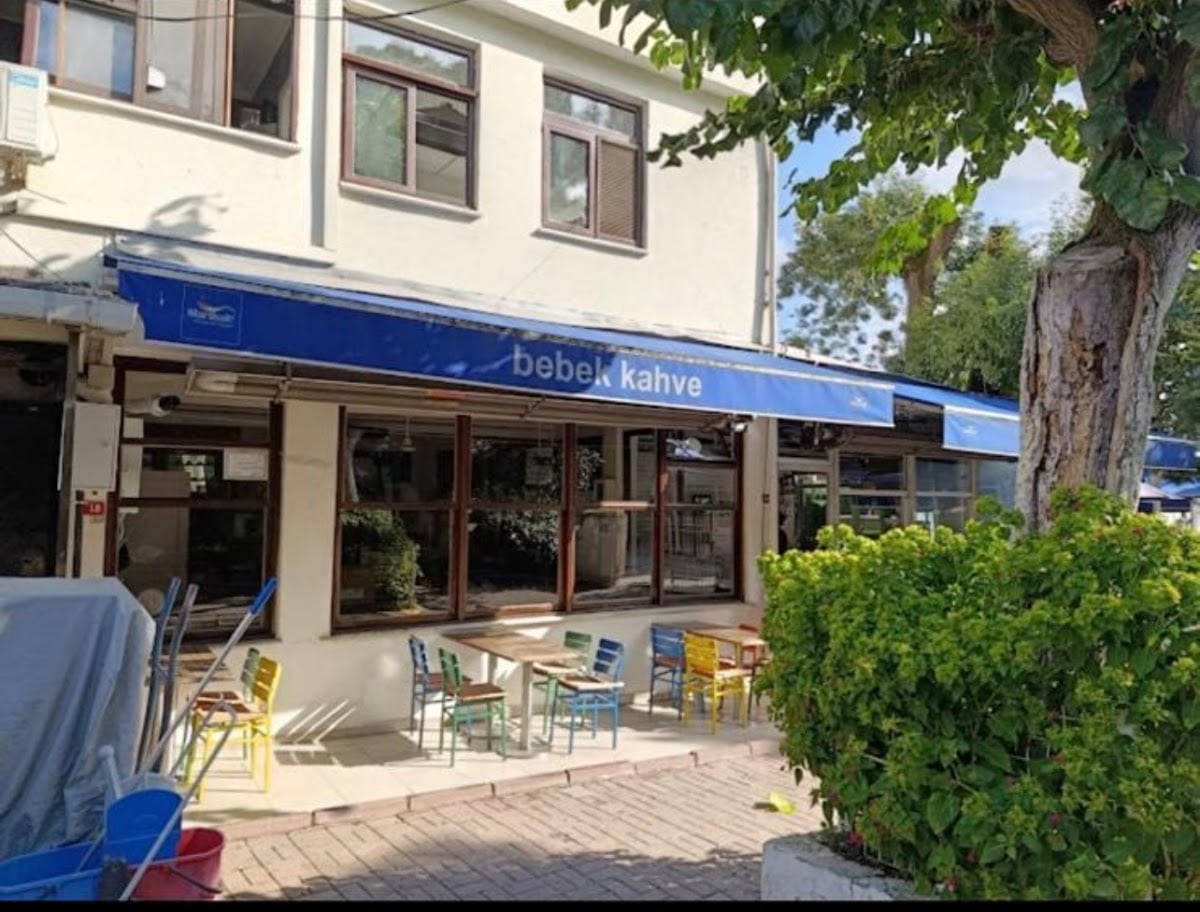
Bebek Ferry Stop & Bebek Kahvesi
Take the ferry up the Bosphorus to Bebek — the elegant suburb that clings to the European shore between two forested hills — and you arrive at a different Istanbul entirely: quieter, greener, scented with linden blossom in spring and wood smoke in winter. The Bebek Kahvesi sits at the water's edge, its terrace suspended over the strait, its interior all dark wood and framed photographs of the neighbourhood as it was sixty years ago. The tea here arrives without being ordered and the simit — the sesame-covered bread ring that is Istanbul's great democratic breakfast — is as good as anywhere in the city. Watch the tankers inch up the strait towards the Black Sea, the Rumelihisarı fortress rising on the hill opposite, and the steady pulse of ferries crossing in both directions. This is the Bosphorus at its most unhurried, and an hour here will recalibrate everything.
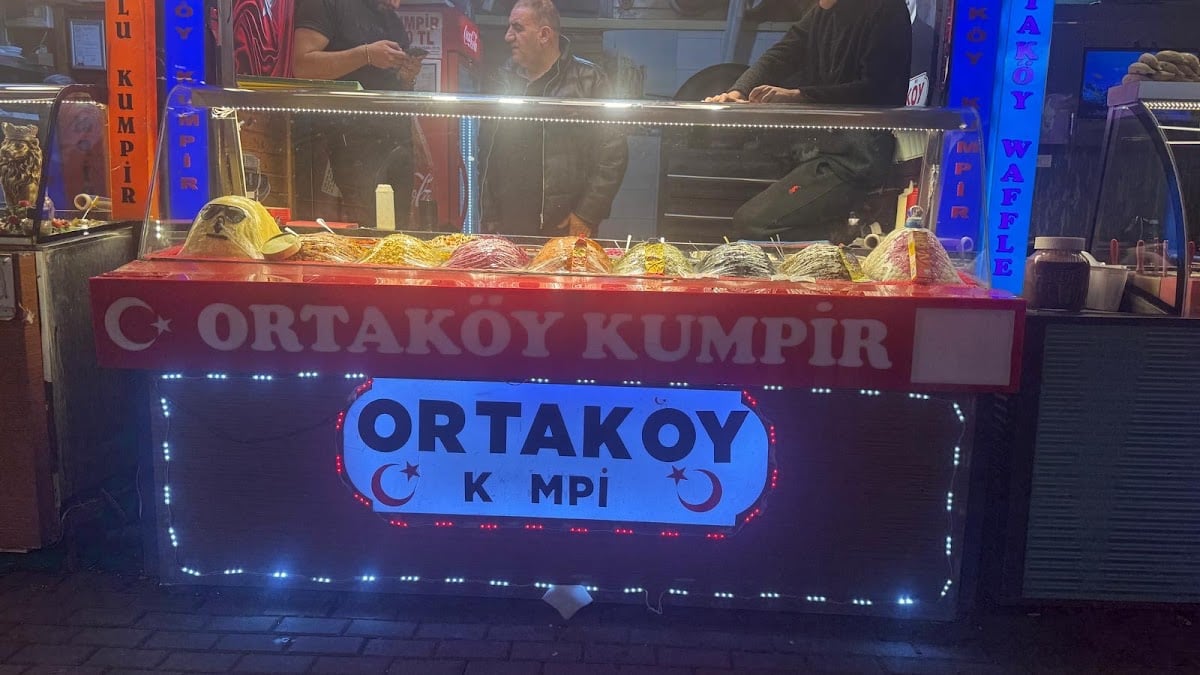
Ortaköy Kumpir Stalls
Ortaköy sits at the foot of the Bosphorus Bridge — where Europe ends and the span begins its arch towards Asia — and its small square is given over almost entirely to the kumpir: a baked potato the size of a rugby ball, split and filled with enough toppings to constitute a full meal. The ritual is elaborate and slightly theatrical: the vendor halves the potato, mixes in a quantity of butter and kaşar cheese until the whole thing becomes a single warm mass, then presents you with a row of thirty toppings to choose from — pickled peppers, corn, sautéed mushrooms, roasted aubergine, yogurt, olives — and fills the potato according to your instructions. Eat it on a bench looking at the bridge, with the neighbourhood mosque (a small, jewel-like Ottoman confection) to your left and the ferry wake on the water below. It is exactly as ridiculous and as satisfying as it sounds.
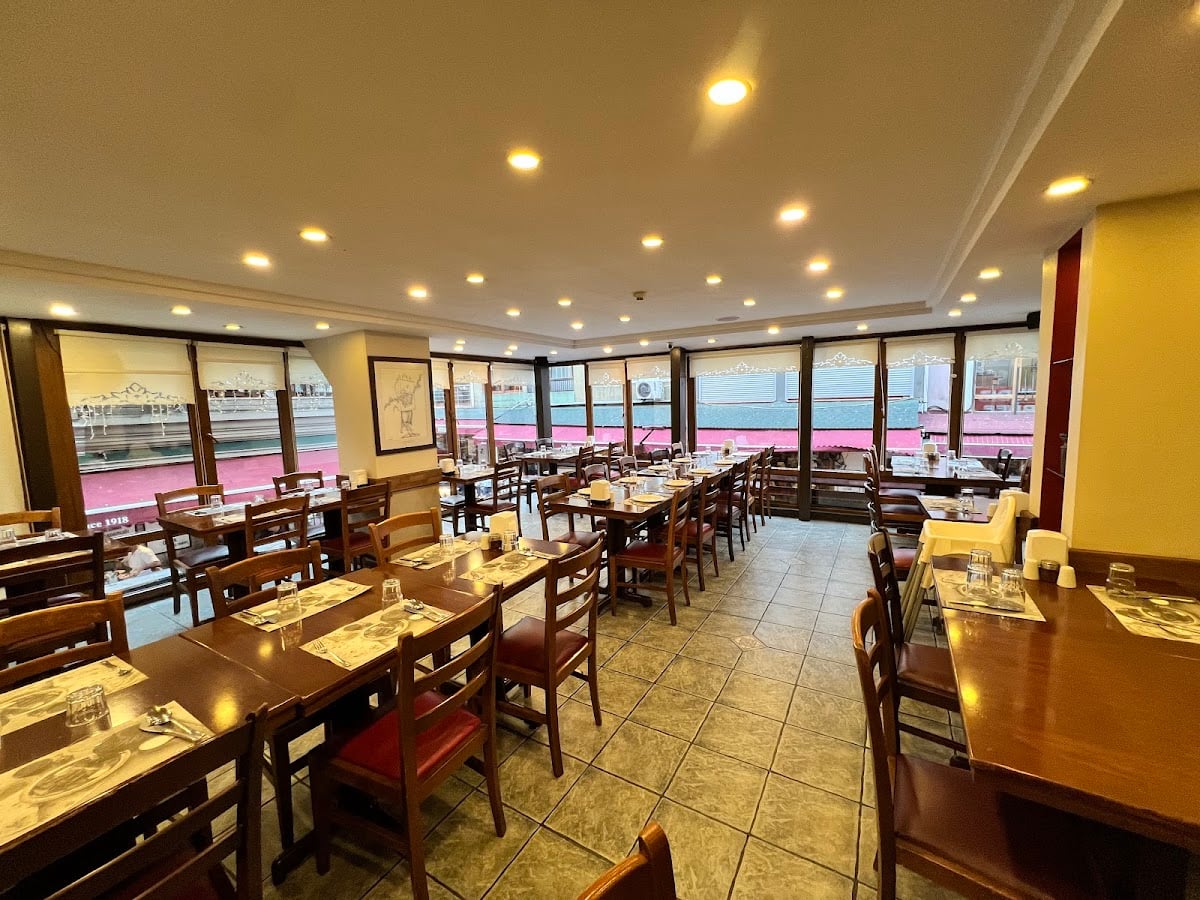
Çiya Sofrası (Kadıköy)
Çiya Sofrası on the Asian shore is the most serious meyhane in Istanbul that nobody calls a meyhane. Chef Musa Dağdeviren runs what is effectively an archive of Anatolian cuisine in the form of a restaurant: dishes from the Kurdish southeast, from the Black Sea coast, from the Syrian border towns, from Armenian and Rum communities whose recipes would otherwise be lost. The daily changing menu is written on a chalkboard and the meze are arranged in deep trays behind the counter — you choose by pointing. The flavour of the walnut and pomegranate molasses muhammara, the slow-braised lamb with dried apricots, the cold herb salads dressed in sour pomegranate — all of it speaks of a Turkey far larger and more complex than the Istanbul of the tourist trail. The neighbourhood is Kadıköy's market, chaotic and fragrant, and the walk there is as instructive as the meal.
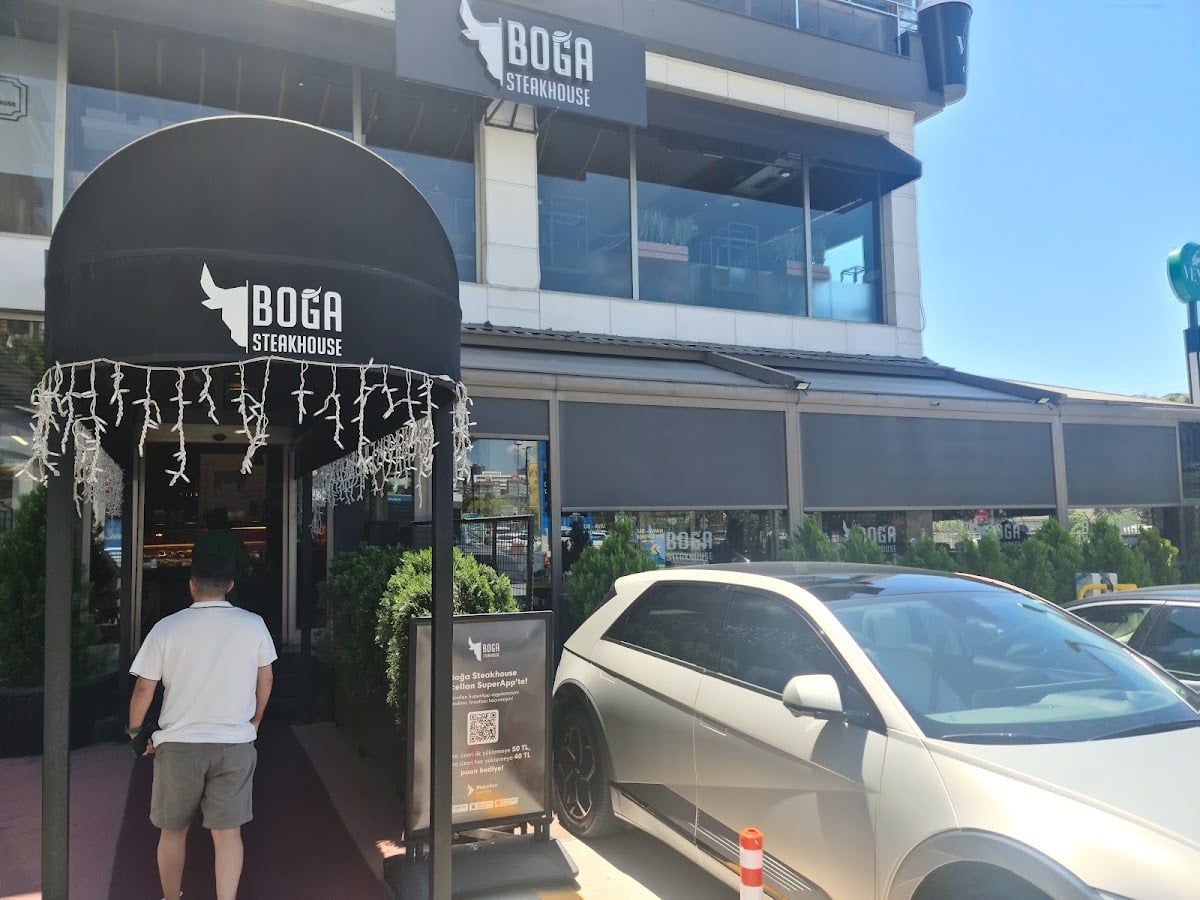
Boğa Restoran
Boğa is a Kadıköy institution that has been feeding the Asian side since the 1960s, and the decades are visible in every detail: the cracked leather banquettes, the black-and-white photographs of the football club that once owned this building, the menu hand-written in a font that has not changed since Atatürk's time. The grilled meat here — kuzu şiş, adana kebab over flatbread, whole sea bass in a crust of rock salt — is the kind of cooking that reminds you that Turkish cuisine is not primarily about complexity but about the absolute quality of the raw material. The bread arrives hot from the stone oven, tearing into soft layers. The ayran, the cold yogurt drink that accompanies every meat meal in this country, is thick and slightly sour and exactly right. Come for lunch after Çiya and you will feel that the Asian shore has repaid the ferry crossing several times over.
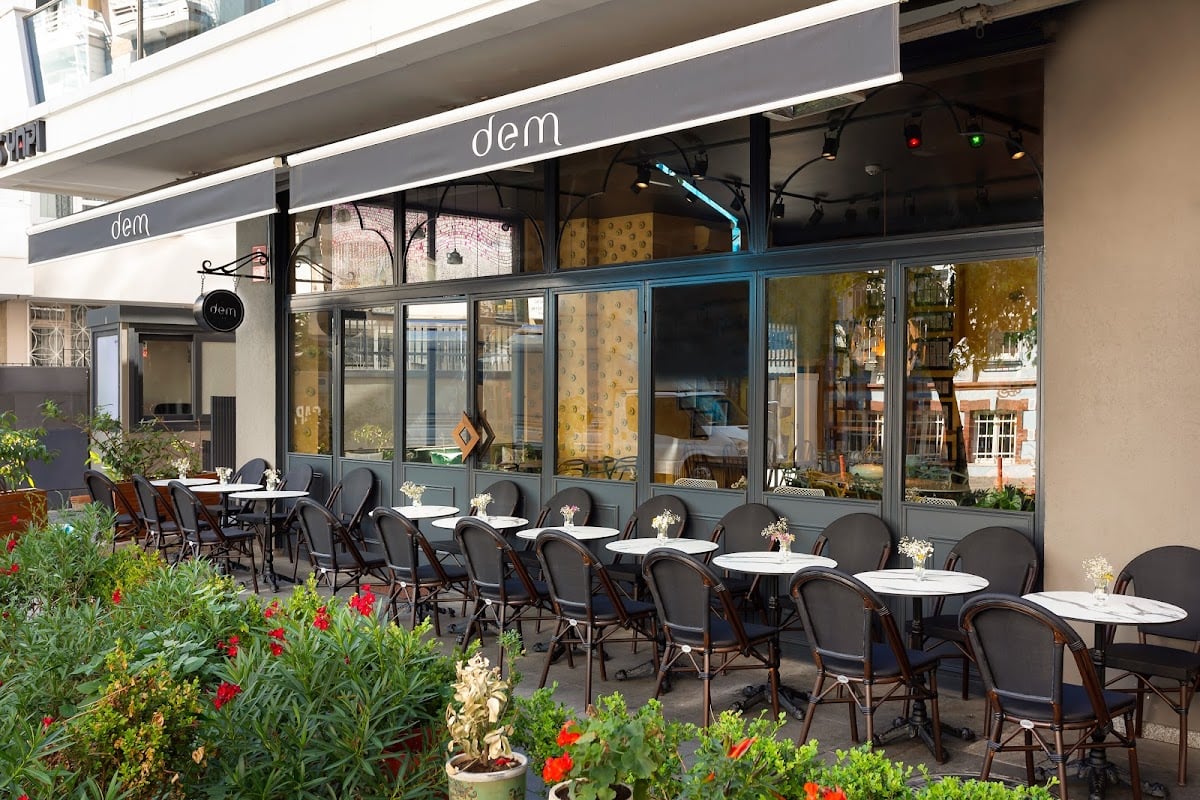
Moda Waterfront Promenade Café
The Moda headland at the southern tip of the Kadıköy district is where the Asian shore exhales. The waterfront promenade curves along a low cliff above the Sea of Marmara, and on any given afternoon it is occupied by joggers, couples, small children on bicycles, and old men reading newspapers on benches with an air of irreplaceable authority. The small open-air cafés along the promenade serve tea and Nescafé in equal measure, with a bowl of roasted chickpeas and sunflower seeds that arrives automatically. But the real reason to sit here is the view south: across the water, the Princes' Islands (Büyükada, Heybeliada, the smaller ones) float on the Marmara in a haze of pine and eucalyptus, and in the evening the light turns everything amber. This is where Istanbul's Asian residents come to remember that they live on the edge of an inland sea.
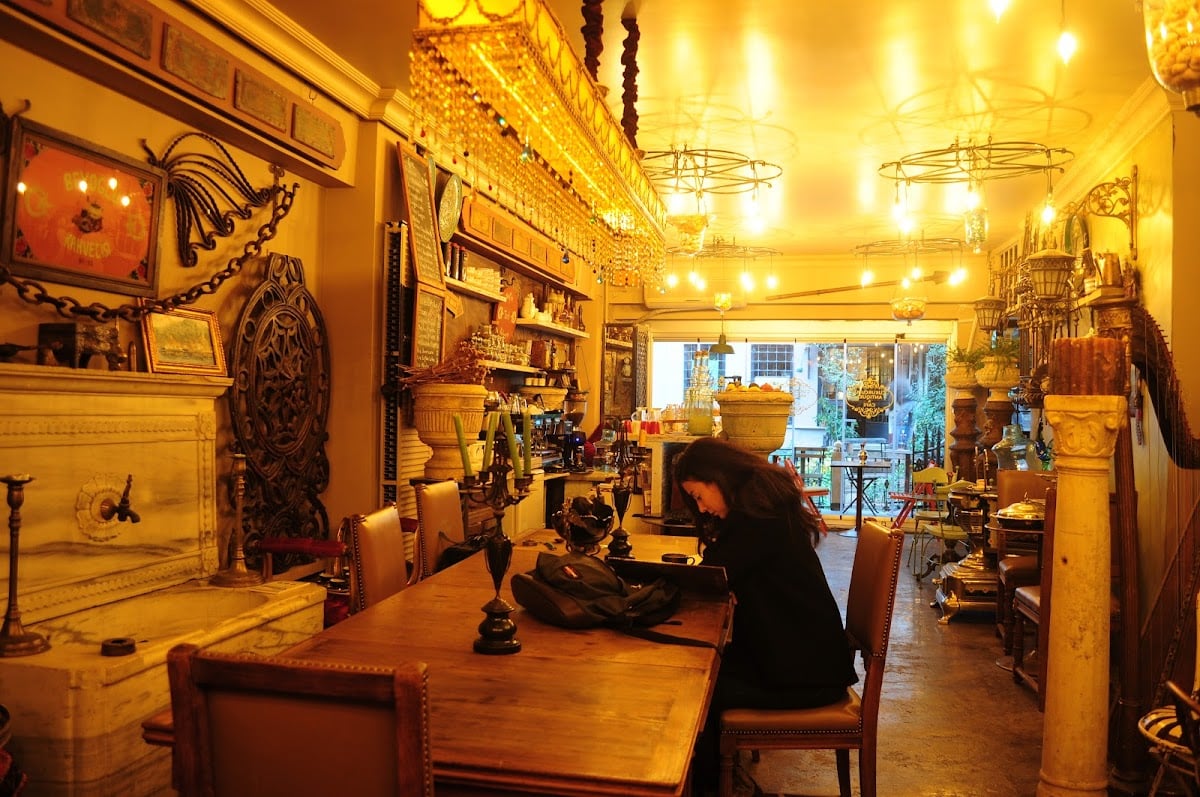
Çukurcuma Antique District Café
Çukurcuma is the antique district that climbs the steep hill behind Cihangir in Beyoğlu — a neighbourhood of narrow streets lined with dusty shop windows displaying Ottoman armchairs, art nouveau mirrors, gramophone horns, and the accumulated material evidence of an imperial city clearing its throat. The small cafés and wine bars tucked between the dealers have developed a particular character: unhurried, slightly bookish, patronised by architects and the kind of foreign residents who come to Istanbul to write novels. The coffee is invariably good and there is usually a cat asleep on something antique. Sit in the afternoon with a long filter coffee and watch the neighbourhood operate at its deliberate pace — the dealer moving a cabinet to the kerb, the neighbourhood cat inspecting the disturbance, the late light catching the brass handles on an old chest. It has the quality of an afternoon that exists outside the normal schedule of the city.
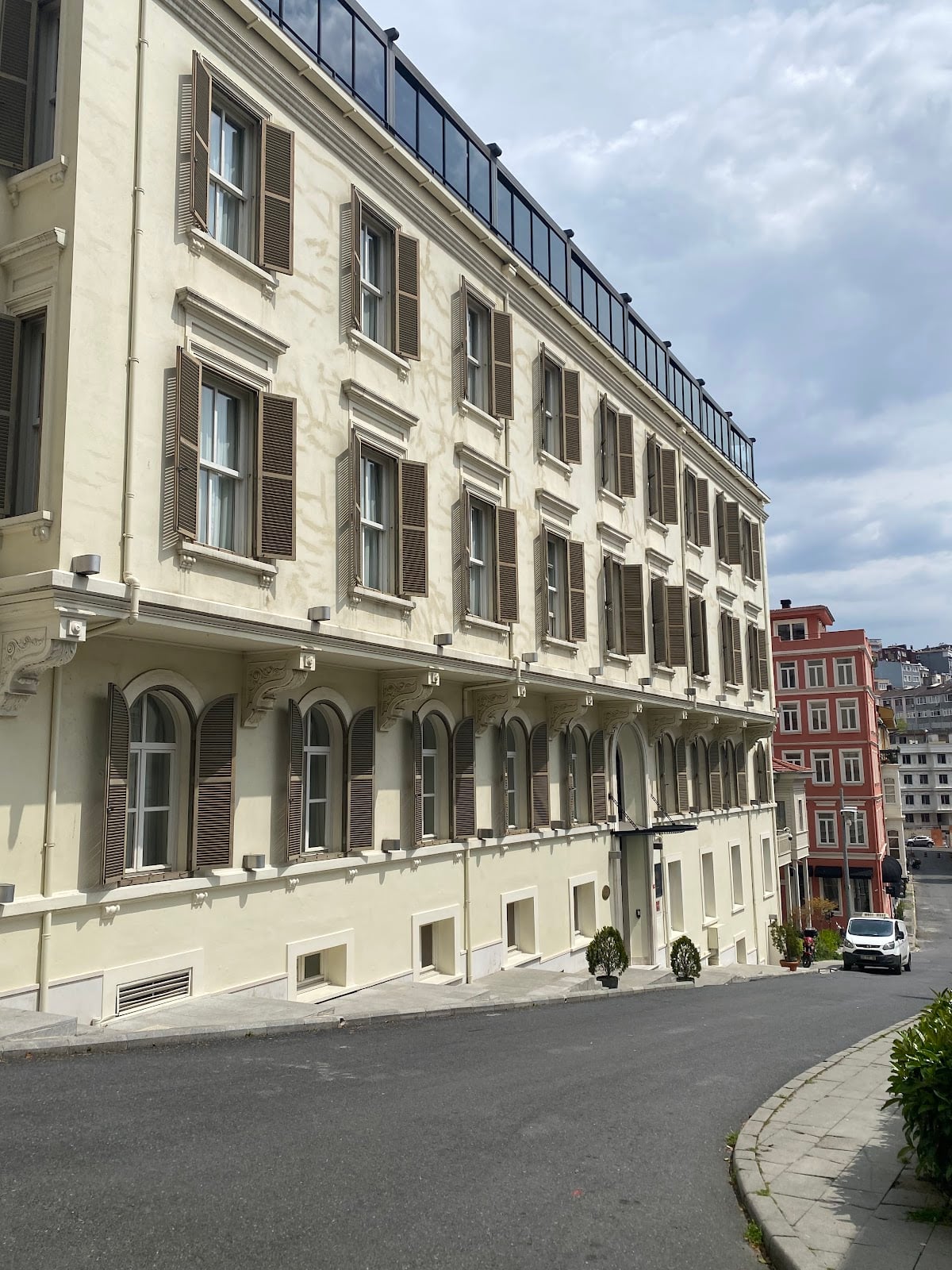
Tomtom Suites Rooftop
Tomtom Suites occupies a converted 1901 Franciscan convent in the Tomtom Kaptan neighbourhood between Galata and Cihangir, and its rooftop terrace is one of the most quietly perfect spaces in Istanbul. It lacks the theatrical view of 360 or Mikla, but what it offers instead is something rarer: intimacy, a limited number of tables, and a skyline that includes the Galata Tower framed between the old building's terracotta chimneys. The cocktails are made with care and the kitchen sends up plates of meze designed for eating slowly over several drinks. Come here after dinner, around ten, when the city has settled into its nocturnal rhythm and the light over Beyoğlu has gone from golden to amber to the deep blue that precedes midnight. The conversation drops to a more comfortable register and the rooftop becomes the kind of place you want to stay in until the last glass is empty.
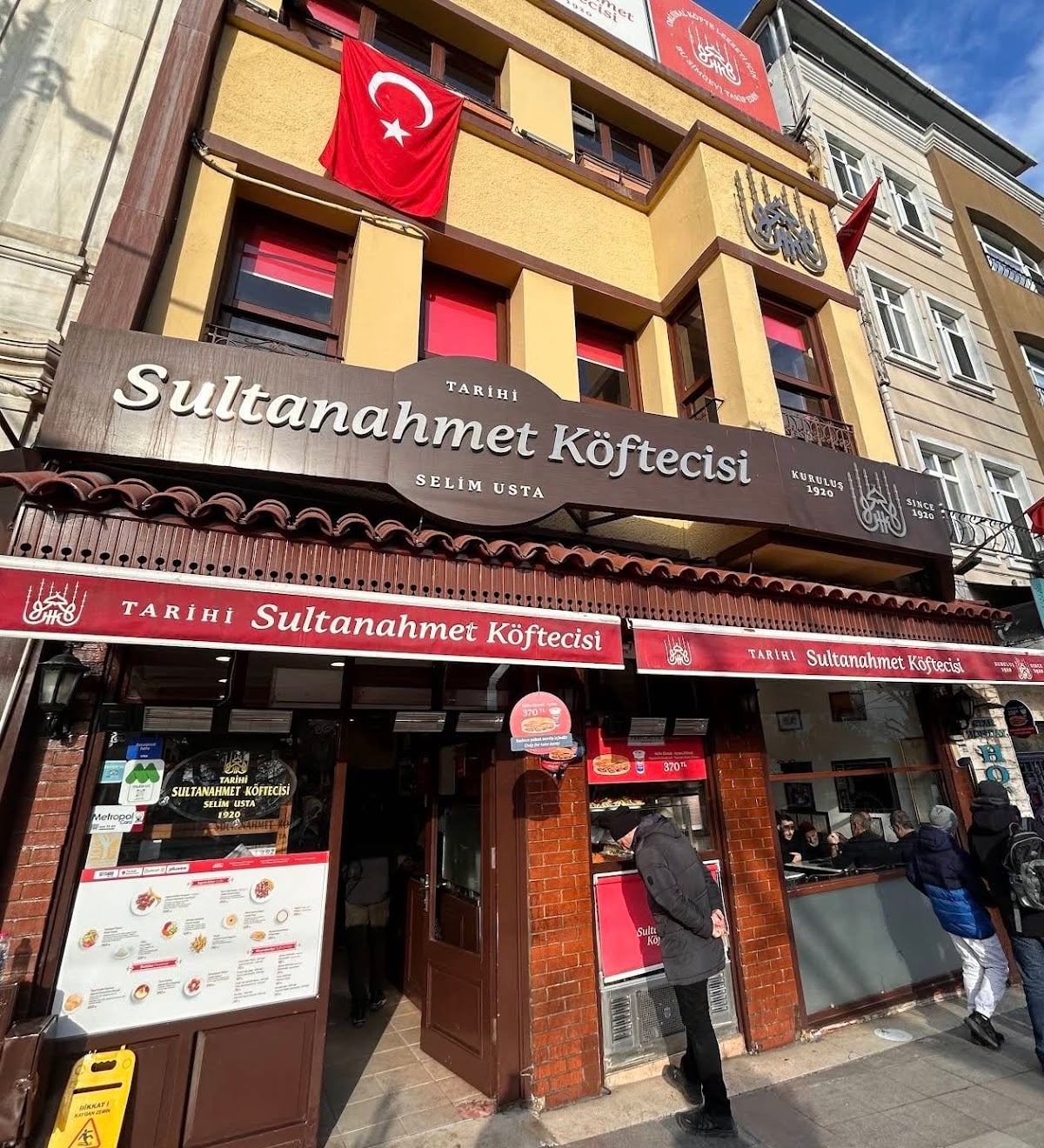
Tarihi Sultanahmet Köftecisi
On the main drag of Sultanahmet, a few minutes' walk from the Blue Mosque, this köfte restaurant has been operating since 1920 and the continuity shows in everything: the red-checked tablecloths, the hand-painted tiles on the walls, the practised efficiency of the servers who have heard every question in every language and know the answer before you finish asking. The köfte — hand-rolled cylinders of spiced lamb grilled over charcoal — arrives on a bed of white bean salad with a heap of pickled peppers and a stack of bread. That is the entire menu, and nothing else is needed. At midnight, after the meyhanes have given their last round and the rooftop bars have begun stacking chairs, this place is still open and still full of Istanbullus — the night-shift workers, the musicians coming off a late gig, the insomniacs who know that a plate of good köfte is the most reliable cure for the hour between midnight and dawn.
Abre o Google Maps com todos os 20 locais marcados
Receba novos guias na sua caixa de entrada
Subscreva a newsletter da Mapita e receba guias de cidades selecionados assim que forem publicados. Sem spam, só bons sítios.
Subscrever — é gratuitoPerguntas Frequentes
Como abro este guia no Google Maps? ▾
Toque no botão "Abrir no Google Maps" e todos os 20 locais aparecerão como marcadores no Google Maps. Pode guardar a lista na sua conta para acesso offline.
Posso usar este guia offline? ▾
Sim! Depois de guardar a lista do Google Maps na sua conta, os locais ficam disponíveis mesmo sem internet. Descarregue a área do mapa offline no Google Maps antes da viagem.
Com que frequência este guia é atualizado? ▾
Este guia foi atualizado pela última vez a 11 de abril de 2026. Revemos e atualizamos regularmente os nossos guias para garantir que todos os locais continuam abertos e vale a pena visitar.
Abrir no Google Maps
Obtenha todos os 20 locais deste guia diretamente no Google Maps.
Ver 20 locais no MapsAbre o Google Maps com todos os 20 locais marcados
Receba novos guias na sua caixa de entrada
Guias de cidades selecionados enviados assim que são publicados. Gratuito para sempre.