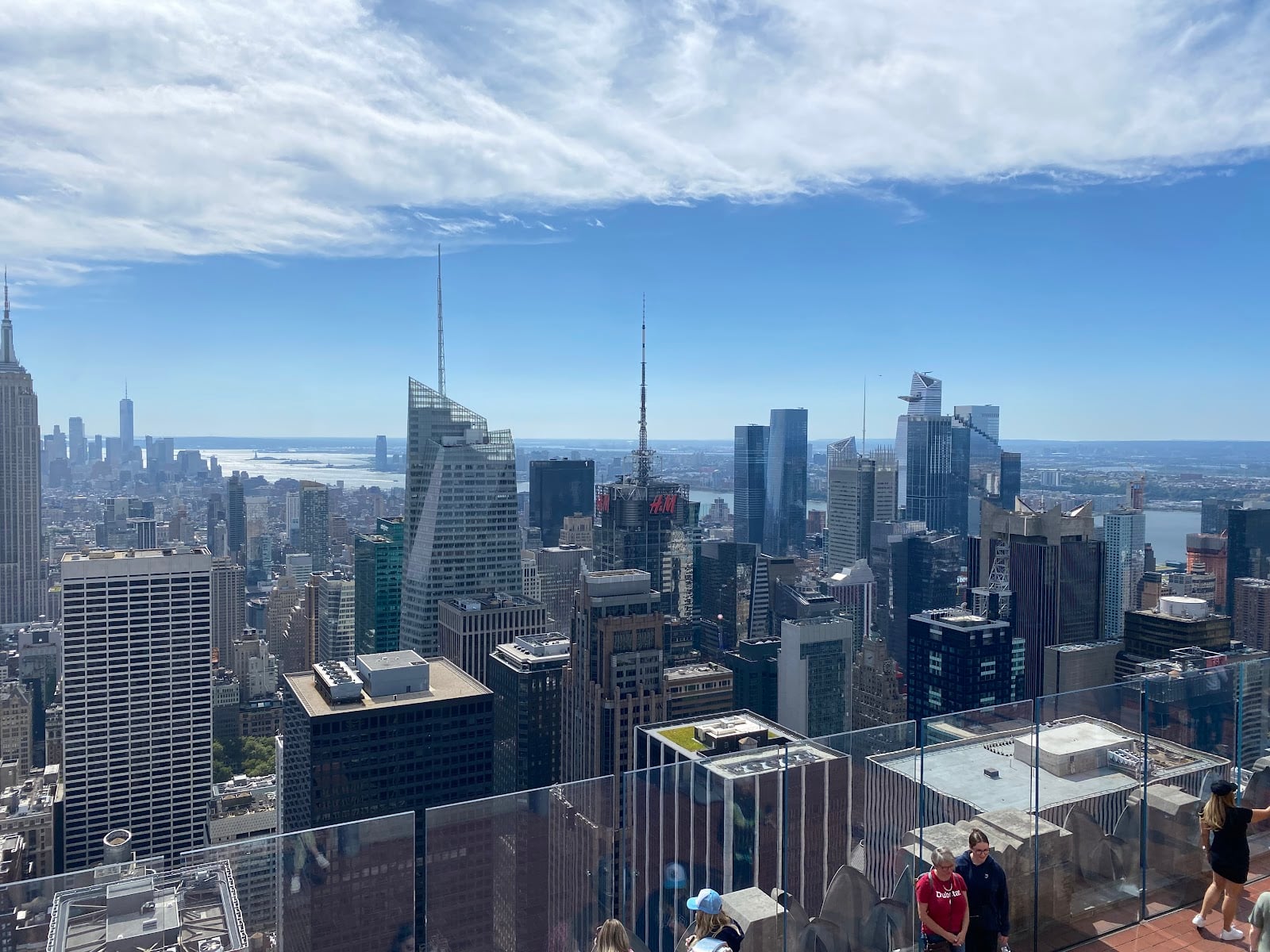
Ultimate NYC in 4 Days
 Sarah Chen
 Visão geral
New York City is not a destination — it's a collision of worlds, compressed into five boroughs and a thousand neighborhoods. Over four days you'll walk the bridge that stitched Brooklyn to Manhattan, eat smoked fish on the Lower East Side, ride the subway to Bushwick for wood-fired pizza, and end in Harlem for soul food that has been feeding the city for over a century. This guide doesn't chase landmarks for their own sake; it chases the feeling of the city — the steam rising from grates, the noise, the smell of roasting nuts on a cold corner, and the strange quiet that settles over the High Line at dusk.
Map
20 pinned placesLocais em destaque
Descubra os melhores locais deste guia cuidadosamente selecionado. Cada local foi visitado e verificado para garantir uma experiência autêntica e memorável.
Brooklyn Bridge Walk
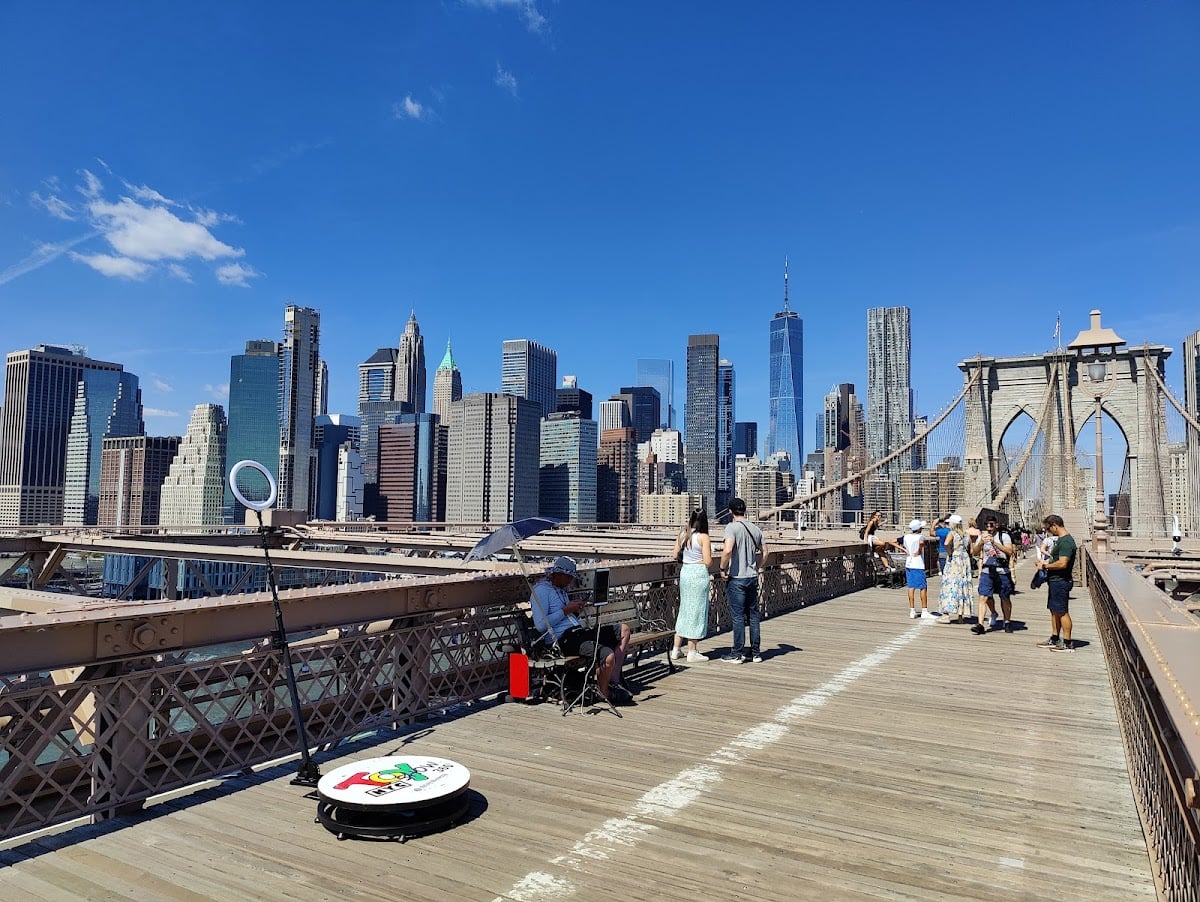
The Brooklyn Bridge is one of those rare New York experiences that exceeds every expectation. You step onto the wooden pedestrian walkway from the Manhattan side and the city unfolds around you in every direction — the East River churning gray-green below, the glass towers of the Financial District behind you, and the low-slung rooftops of Brooklyn ahead. The cables fan out in massive gothic arches, and on a clear morning the light through them is almost cathedral-like. Vendors selling water and trinkets line the Brooklyn end, but ignore them; just keep walking until you reach the DUMBO side and turn back for the full skyline view. Weekday mornings are far less crowded, and the wind off the river carries that particular mix of salt, exhaust, and ambition that is uniquely New York. Give yourself an hour to linger and photograph — you will not regret it.
Essex Market
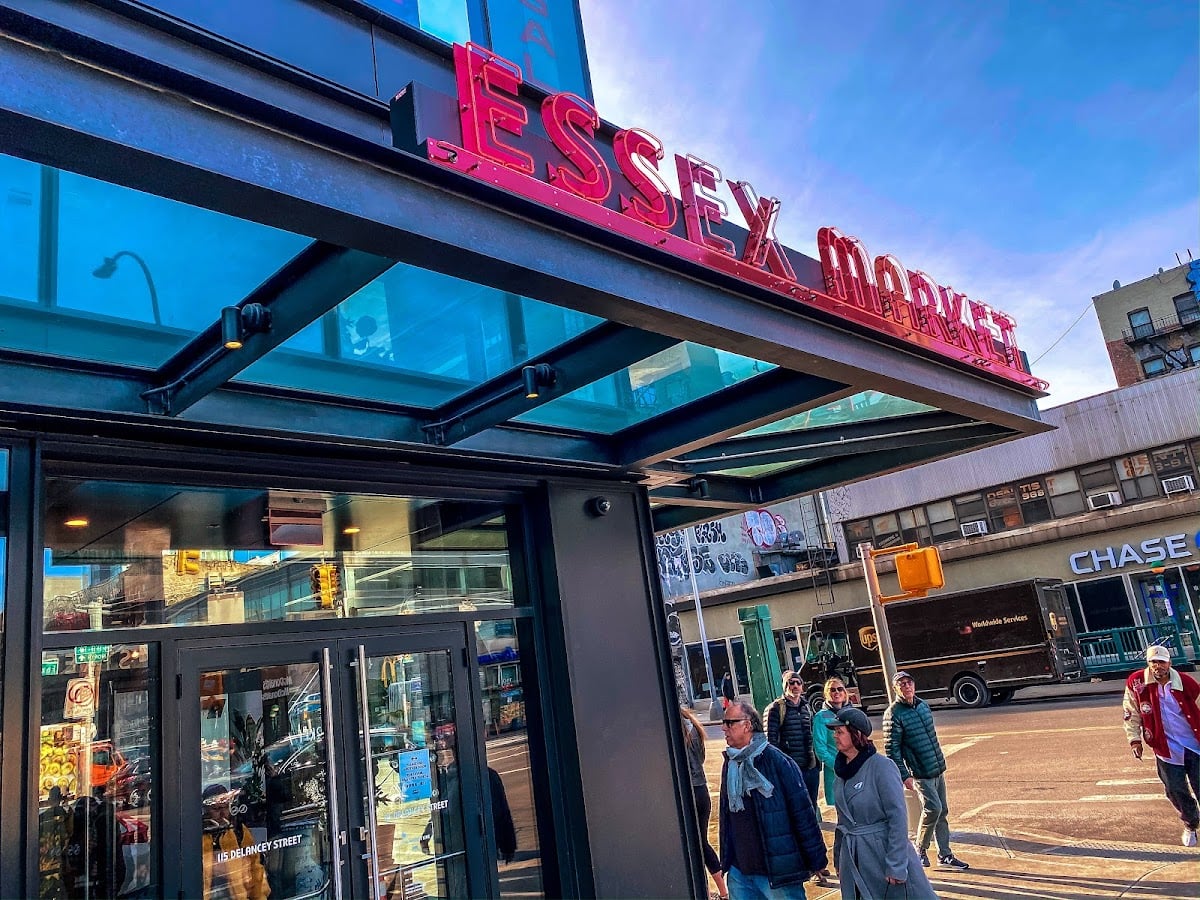
The Essex Market is the Lower East Side's answer to a European covered market, tucked inside a gleaming new building on Delancey Street and overflowing with the kind of vendors who have fed this immigrant neighborhood for generations. The smells hit you first — pickles brining in wooden barrels, fresh-baked challah, spiced lamb rotating on a vertical spit, and the sharp tang of aged cheese from the dairy stall near the entrance. Locals come here with canvas bags and a list; tourists come and leave with everything they didn't know they needed. Stop at the pickle counter and try a full-sour — aggressively brined, almost fizzy, absolutely correct. The prepared food stalls offer everything from Dominican mofongo to Thai papaya salad, and the casual seating area in the middle invites you to linger over lunch without spending more than twelve dollars. It is a market that still means something to its community, and you can feel that.
Russ & Daughters
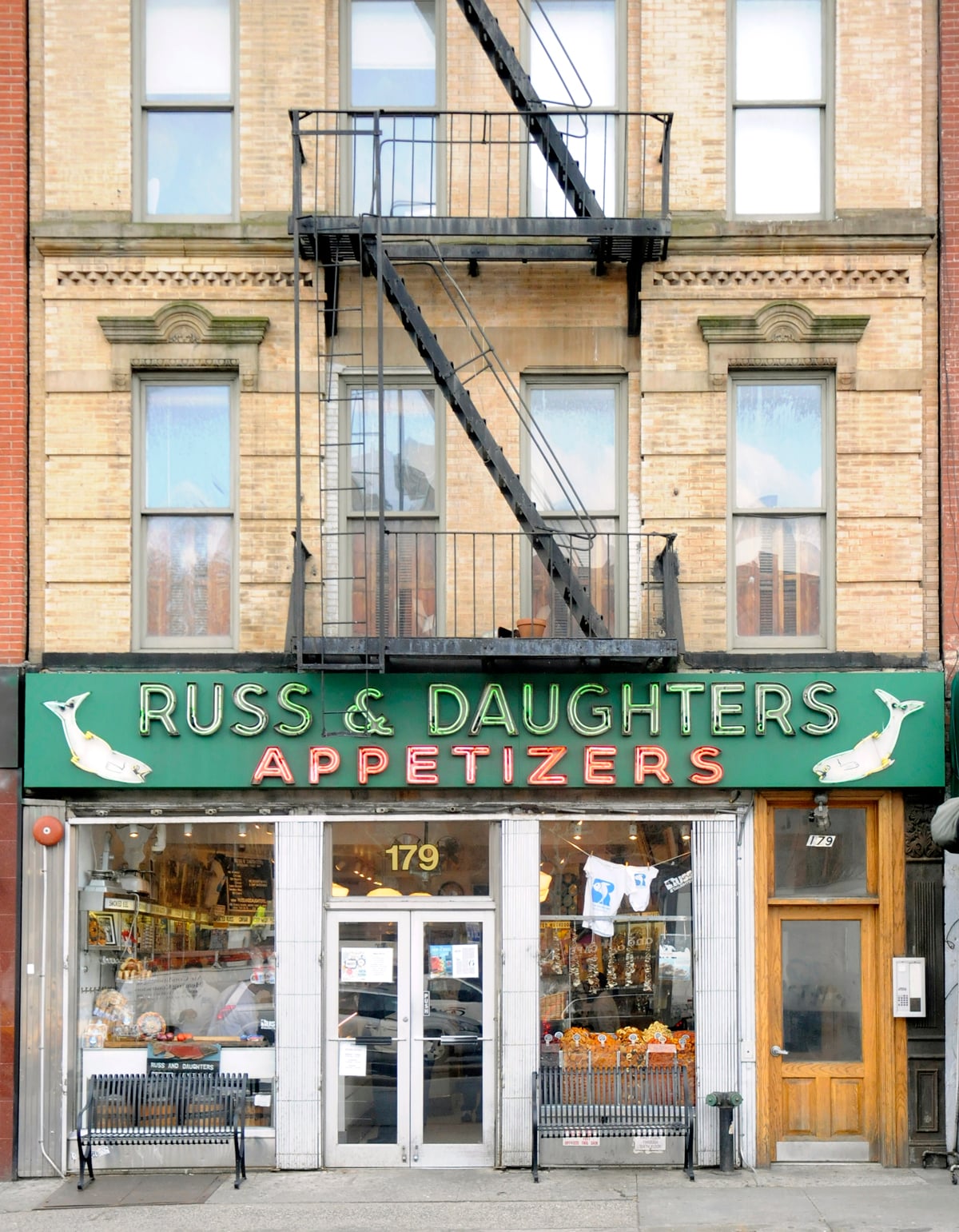
Russ & Daughters has been selling smoked fish and appetizing on the Lower East Side since 1914, and nothing about that legacy feels dusty or obligatory — the place is simply the best at what it does. The white tile interior is immaculate, the glass cases are stocked with layer upon layer of sable, nova, whitefish salad, pickled herring, and at least a dozen varieties of smoked salmon, each labeled with origin and cure method. The counter staff can answer every question you have and several you haven't thought to ask yet. Order the Super Heebster — a hand-rolled bagel with wasabi-inflected cream cheese, baked salmon, horseradish, capers, and dill — and find a spot on the long wooden bench to eat it. The tea here is proper, the rugelach are properly buttery, and the egg creams taste exactly like they should. This is a place that has survived the neighborhood changing around it by refusing to change itself in any way that matters.
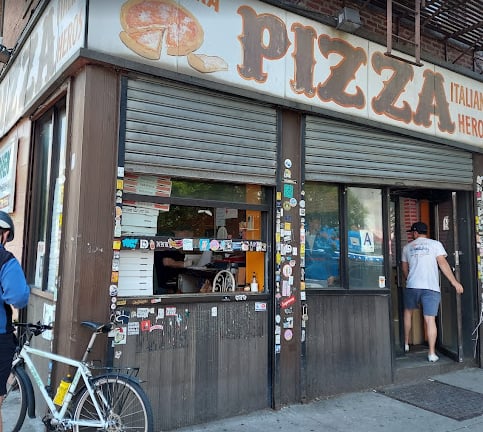
Di Fara Pizza
Di Fara Pizza in Midwood, Brooklyn, is a pilgrimage that requires patience and rewards it extravagantly. Dom DeMarco has been making pizza at this same counter since 1965, and the experience of watching him work — snipping fresh basil from a hanging bunch with small scissors, drizzling imported olive oil in slow loops, pressing down the dough with the heel of one weathered hand — is its own form of theater. The pies are square or round, the sauce is San Marzano, the mozzarella is a blend of fresh and aged, and the crust achieves that rare combination of crispness and chew that most pizza-makers never crack. The line stretches out the door on weekends and the wait can be forty minutes or more; order a slice at the counter and stand outside in the Brooklyn sunshine eating it from a paper plate, grease running down your wrist. It will be worth every minute.
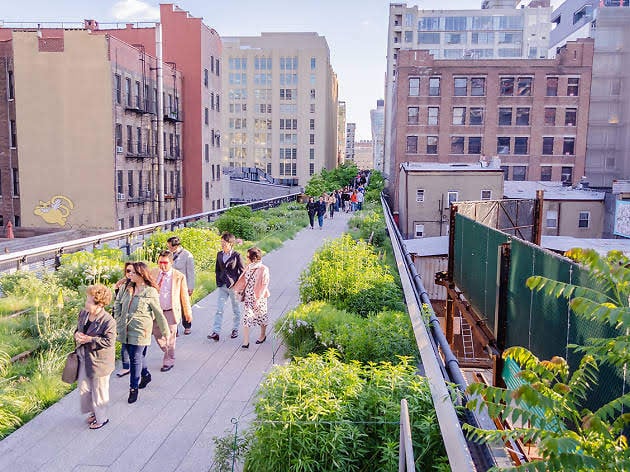
The High Line
The High Line is a mile-and-a-half of former elevated freight railway transformed into one of the most thoughtfully designed public spaces in any American city, running from the Meatpacking District north through Chelsea and Hell's Kitchen. The plantings shift with the season — wild grasses in autumn, tulips in spring, black-eyed Susans blazing in summer — and the views from the elevated track range from intimate glimpses into apartment windows to sweeping west-facing vistas over the Hudson River and New Jersey. Start at the southern entrance near Gansevoort Street in the Meatpacking District and walk north slowly, stopping at the amphitheater-style overlooks and the sun decks where locals read and nap. The stretch through Hudson Yards opens into wider sky, and the Vessel sculpture looms at the northern end. Come at golden hour on a weekday when the crowds thin and the light goes amber over the river, and the whole improbable place feels like a genuine gift.
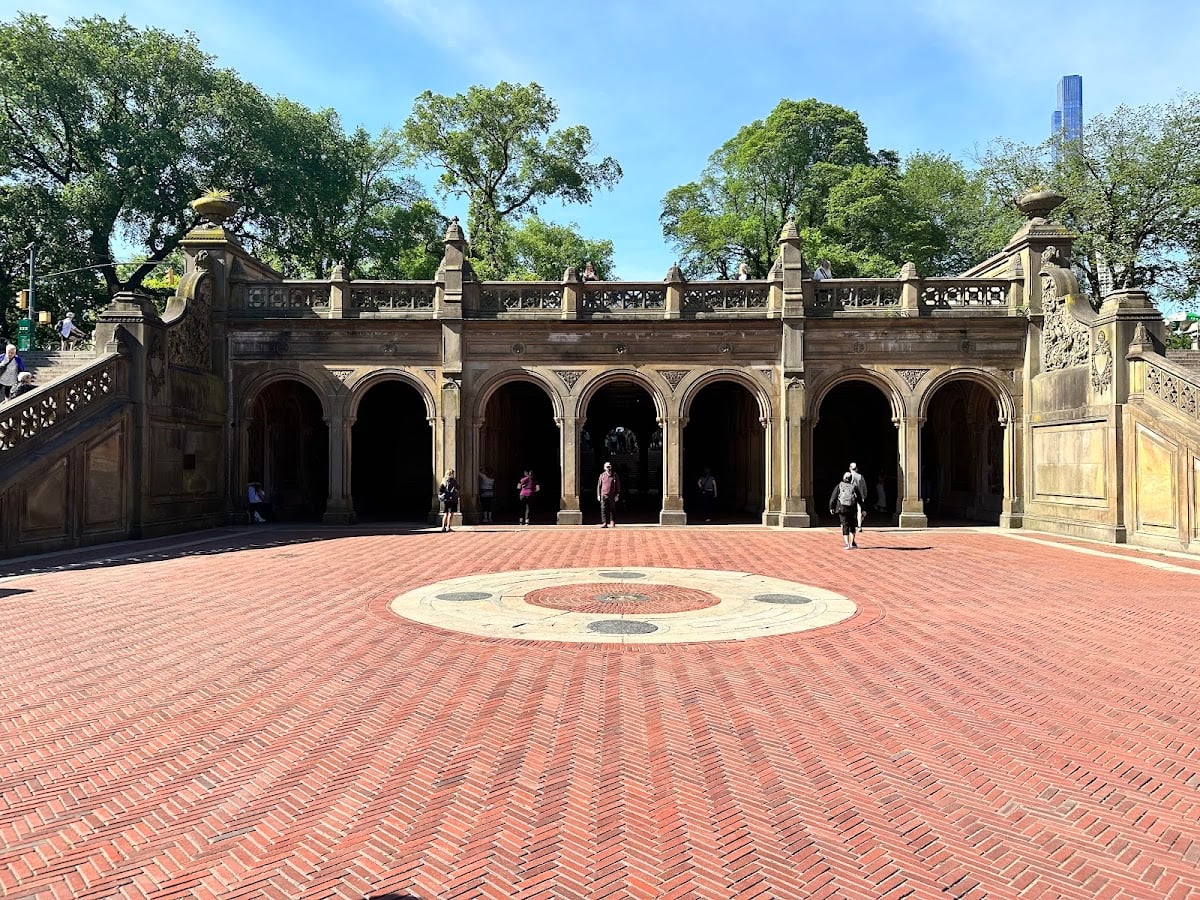
Central Park — Bethesda Fountain & Reservoir
Central Park at its best is not the tourist circus it sometimes gets labeled as — it is 843 acres of carefully engineered landscape where New Yorkers actually live their lives, and the Bethesda Fountain and Reservoir loop is where you feel that most clearly. The Bethesda Fountain sits at the heart of the park at the edge of the Lake, its Angel of the Waters statue surrounded by four cherubs representing Health, Purity, Temperance, and Peace, and on a warm morning with the fountain running it is one of the loveliest public spaces in the world. The Jacqueline Kennedy Onassis Reservoir to the north is a nearly two-mile loop of packed dirt beloved by runners, ringed with crabapple trees that explode pink in April and May. The skyline of the Upper West Side and Upper East Side frames both sides of the water, and in the early morning light the reflections are extraordinary. Pack a coffee and walk without a map.
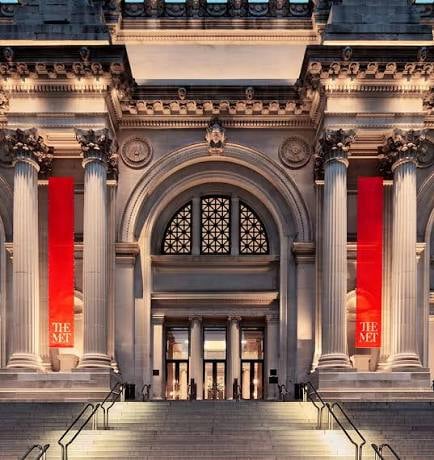
The Metropolitan Museum of Art
The Met is not a museum you see in a day — it is a museum you spend a lifetime returning to, and the trick is to stop trying to cover it and instead surrender to wandering. The Egyptian Wing with its reconstructed Temple of Dendur, transported from the Nile and reassembled in a soaring glass-ceilinged hall, is reason enough to visit; the Great Hall echoes with footsteps and organ music and the ambient hum of thousands of people in the presence of extraordinary things. The American Wing's period rooms are unexpectedly moving — entire interiors transplanted from colonial houses and Gilded Age mansions, preserved in amber. The rooftop sculpture garden (open May through October) offers unrestricted views over Central Park from above the tree line. Plan for two to three hours minimum, wear comfortable shoes, and allow yourself to sit for a long time in front of one painting instead of rushing to see all of them.
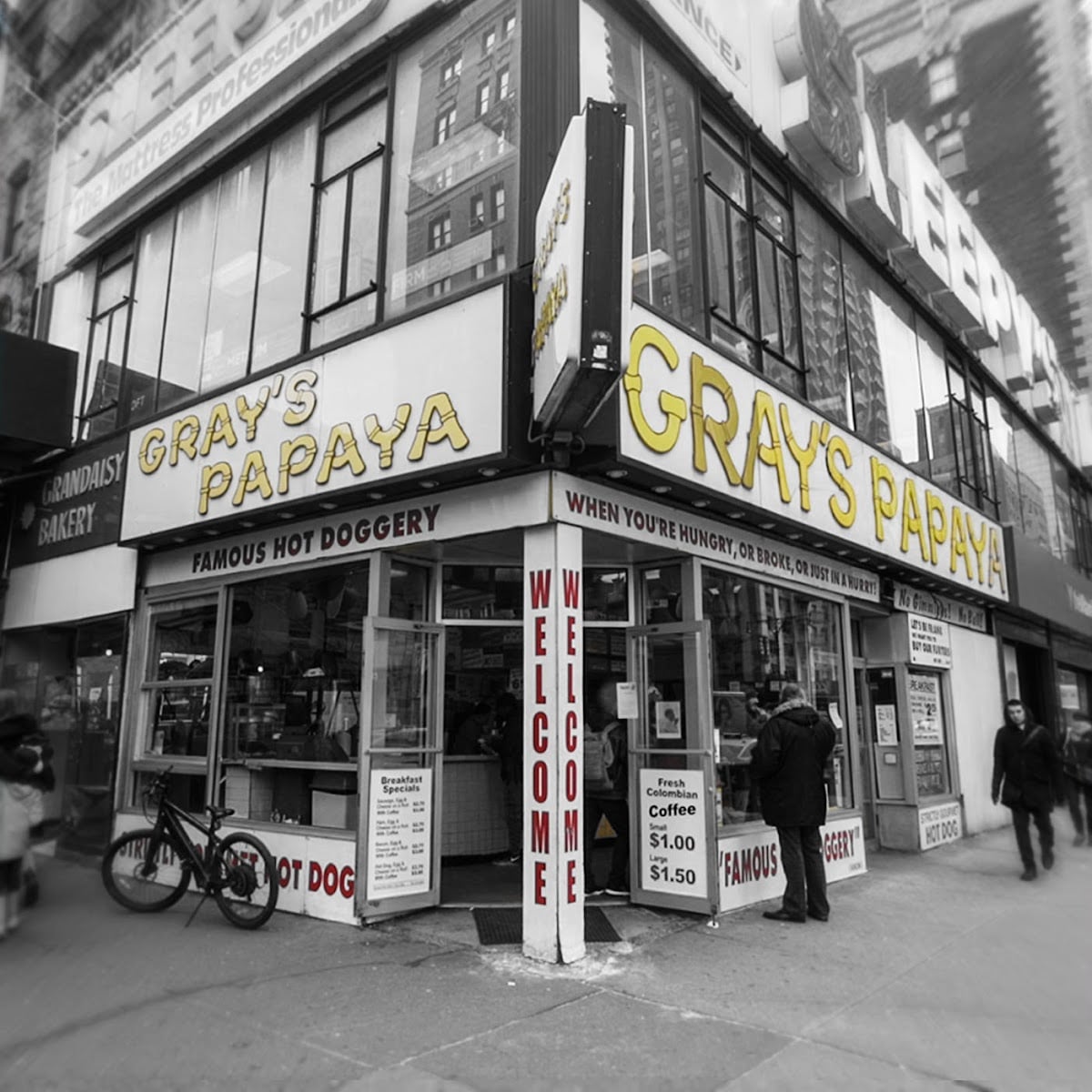
Gray's Papaya
Gray's Papaya on Broadway at 72nd Street is the closest thing New York has to a fast-food institution with genuine soul — open around the clock, unmistakably itself, and incapable of disappointing. The hot dogs are grilled on a flat-top until the casing blisters and pops, then nestled into a soft steamed bun and loaded with whatever combination of mustard, sauerkraut, and onion sauce you choose. The papaya drinks are sweetly tropical and oddly perfect alongside the savory snap of the frankfurter, and the whole transaction — order, pay, eat standing at the stainless steel counter — takes about four minutes. This is New York eating as it was before every meal became an occasion; the prices are deliberately, defiantly low, the fluorescent light is unflattering to everyone equally, and the hot dogs are genuinely excellent. Locals stop here at 2am after a concert, at 7am before the subway, and at noon because it's noon and they live nearby.
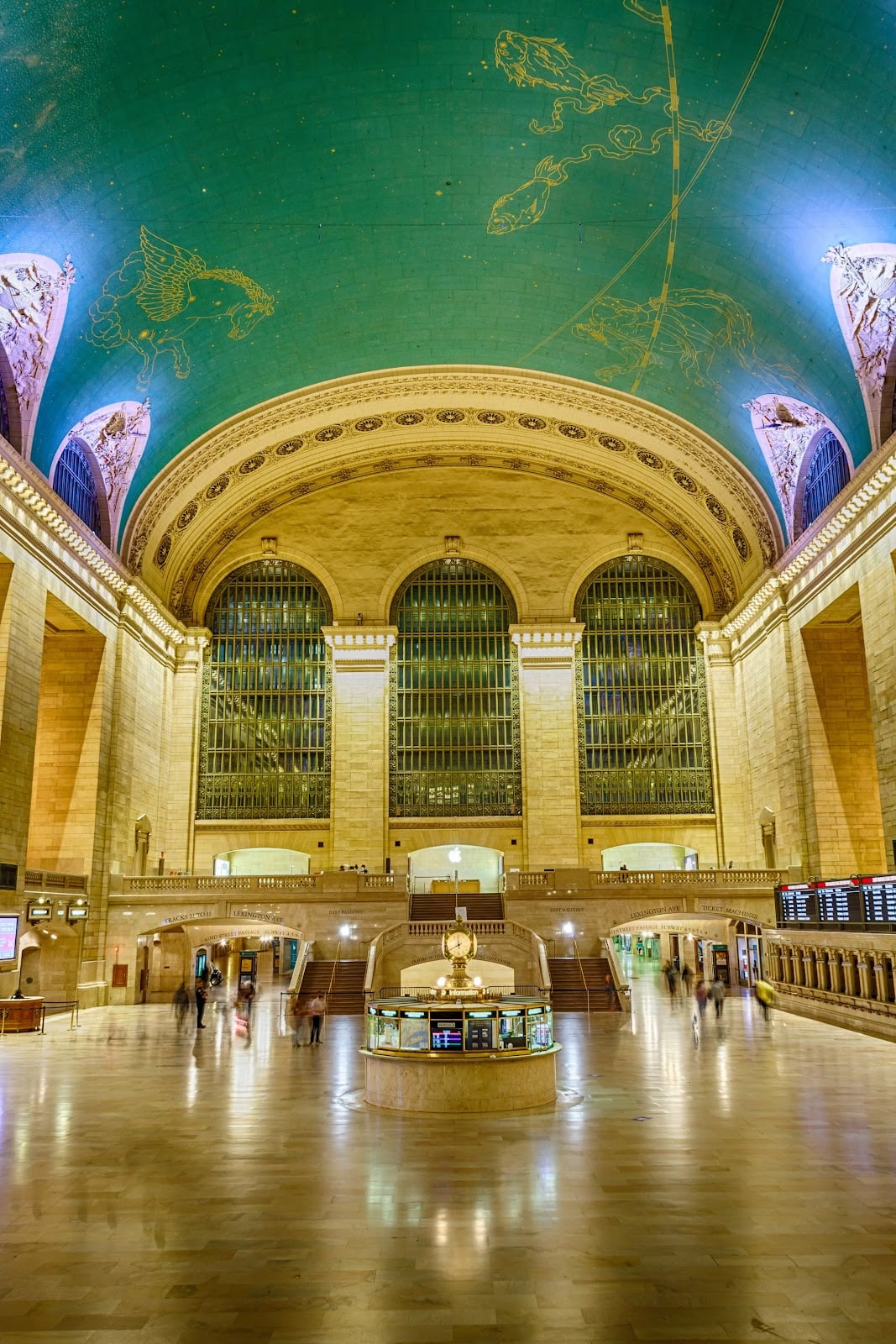
Grand Central Terminal
Grand Central Terminal is not just a train station — it is the grandest secular interior in New York City, and probably in America, and the fact that commuters pass through it without looking up twice is one of urban life's most reliable small tragedies. The Main Concourse is 275 feet long and 120 feet wide, with a ceiling painted the deep blue-green of a twilight sky and spangled with gold-leaf constellations — backwards, as the ceiling represents the sky as seen from outside the celestial sphere. The lower dining concourse is one of the best food halls in the city, with stalls offering everything from Japanese sushi to New England oysters to New York Strip and proper challah bread, all surrounded by the arched stone of the original Beaux-Arts structure. Go at rush hour to see the choreography of ten thousand commuters who know exactly where they're going; go at midday to eat oysters and watch the tourists look up.
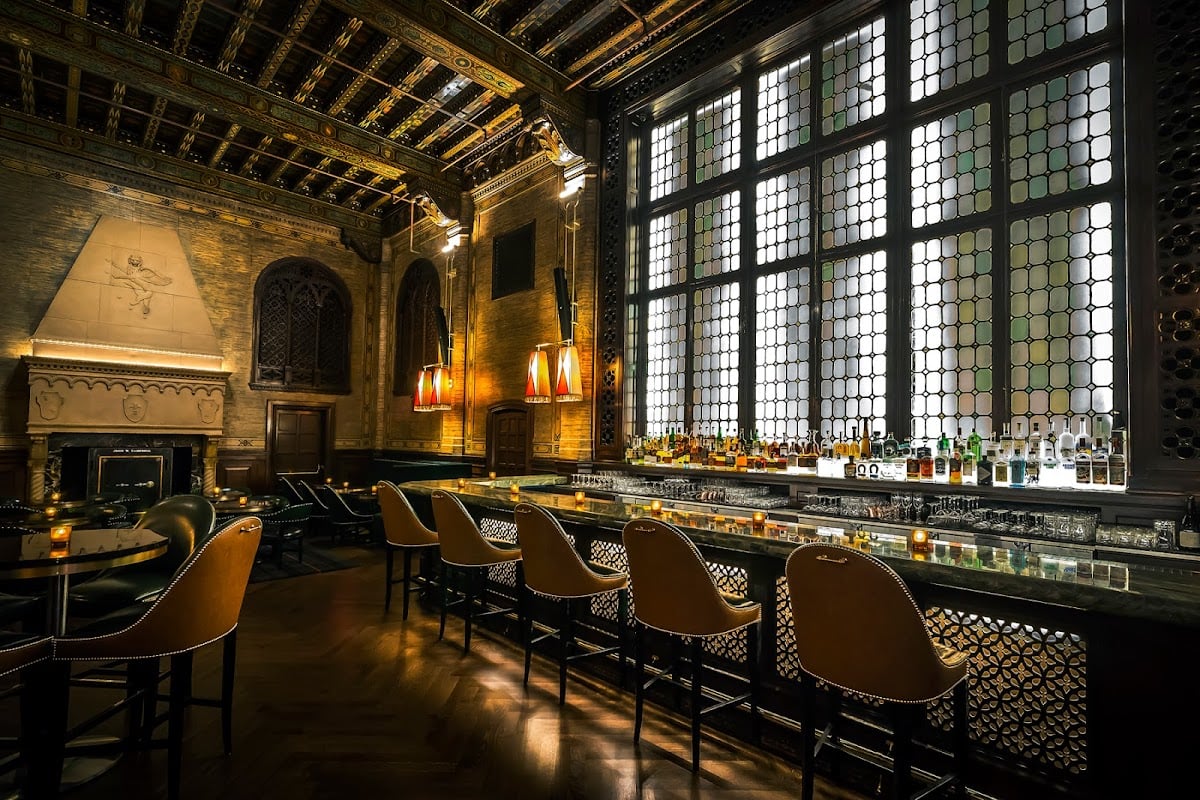
The Campbell
The Campbell is Grand Central's most improbable secret — a bar hidden inside what was once the private office of 1920s financier John W. Campbell, who commissioned a ceiling painted in the Florentine style, a massive fireplace, and leaded windows that look out over the commuter bustle below. The restoration has been meticulous; the coffered ceiling, the Persian rugs, the dark wood paneling all feel correct rather than theme-park. The cocktail list leans into the Prohibition-era aesthetic with properly made Manhattans, Sidecar variations, and an excellent house gin cocktail that changes seasonally. It is busy after work and quieter at midday, and the experience of drinking something well-made in a beautiful room above one of the world's great transit halls is genuinely luxurious — and not as expensive as you might expect. Order the bar nuts. Look up at the ceiling. Stay longer than you planned.
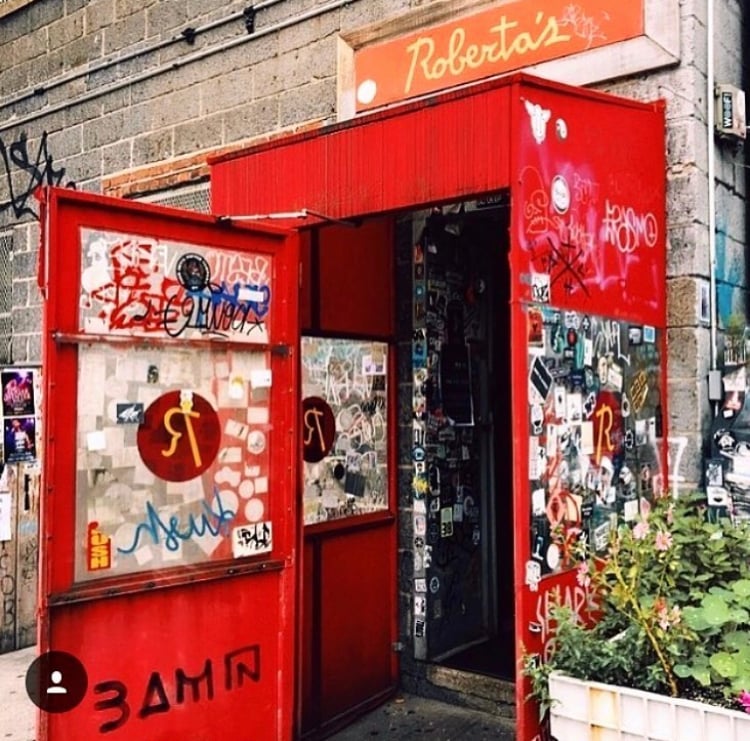
Roberta's Pizza
Roberta's arrived in Bushwick in 2008 when the neighborhood was still mostly warehouses and auto body shops, and the restaurant helped pivot the whole area — but it has somehow remained great despite the fame, the TV specials, and the long lines. The space is deliberately rough: shipping containers, a patio strung with bare bulbs, picnic tables, and a wood-burning oven that the kitchen team tends with the intensity of medieval blacksmiths. The pizza dough is fermented for days and has a complexity that store-bought or even most restaurant doughs never approach — lightly charred, puffy at the cornicione, chewy in the center. The Bee Sting (tomato, mozzarella, soppressata, chili, honey) is the signature and fully earns its reputation. The wait on weekends is real — put your name in, get a drink from the outdoor bar, and surrender to the Brooklyn pace of things.
DUMBO + Brooklyn Bridge Park
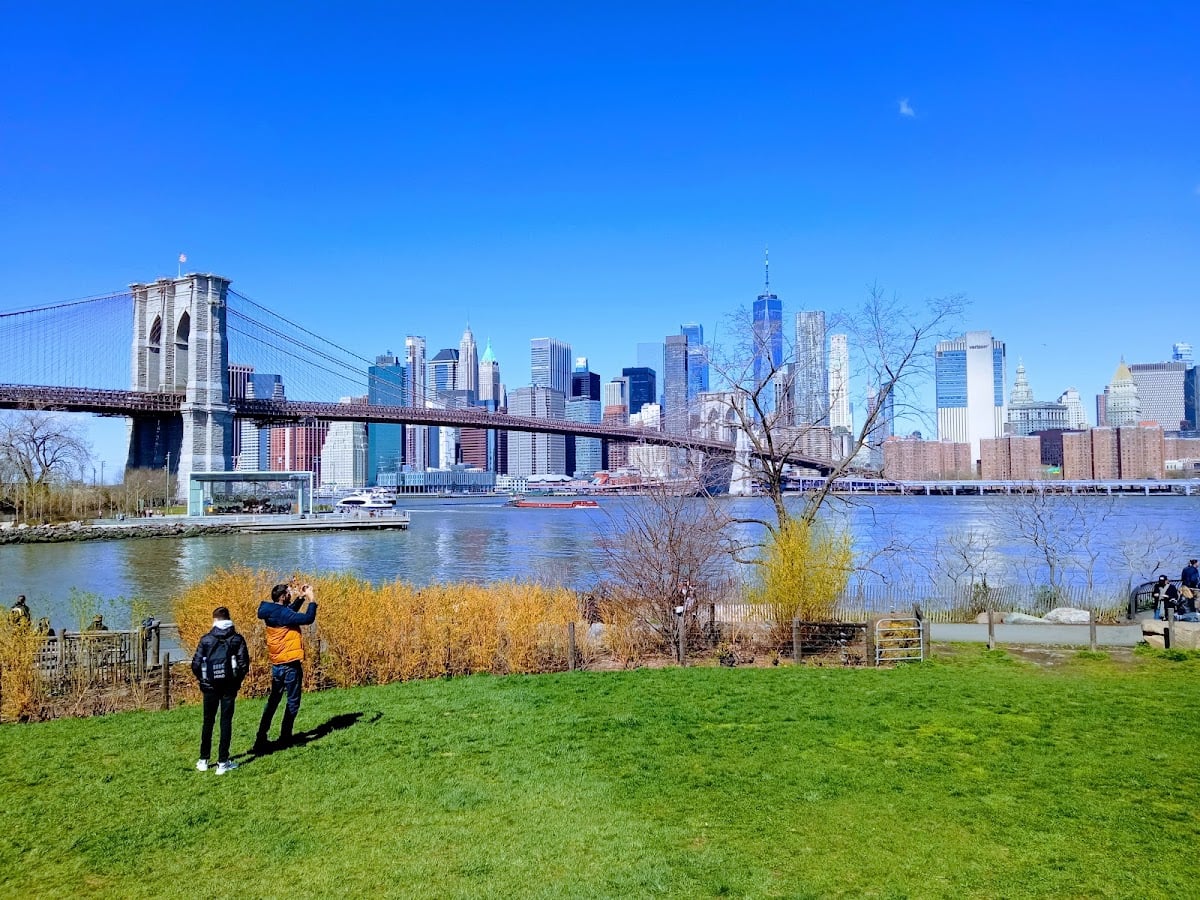
DUMBO — Down Under the Manhattan Bridge Overpass — is the neighborhood that exists in the compressed space between two of Brooklyn's great bridges, and it rewards wandering on foot at almost any time of day. The cobblestone streets under the Manhattan Bridge are where photographers queue up for the classic shot: the bridge framing the Empire State Building in a perfect corridor of stone and steel. Brooklyn Bridge Park below is one of the finest new public spaces in the city — eleven acres of reclaimed waterfront with sweeping views of lower Manhattan, lawns that fill with families on weekends, a restored 1920s carousel housed in a glass pavilion, and kayak launches for those who want to get on the water. The ice cream at the Brooklyn Ice Cream Factory nearby is straightforwardly excellent. Sit on the granite steps at Pier 1 at sunset and watch Manhattan go gold across the water.
Peter Luger Steakhouse
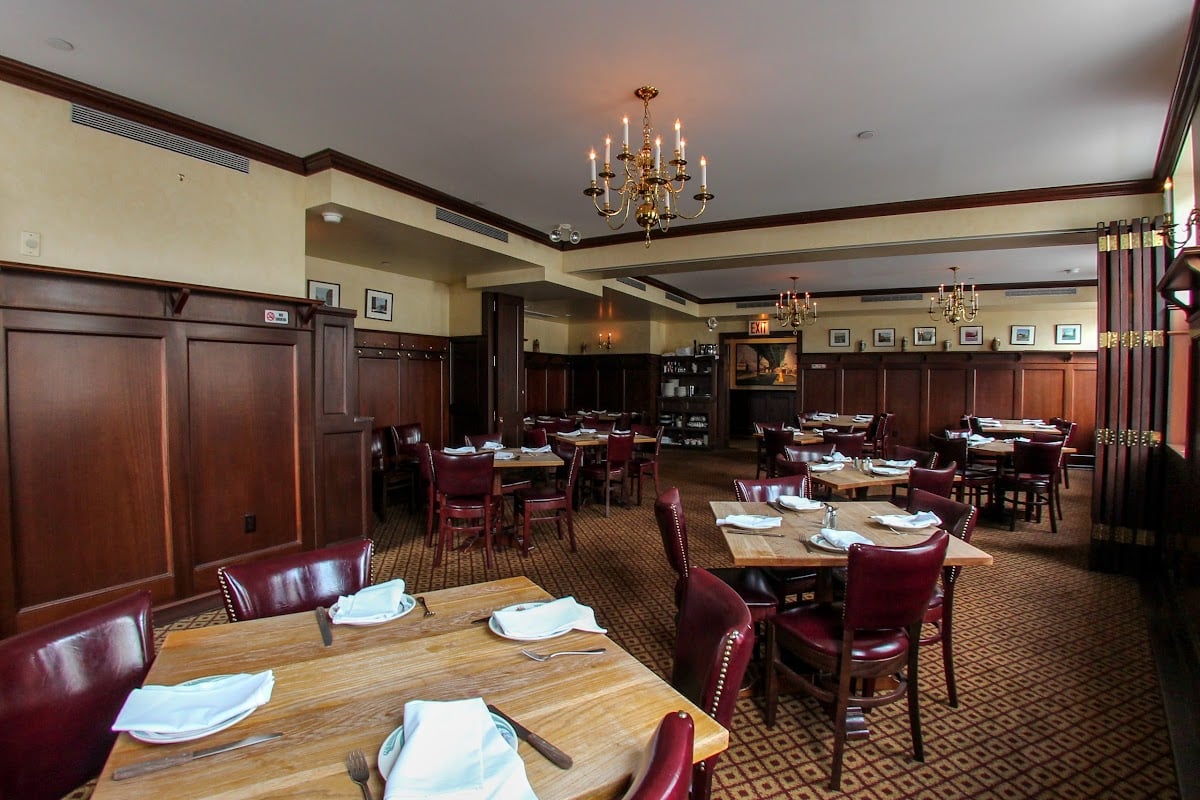
Peter Luger has been serving the same steak in the same Williamsburg dining room since 1887, and the experience is as much about the accumulated weight of that history as it is about the beef — though the beef is extraordinary. The room is all dark wood, brass chandeliers, and the noise of a hundred conversations conducted at a volume appropriate for a place where people come to celebrate. There is essentially one thing to order: the porterhouse, which arrives pre-sliced on a sizzling metal platter swimming in its own rendered fat and butter, perfectly charred outside and red in the middle. The German fried potatoes are crisp and essential; the creamed spinach is correct; the sliced tomatoes with Luger sauce are inexplicably good. Reservations are required weeks in advance, cash is strongly preferred, and the servers have been doing this since before most diners were born. This is not the place for dietary flexibility — it is the place for steak.
St. Marks Place — East Village Walk
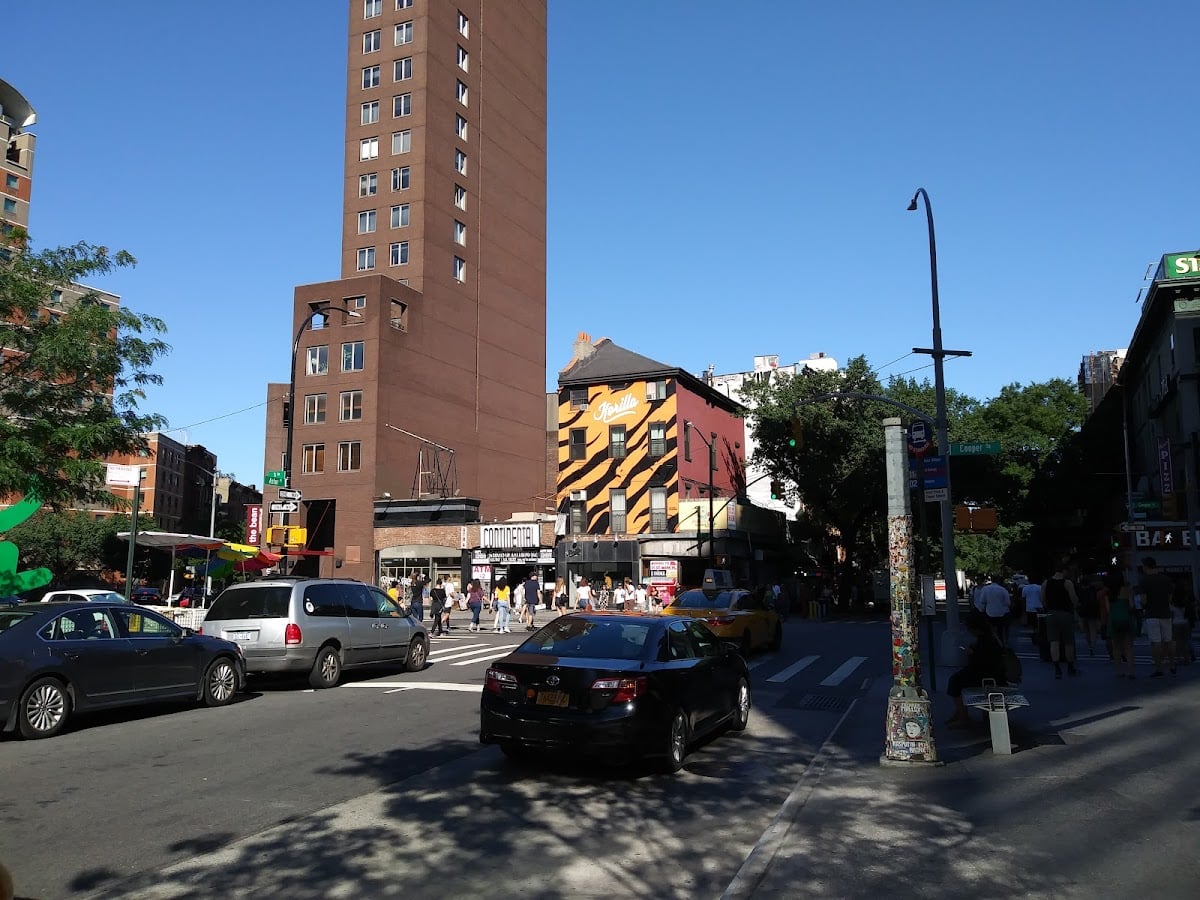
St. Marks Place — technically East 8th Street between Third Avenue and Avenue A — has been the pulse of New York's counterculture in every decade since the 1960s, cycling through beatnik, punk, goth, hip-hop, and now something harder to name but still unmistakably electric. The block is lined with record shops, tattoo parlors, ramen restaurants, vintage clothing stores, and bars that open at noon and stay open until 4am, all competing for your attention in a continuous, cheerful riot of neon and noise. The East Village around it — Tompkins Square Park to the east, the streets south of St. Marks lined with historic rowhouses — is one of the best walking neighborhoods in Manhattan. Stop into Trash and Vaudeville if it's open, browse the record bins at Gimme Records, eat a pierogi at Veselka two blocks north, and keep walking east toward the alphabet avenues where the vibe gets quieter and more residential.
Veniero's Pasticceria
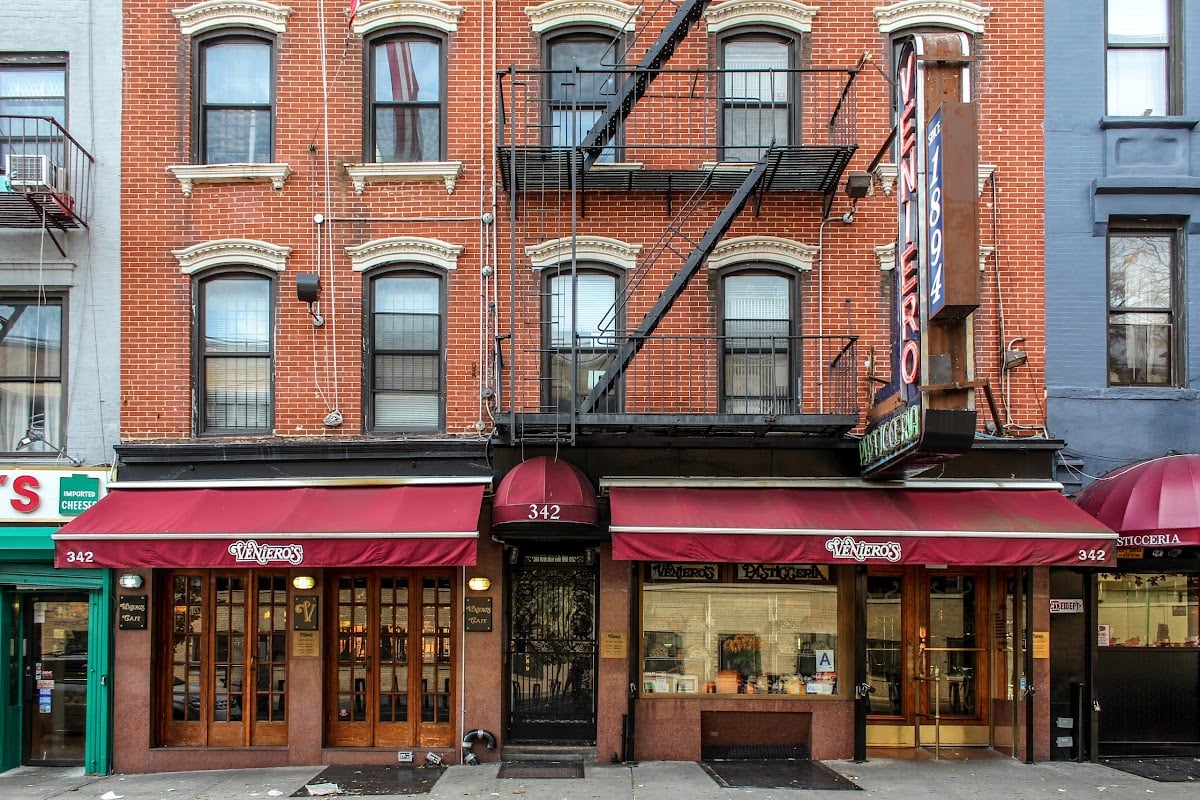
Veniero's has been baking on East 11th Street since 1894, and the pastry case is still among the most impressive in New York — tiered glass shelves stacked with ricotta cheesecake, cannoli filled to order, sfogliatelle with their shatteringly flaky pastry shells, rum-soaked baba, and at least a dozen varieties of cookie. The interior has the kind of worn grandeur that can only be accumulated — pressed tin ceilings, worn mosaic floors, photographs of the neighborhood from decades before any of the current regulars were born. The ricotta cheesecake is denser and less sweet than the New York-style cream cheese version, with a subtle orange-zest note and a pastry crust that holds together under the fork. Order a coffee at the counter and a slice of whatever looks most abundant and take a stool by the window. There is no better mid-afternoon stop in the East Village, and there probably never will be.
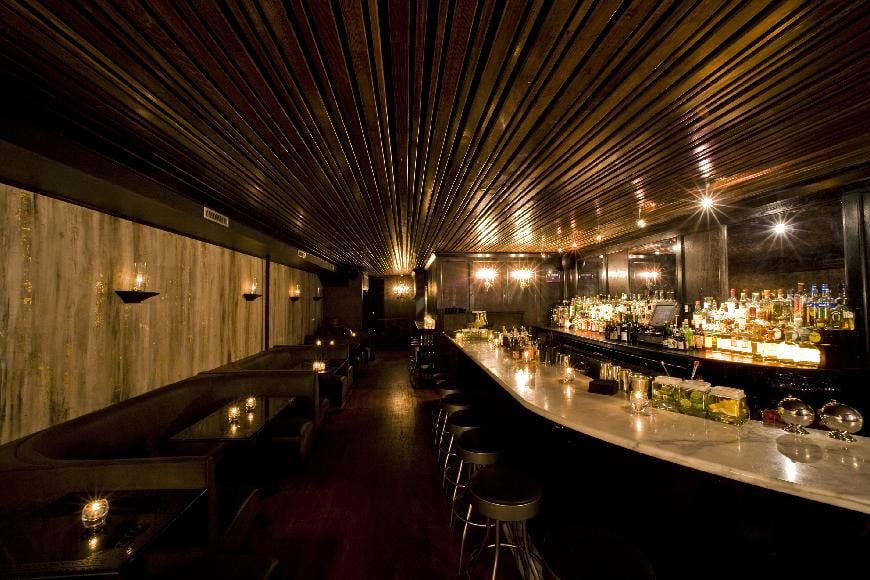
Death & Co
Death & Co on East 6th Street essentially invented the template for the serious craft cocktail bar — the intimate low-lit room, the bartenders who treat their work as scholarship, the menu organized by spirit and flavor profile rather than occasion. It opened in 2006 and has earned every word that has been written about it since, because the drinks are reliably excellent and the bar team genuinely wants you to find something you love. The menu is seasonal and extensive; if you're overwhelmed, tell the bartender what spirits you enjoy and what you're in the mood for and let them do the rest. The atmosphere is warm rather than precious — people are here to drink well and talk, not to be seen. The back room opens up on busy nights, but the bar stools facing the service well are the best seats. Reserve a spot on their website; walk-ins are accepted but the wait can be long.
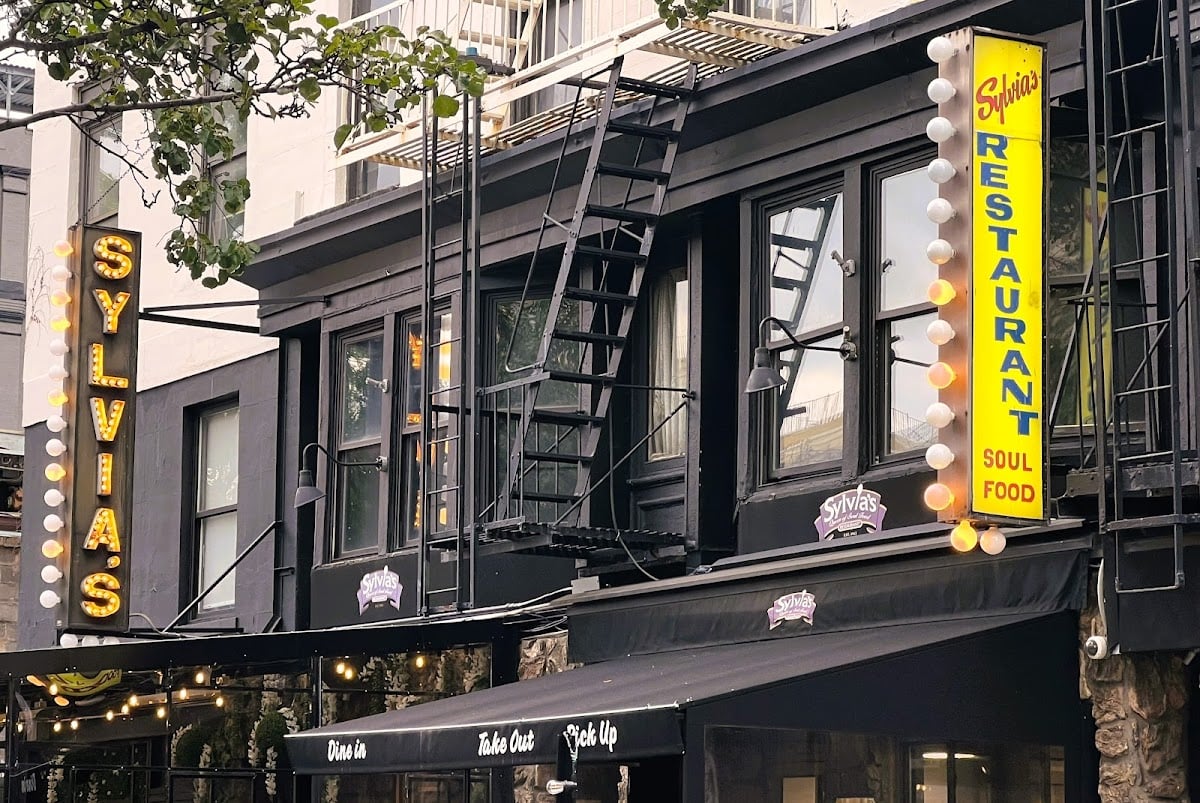
Sylvia's Restaurant
Sylvia's has anchored the corner of Malcolm X Boulevard and 126th Street since 1962, and the restaurant remains one of the defining culinary institutions of Harlem — a place where gospel brunch on Sunday brings the neighborhood together with platters of fried chicken, candied yams, collard greens slow-cooked with smoked turkey, black-eyed peas, and cornbread that comes out of the oven hot and golden. Sylvia Woods opened the place with $1,000 borrowed from her mother and built it into something that has outlasted every trend in American dining. The dining room is large and festive, and the noise level at brunch is cheerfully overwhelming. The fried chicken is done in the Southern style — seasoned deeply, fried in cast iron — and the smothered pork chops in onion gravy deserve their own separate trip. Come hungry, wear something comfortable, and plan to stay through at least two rounds of sweet tea.
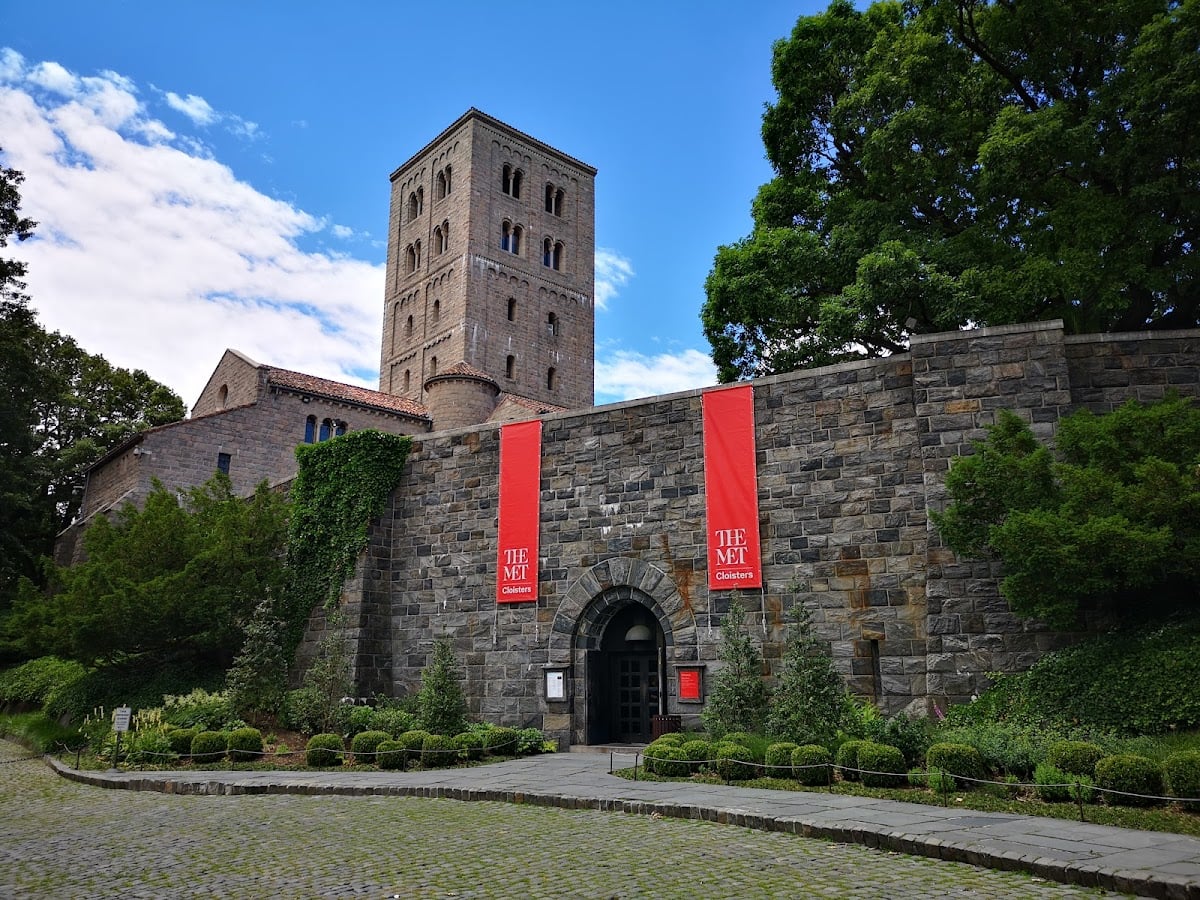
The Cloisters
The Cloisters is the Metropolitan Museum's branch dedicated to medieval European art, housed in a building constructed from the actual stones of five different French monasteries disassembled and shipped to New York in the 1930s — which is an act of cultural acquisition so audacious it circles back around to being impressive. It sits at the northern tip of Manhattan in Fort Tryon Park, overlooking the Hudson River and the Palisades of New Jersey, and the approach through the park alone is worth the trip. Inside, Romanesque chapels and Gothic hall churches contain tapestries, illuminated manuscripts, carved ivory, and the famous Unicorn Tapestries — seven panels woven in the late 1400s that remain among the most mysterious and beautiful objects in any American collection. The garden courtyards are planted with medieval herbs and open to the sky, and on a spring afternoon with the apple trees in bloom and the river visible through the arched windows, the whole place feels like a dream.
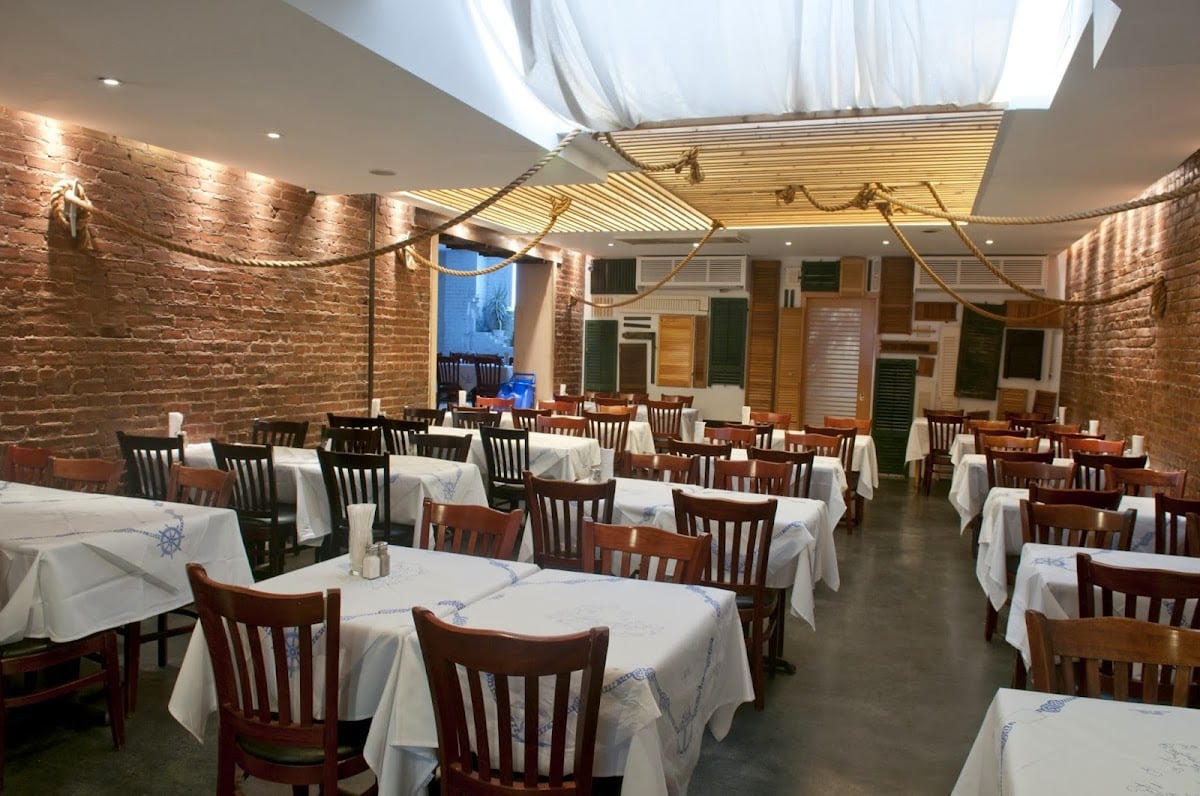
Bahari Estiatorio — Astoria, Queens
Astoria in Queens has the largest Greek-American community outside of Greece itself, and Bahari Estiatorio on 31st Street is where that community eats when they want to eat well — which is to say, it is not a tourist restaurant with blue-painted walls and postcard views of Santorini, but a real Greek taverna serving the food that Greek families actually cook. The menu is seafood-driven, with whole grilled fish priced by the pound and flown in from the Aegean several times a week; the branzino arrives simply on a plate with olive oil, lemon, and capers, and it needs nothing else. The spreads — taramasalata, tzatziki, melitzanosalata — are made in-house and come with warm pita still crackling from the oven. The grilled octopus has been marinated in red wine vinegar and charred over high heat until the tentacles are tender and faintly smoky. Order a carafe of house white and a plate of saganaki and watch the neighborhood come in for dinner.
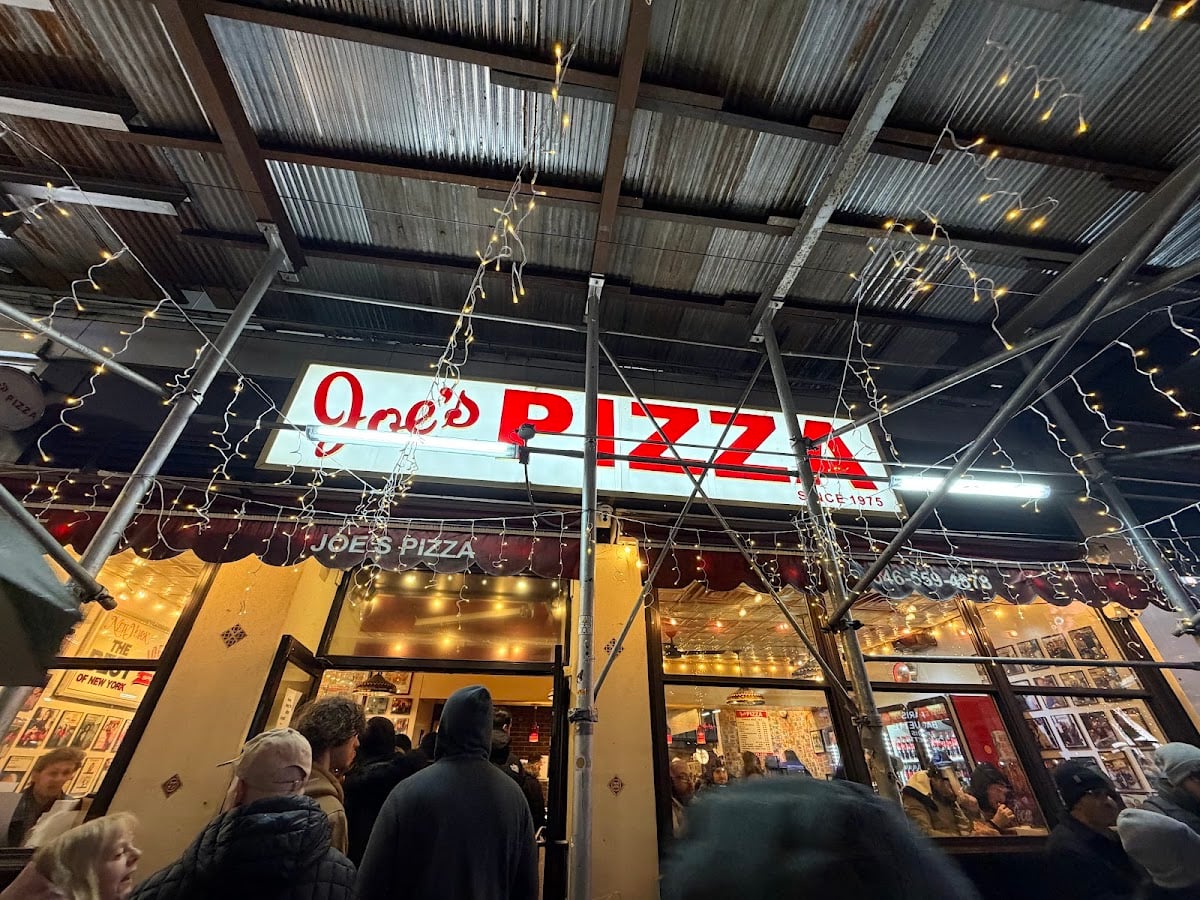
Joe's Pizza
Joe's Pizza on Carmine Street in Greenwich Village is the platonic ideal of the New York slice — a foldable triangle of thin crust with a satisfying snap to the undercarriage, topped with a tomato sauce that is bright and slightly sweet without veering into ketchup territory, and covered in a layer of fresh mozzarella that pulls cleanly and doesn't pool its water. The shop is tiny and perpetually busy at every hour; the fluorescent light is merciless, the counter staff work at speed, and the transaction from order to slice-in-hand takes under two minutes. There are no tables inside, only a narrow shelf along the window. The price is what it should be — just north of three dollars — and the pizza is what it should be: straightforwardly excellent in exactly the way that takes decades to perfect. Come at midnight on a Friday when the Village is alive and the line is short and the pizza comes out of the oven fresh, and you will understand why New York has been fighting about pizza for a hundred years.
Abre o Google Maps com todos os 20 locais marcados
Receba novos guias na sua caixa de entrada
Subscreva a newsletter da Mapita e receba guias de cidades selecionados assim que forem publicados. Sem spam, só bons sítios.
Subscrever — é gratuitoPerguntas Frequentes
Como abro este guia no Google Maps? ▾
Toque no botão "Abrir no Google Maps" e todos os 20 locais aparecerão como marcadores no Google Maps. Pode guardar a lista na sua conta para acesso offline.
Posso usar este guia offline? ▾
Sim! Depois de guardar a lista do Google Maps na sua conta, os locais ficam disponíveis mesmo sem internet. Descarregue a área do mapa offline no Google Maps antes da viagem.
Com que frequência este guia é atualizado? ▾
Este guia foi atualizado pela última vez a 11 de abril de 2026. Revemos e atualizamos regularmente os nossos guias para garantir que todos os locais continuam abertos e vale a pena visitar.
Abrir no Google Maps
Obtenha todos os 20 locais deste guia diretamente no Google Maps.
Ver 20 locais no MapsAbre o Google Maps com todos os 20 locais marcados
Receba novos guias na sua caixa de entrada
Guias de cidades selecionados enviados assim que são publicados. Gratuito para sempre.